Pape Gueye's Shocking Decision After Senegal's World Cup Exit
Senegal’s World Cup exit was brutal enough. What followed has ripped open something far deeper.
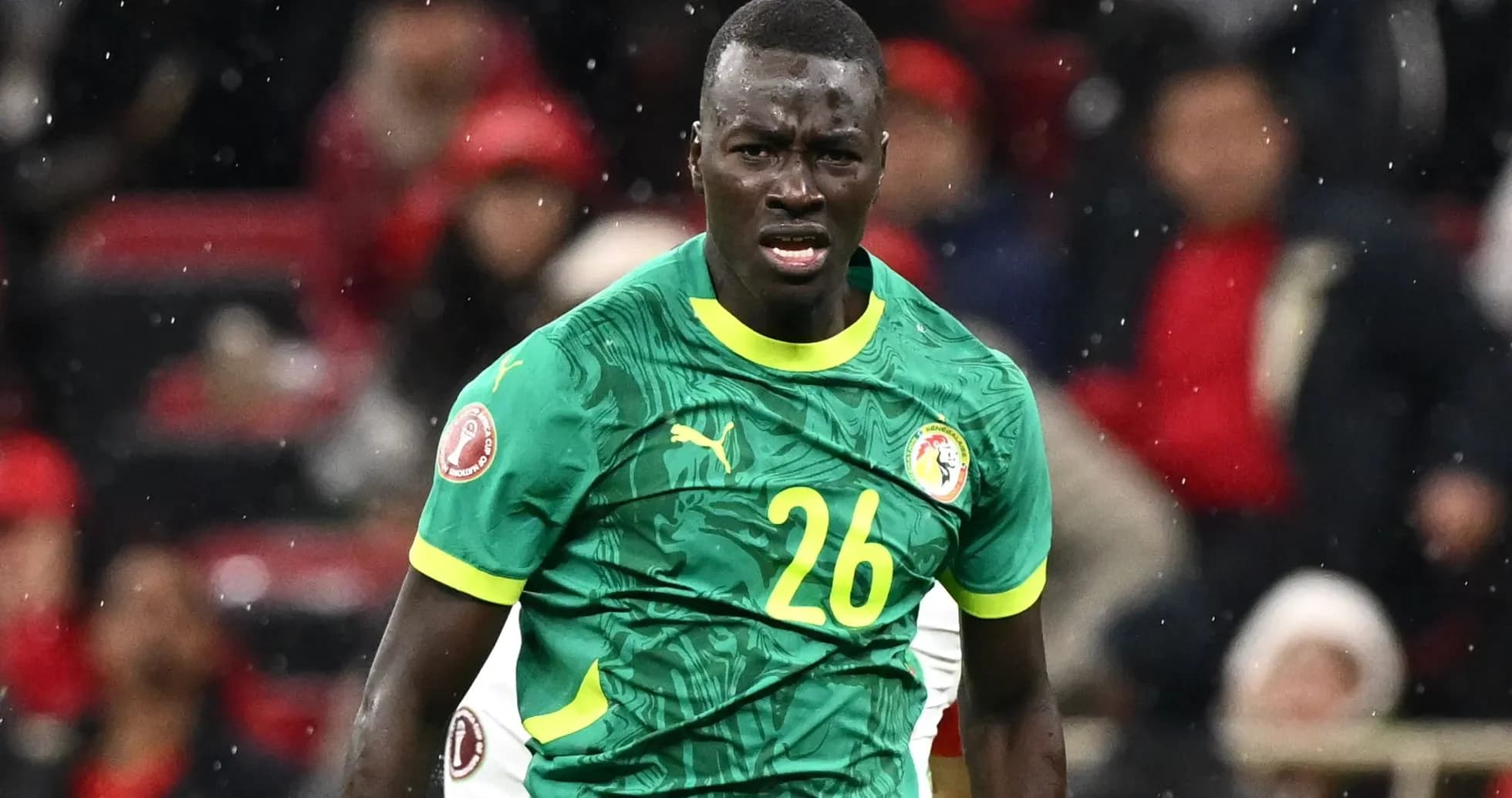
Hours after a 3-2 extra‑time collapse against Belgium, midfielder Pape Gueye announced he will no longer play for Senegal as long as the current coaching staff remains in charge. No press conference, no carefully worded statement. Just a stark message on Instagram, delivered while emotions were still raw.
“I’ll be back to give you a few words regarding elimination... but I announce today that as long as it's this technical staff I’ll take a break from the selection,” he wrote on his story.
In one line, a key figure of this campaign turned a sporting failure into a full-blown national crisis.
From Cruise Control to Collapse
For more than an hour, Senegal looked like a team with one foot in the Round of 16 and both hands on a statement win.
Habib Diarra struck first, Ismaila Sarr added a second, and the Lions of Teranga appeared to be managing the occasion with authority. The path seemed clear: finish the job, book a showdown with the USA, carry the momentum of a confident group stage into the knockouts.
Then came the 64th minute.
Gueye, central to Senegal’s control in midfield, made way for Lamine Camara. On paper, a like-for-like change. On the pitch, the temperature of the game shifted.
Belgium sensed it. Senegal retreated a yard. Then another.
The pressure finally told in the final ten minutes of normal time. Romelu Lukaku struck, Youri Tielemans followed, and a 2-0 lead evaporated under the weight of Belgian belief and Senegalese anxiety. What had looked like a controlled passage into the last 16 turned into a desperate scramble for survival.
Extra time brought no relief. In the 125th minute, VAR intervened, a penalty was awarded, and Tielemans completed the turnaround from the spot. A 2-0 lead had become a 3-2 defeat, and with it, Senegal’s World Cup dream disintegrated.
Thiaw Under Fire
As soon as the final whistle blew, one question dominated: why did Pape Thiaw change a game he was winning?
The head coach faced an immediate storm over his substitutions, with Gueye’s withdrawal and the removal of other key players under the microscope. In the eyes of many supporters, the turning point was clear. Thiaw saw it differently.
“They were tired and couldn’t continue. Leaving them on the field would have been unprofessional on our part. We had to replace them, like for like,” he explained afterward.
“Of course, when you lose a match after leading 2-0, people inevitably talk about the substitutes. But you can't reduce everything to that. These changes were primarily dictated by fatigue, more than by tactical considerations.”
It was a defence rooted in player welfare, but it did little to calm the anger outside the dressing room. Gueye’s explosive social media post poured fuel on that fire, turning a debate over game management into an open challenge to the authority of the entire staff.
A Team Already on the Edge
This is not an isolated flashpoint. It lands on a fault line that has been widening for months.
Thiaw was already a divisive figure after the Africa Cup of Nations final against Morocco, when he ordered his players off the pitch in protest at a refereeing decision. Senegal went back out, won the match on the field, and celebrated what they thought was a continental title.
CAF later overturned the result, awarding the victory and the trophy to Morocco. The images of jubilation turned hollow overnight. The sense of injustice never really left.
Now, after the Belgium defeat, that old controversy feels less like an anomaly and more like part of a pattern: a national team constantly walking the edge between emotion and implosion.
“We just lost a match that was really important to us,” a visibly dejected Thiaw said after the World Cup exit. “We wanted to qualify for the Senegalese people, we thought we deserved it, but unfortunately, we are eliminated. I am sad, the players are sad too, because they really wanted this qualification.”
His words spoke to heartbreak. Gueye’s spoke to rupture.
A Break, or the Beginning of the End?
Gueye has not called it a retirement. He has called it a “break” from the national team, conditional on one thing: the departure of the current technical staff.
That distinction matters. It leaves the door open to a return, but only if there is change at the top. For a squad built around a core of strong personalities, the implications are huge. Can Senegal move forward with a key player effectively in open opposition to the coach? Can Thiaw ride out this storm with his authority intact?
The World Cup exit hurt. The real damage, though, may lie in what comes next for a team now forced to decide who they stand with: the coach on the touchline, or the midfielder who just walked away.