Paolo Maldini Resigns as Italy's Technical Director
Paolo Maldini walked into the job and straight into a wall.
Two weeks after being unveiled as Italy’s new technical director, the former Azzurri and Milan icon has resigned, along with his advisor Leonardo, after a bitter clash with Italian Olympic Committee president Giovanni Malagò and the FIGC over the choice of the next national team coach.
This wasn’t a slow breakdown. It was a head‑on collision over power, autonomy and the future of the panchina azzurra.
A Bench Without an Agreement
Maldini and Leonardo arrived with a clear idea: if Andrea Pirlo could not be appointed, then at least the FIGC should trust them to identify an alternative. Instead, every road they tried to open was blocked.
Their first major battle came over Pirlo himself. Maldini and Leonardo pushed for the former midfielder, only to see Malagò and the federation slam the door, wary of the political fallout surrounding Pirlo’s role as a brand ambassador for a Russian betting company. The rejection went beyond a simple technical judgement; it cut into the authority Maldini believed he had been given.
Once Pirlo was ruled out, the rift deepened.
According to multiple reports, Maldini and Leonardo then turned to Thiago Motta, fresh from his impressive work at Juventus and Bologna. Motta, younger and tactically progressive, fit their vision of a long‑term project. Malagò again said no.
At that point, the FIGC leadership tried to steer the process in a very different direction.
Conte, Mancini and a Question of Trust
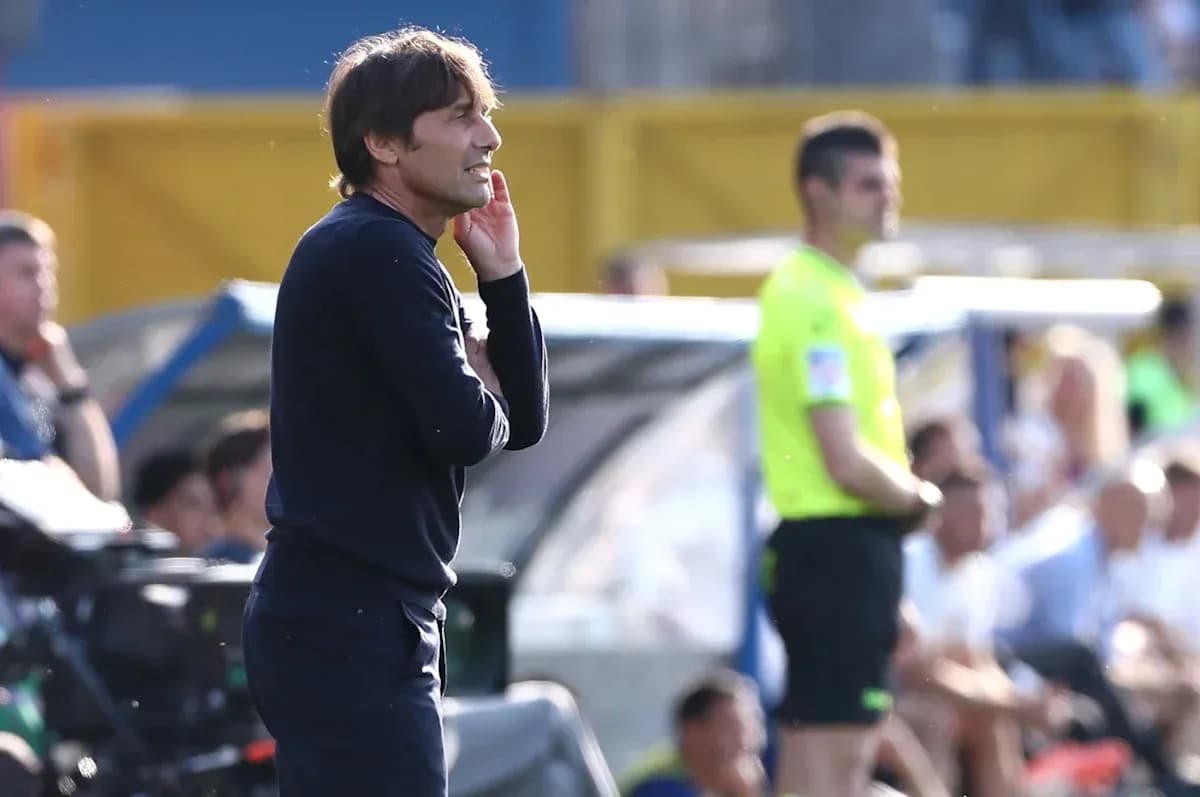
During a final meeting on Monday, Malagò urged Maldini and Leonardo to abandon the Pirlo idea and instead consider two heavyweight names: Antonio Conte and Roberto Mancini.
On paper, both are proven winners. On Maldini’s terms, neither was acceptable.
Maldini and Leonardo argued that Mancini raised the same concerns as Pirlo – not in terms of politics, but trust and continuity. Mancini had resigned in the middle of the Euro 2024 qualifying campaign in 2023, walking away from Italy to take over Saudi Arabia just weeks later. Handing him the reins again, they felt, would send a dangerous message and reopen old wounds inside Coverciano.
Conte, meanwhile, posed a different risk. His track record of intense, short cycles – typically two‑year stints before moving on – clashed with the federation’s need for stability ahead of the 2030 World Cup, still four years away. For Maldini and Leonardo, betting on Conte meant building a long‑term plan on a short‑term foundation.
They wanted a coach who would grow with the project. The FIGC wanted a name who could calm the storm.
The gap proved impossible to bridge.
Autonomy Broken, Project Over
By Monday, the situation was no longer just about names on a shortlist. It was about who truly controlled the sporting direction of the national team.
Maldini and Leonardo viewed the repeated vetoes – Pirlo blocked for political reasons, Motta turned down despite their backing, pressure applied for Conte and Mancini – as a direct challenge to their independence. If every key decision required political approval, their roles risked becoming ceremonial.
So they walked.
Their resignations, tendered just a fortnight into Maldini’s tenure, leave Italy searching for a new coach without the very men brought in to shape that decision. Malagò is expected to confirm the next Azzurri boss as the FIGC Council meets at 12:00 CET (11:00 GMT), but the appointment will now arrive in a very different context: with Maldini and Leonardo on the outside, and the balance of power at Coverciano laid bare.
The identity of the new CT will dominate the headlines. The bigger question lingers behind it: in the race to the 2030 World Cup, who is really steering Italy’s future?