Oktagon Challenges Dana White’s Stadium Myth, Proves MMA’s True Potential
Dana White has been clear about his dislike for stadium shows, insisting that the UFC will never hold events in such open-air venues. He argues that arenas offer a better atmosphere because fans can generate more noise enclosed in a smaller space. Yet, a European promotion has just shown otherwise.
Oktagon’s Growing Influence in Europe
Operating mainly across Germany, Slovakia, and the Czech Republic, Oktagon is a regional player compared to the global UFC giant. Still, it has managed to outshine Dana White’s skepticism twice in recent years.
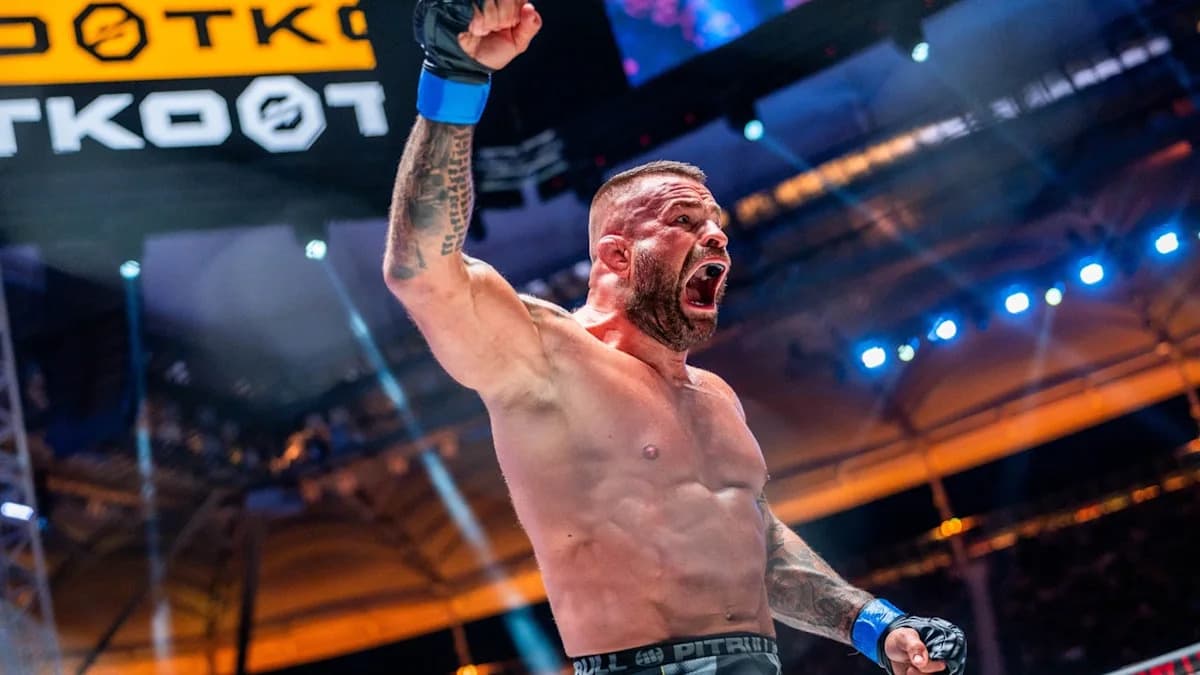
Back in October 2024, Oktagon set a new attendance record for MMA outside of some early 2000s Pride events in Japan by drawing nearly 60,000 fans to Deutsche Bank Park, home to Eintracht Frankfurt football club. Two years later, they returned with Oktagon 94, aiming to top that feat with an even bigger show.
The Trade-Off: Spectacle Over Numbers
Co-founder Pavol Neruda revealed they had to choose between breaking the attendance record or enhancing the event’s spectacle. They went for the latter, unveiling a massive entrance stage which also hosted their unique half-time show featuring diamond-selling artist Robin Schulz.
The musical break could have fallen flat, but instead it was a hit — though many fans took the chance to leave their seats during this period, resulting in noticeably emptier stands. Still, from the second preliminary fight onward, the stadium was nearly full again.
A Crowd Unlike Any Other
The energy in the stadium defied White’s belief that open-air events lose atmosphere. The crowd’s roar was deafening, especially for local fighters like Max Coga, who won a thrilling co-main event, and Christian Eckerlin, who lost a close bout to former champion David Kozma.
Remarkably, seven of the ten fights ended in finishes, six coming in the first round, showcasing intense action throughout the night.
Unexpected Challenges
The event wasn’t without hiccups. A power outage struck mid-fight during a featherweight prelim between Deniz Ilbay and Hugo Vach, plunging the cage into darkness for about two minutes and pausing the contest. The crowd responded with loud whistles from all stands.
Oktagon had warned the stadium organizers about potential electrical issues beforehand, but no improvements were made in time. Luckily, the lights returned, and Ilbay delivered a knockout punch soon after, ironically matching the moment of the blackout.
Ilbay credited his unusual training methods, including sparring with a cover over his head, for staying composed despite the outage. Vach accepted the disruption but refused to use it as an excuse for his loss.
MMA as a Unifying Force
The event took place amid political tension in Frankfurt, where protests coincided with election gains for Germany’s far-right AfD party. Neruda said he wasn’t fully aware of the political climate but praised MMA’s ability to bring people together beyond divisions.
Indeed, 58,000 fans gathered not for politics but for the passion of the sport, creating a shared experience that transcended other concerns.
UFC’s Loss Is Oktagon’s Gain
While the UFC’s White House card remains the biggest MMA event of the year in terms of significance, it lacked the vibrant atmosphere that Oktagon generated at Deutsche Bank Park.
Ironically, White’s fear of losing atmosphere in stadiums was disproven by Oktagon’s roaring crowd and electric environment. Unlike one-off experiments like UFC Freedom 250, Oktagon plans to make these stadium shows an annual tradition.
Pavol Neruda put it plainly: "We want to say to Europe and even to the world that we are here. We are doing something special, and it’s worth the watch." That statement says it all.