North Texas vs The Town: A Shootout Drama Revealing Team Traits
I. The big picture – a shootout that revealed two very different beasts
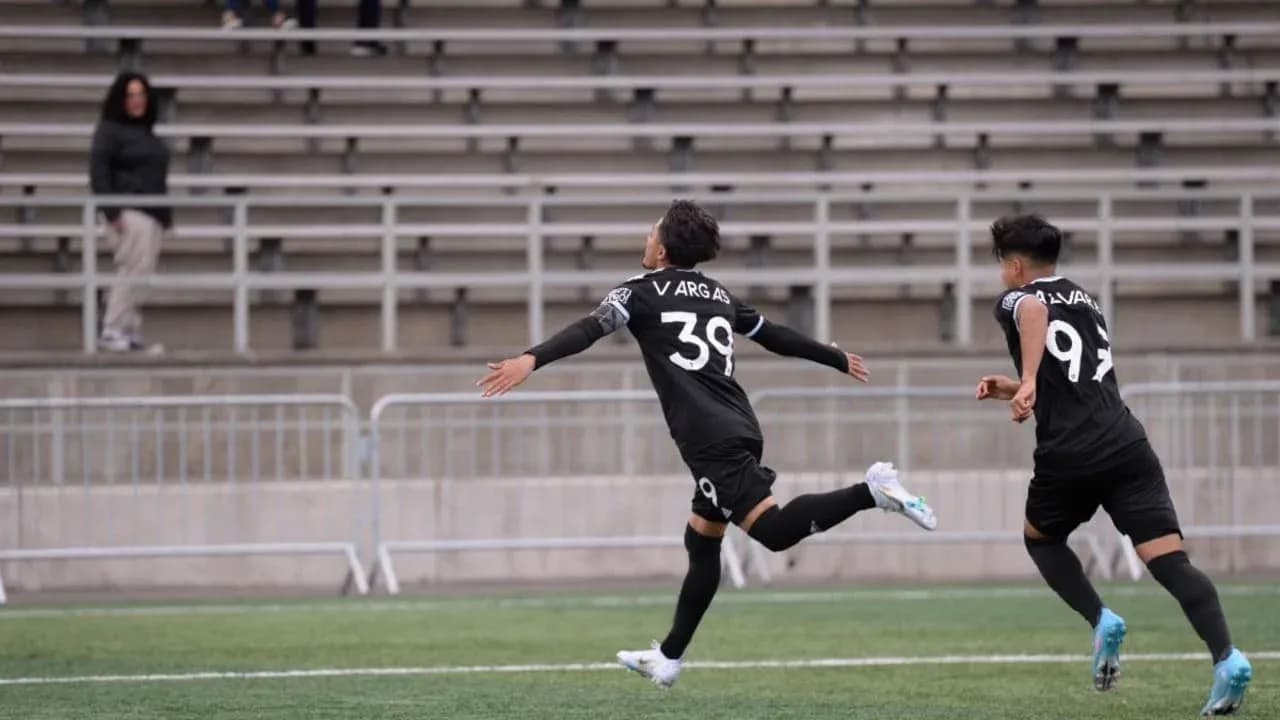
Under the lights at Choctaw Stadium, North Texas and The Town played out the kind of 120‑minute drama that exposes a squad’s wiring. The MLS Next Pro group-stage tie finished 2‑2 after normal time, before The Town held their nerve from the spot, winning the shootout 4‑2.
Following this result, the standings context frames the narrative sharply. North Texas sit 5th in the Frontier Division and 9th in the Eastern Conference with 18 points, a goal difference of 5 overall (22 goals for, 17 against in league play before this fixture’s stats are folded in). The Town arrive from a slightly stronger platform: 3rd in the Pacific Division and 6th in the Eastern Conference, on 19 points with a punchy overall goal difference of 11 (23 scored, 12 conceded).
Seasonally, both sides share a similar attacking output overall—24 goals each in league play so far—but the paths to that total are different. North Texas are a high-variance, front-foot group: at home they average 2.6 goals for and 1.8 against, away they still carry threat at 1.6 for and 1.4 against. The Town are more balanced but ruthless: at home they average 2.8 scored and just 0.8 conceded, while on their travels they put up 1.9 goals for and 1.6 against. The penalty shootout did not alter that DNA; it only sharpened the contrast between an impulsive, emotional North Texas and a colder, late-surge The Town.
II. Tactical voids and discipline – chaos vs control
No explicit injury list is provided, so the tactical voids here come from squad construction and disciplinary tendencies rather than absences.
North Texas’s season-long card profile screams volatility. Their yellow cards peak between 16‑30 minutes at 24.14%, and they stay consistently high through the middle of games—20.69% from 46‑60 minutes, plus twin 13.79% pockets from 61‑75 and 76‑90. More telling is the red-card distribution: a third of their reds come in each of 46‑60, 61‑75, and 91‑105. That is a team that often loses control just as intensity and fatigue climb. In a match that went to 120 minutes, that psychological fragility is a structural risk.
The Town, by contrast, are disciplined early but combustible late. Their yellow-card peak is a huge 35.00% from 76‑90 minutes—a classic late-game surge in aggression as they chase or protect results. They have one red card on the season, and it arrived in the 31‑45 window (100.00% of their reds), suggesting that when they do snap, it can come from frustration just before the interval rather than in the closing chaos.
In this shootout-decided tie, that discipline arc matters. North Texas’s tendency to collect cards across the middle phases likely forced coach John Gall into conservative in-game management, protecting players like I. Charles and S. Sedeh from risky duels. The Town’s Daniel de Geer, knowing his side’s late yellow spike, could afford to keep the intensity high with players such as K. Spivey and R. Rajagopal, banking on their group’s resilience rather than fearing a collapse.
III. Key matchups – hunter vs shield, engine room vs press
Even without explicit goal and assist tallies per player, the lineups and seasonal numbers allow us to sketch the critical battles that defined the narrative.
Hunter vs shield: North Texas attack vs The Town defence
At home, North Texas’s attack is a weapon: 13 goals in 5 matches, at 2.6 per game, supported by wide and creative profiles like E. Nys (shirt 10) and N. James (11). D. Garcia’s presence as a forward reference point, flanked by the technical craft of M. Luccin and the vertical running of L. Vejrostek, gives Gall multiple channels into the box. This is not a side that plays for 1‑0s; they lean into chaos.
The Town’s shield, however, has been stout overall. In total this campaign they have conceded 14 goals in 11 league matches, just 1.3 per game, with a particularly mean home record. On their travels they are a little looser at 1.6 conceded, but that is still tighter than North Texas’s home figure of 1.8 against. The back line built around J. Heisner, A. Cano, N. Dossmann and M. Kwende is supported by a midfield screen led by K. Spivey and the work rate of E. Mendoza. N. Crockford’s presence in goal underpins a defensive unit comfortable riding out pressure and then surviving long stretches without the ball.
In the 2‑2 draw before penalties, that duel played out as a stalemate of philosophies: North Texas created enough to hit their home average, but The Town’s defensive structure and mentality prevented the hosts from turning momentum into a decisive third goal.
Engine room – creativity vs control
The battle in midfield was less about a single star playmaker and more about collective patterns. For North Texas, S. Sedeh and M. Luccin form the hinge between defence and attack, with I. Charles offering line-breaking passes from deeper zones. Their season-long scoring profile—24 goals in 12 matches overall—suggests a side that can progress the ball quickly and commit numbers.
The Town’s engine room is built differently. With R. Rajagopal and K. Spivey anchoring and E. Mendoza linking to the front line of Z. Bohane, T. Allen and S. de Flores, de Geer’s side is set up to absorb and then spring. Their away scoring average of 1.9 goals suggests they are efficient rather than dominant: fewer waves of attack, more sharp, targeted punches.
IV. Statistical prognosis – what the numbers say about a rematch
If we translate the season data into an Expected Goals lens, both teams project as high-event outfits. North Texas’s overall averages of 2.0 goals for and 1.6 against, combined with their zero draws in 12 league fixtures, point to open games with big xG swings. The Town’s 2.2 goals for and 1.3 against overall paint a picture of a side that tends to win the territory battle in quality rather than volume.
Defensively, The Town’s overall goal difference of 11 (23 scored, 12 conceded) before this match is a significant edge over North Texas’s 5 (22 scored, 17 conceded). That gap in defensive solidity, combined with The Town’s ability to score 1.9 goals on their travels, underpins why they ultimately prevailed in the penalty shootout: they are marginally better at managing risk, staying in games, and taking decisive moments.
In a future tactical preview between these sides, the statistical prognosis would lean slightly toward The Town, especially in knockout or high-pressure scenarios. North Texas’s attacking firepower at home will always keep them live, but unless Gall can temper their disciplinary volatility and tighten the back line that concedes 1.8 per game at home, The Town’s more balanced profile and late-game resilience will continue to give them the edge when margins narrow to a shootout.