Neymar's Emotional Farewell to Brazil's National Team
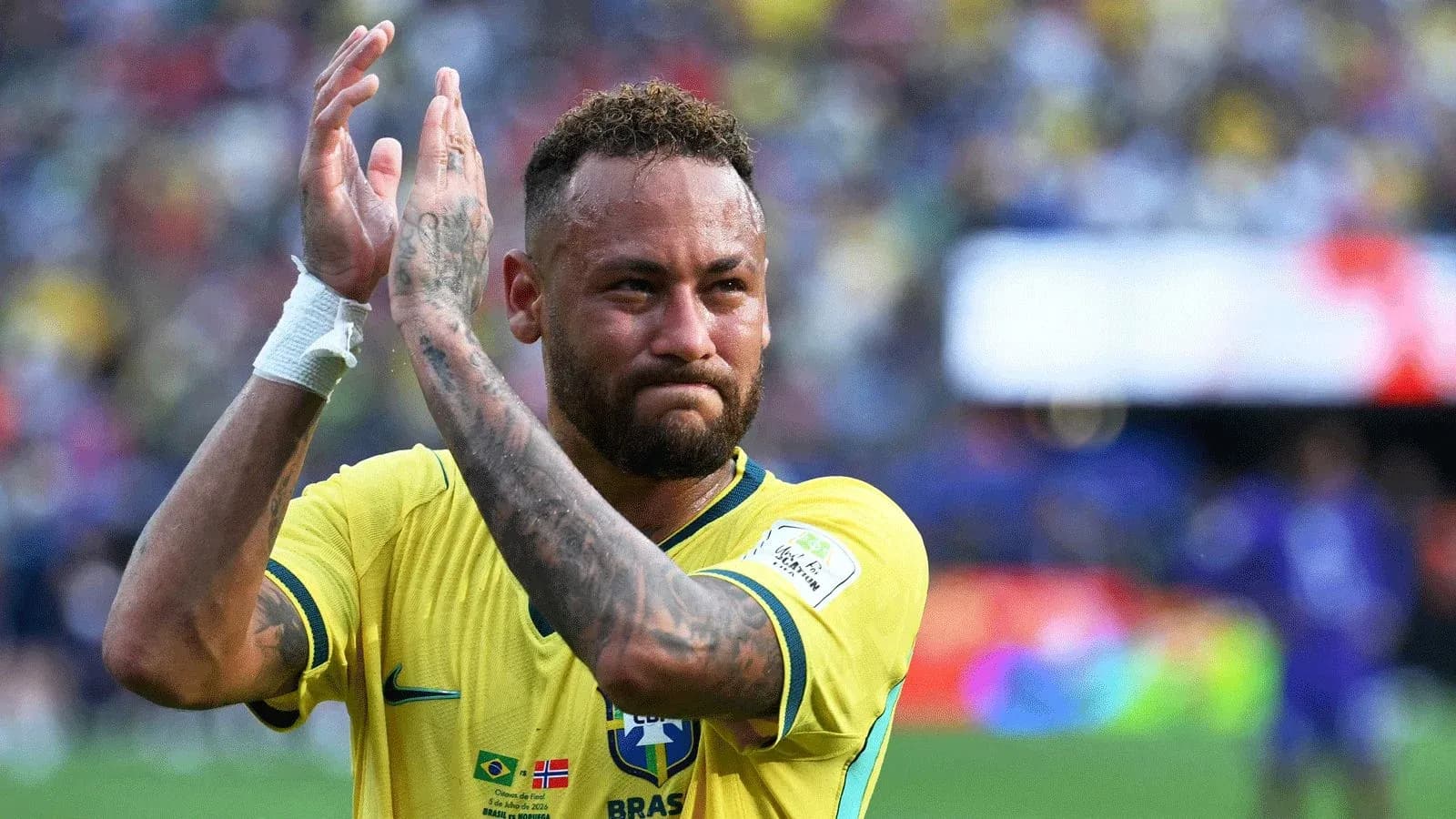
Neymar walked slowly across the MetLife Stadium pitch, eyes fixed on the turf, as if trying to memorise every blade of grass. Behind him, Norway’s players celebrated the greatest night in their footballing history. Ahead of him, nothing. At least not in yellow.
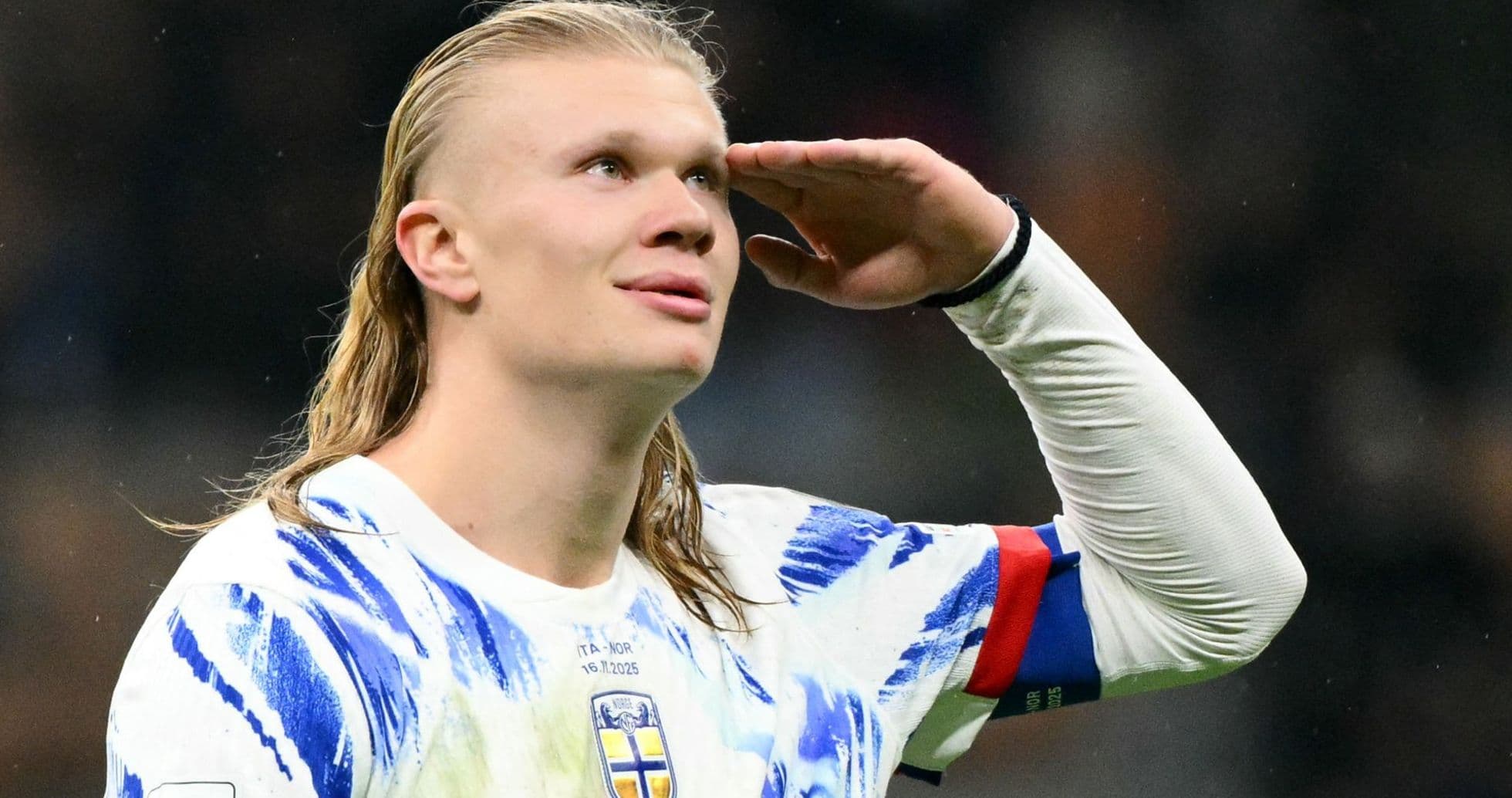
Brazil’s 2-1 defeat in the round of 16, delivered by an Erling Haaland brace, did more than end a World Cup campaign. It closed the book on one of the most scrutinised international careers of the modern era.
He is 34 now. He looked older.
A final goal, and a final goodbye
The moment that should have belonged to him arrived in stoppage time. Casemiro went down in the box, the referee pointed to the spot, and suddenly Brazil had a lifeline. Neymar picked up the ball, placed it carefully, and buried the penalty with the familiar, ruthless calm that has defined so much of his international life.
Eighty goals. More than anyone in Brazil’s history. Beyond Pelé. A record that, on any other night, would have dominated every headline.
Instead, it became an epilogue.
When the whistle went, Neymar collapsed, inconsolable. The stadium cameras caught the tears, but the real weight sat in his words a little later in the mixed zone, delivered in a low, flat tone.
“I tried, I tried. Now it’s over. I started here; I finished here,” he told reporters.
No caveats. No “for now.” Just an ending.
A 16-year journey with the Seleção, from teenage prodigy to global superstar, from the 2013 Confederations Cup to Olympic gold in 2016, finished on a cold American night with Brazil out of the World Cup earlier than at any time since 1990.
A titan without the crown
Strip away the emotion and the numbers remain staggering.
- 130 caps.
- 80 goals.
- 59 assists.
He leaves as Brazil’s all-time leading scorer, the man who finally moved past Pelé’s mark, and the face of a generation that grew up believing he would be the one to restore the sixth star.
He never did.
This latest exit to Norway underlined a brutal pattern. It was Brazil’s seventh straight knockout defeat to European opposition at a World Cup. Different coaches, different line-ups, the same story. For all of Neymar’s brilliance, the tournament that mattered most always stayed just out of reach.
He carried the weight of four cycles. In 2014, his back gave way. In 2018, the team did. In 2022, Croatia broke Brazilian hearts on penalties. Now, in the United States, Haaland and Norway finished the job.
The record books will treat him kindly. The World Cup history books will not.
A father’s plea
If Neymar sounded certain about his international future, not everyone around him is ready to let go of the wider picture.
His father, Neymar Senior, broke his silence with a public appeal, not to the fans, not to the federation, but to his son. On social media, he wrote a simple, pointed line: “I want to make a request as a father. Ney, keep playing football, please.”
No talk of tactics, systems or legacies. Just a parent asking his son not to walk away from the game that has shaped their lives.
The timing is no accident. Questions over Neymar’s club future have been growing louder, fuelled by recurring injuries and long spells on the sidelines. At one point, those fitness issues almost cost him a place in Carlo Ancelotti’s final 26-man squad for this World Cup.
His father’s message carried a hint of urgency. The family, and much of the football world, do not want this to be the last act. If the Brazil chapter is closed, they want at least one more season, one more run, one more reminder of the player who once bent entire defences to his will.
Brazil without its number 10
For Brazil, the shock in New Jersey quickly gives way to a more structural problem. What does this team look like without Neymar?
Ancelotti, who recently extended his contract to remain in charge of the national side until 2030, must now rebuild without the creative force around whom so much has been constructed for more than a decade. There is no obvious heir to the number 10 throne, no ready-made superstar to drop into the role.
The early exit in the United States accelerates everything. The CBF cannot pretend this is a minor setback. The wait for a sixth star stretches on, and the country’s most gifted individual of the past decade has walked away without touching the trophy that defined his dreams.
This is not just the end of a cycle. It feels like the end of an idea: that Brazil could always rely on one transcendent talent to drag them back to the summit.
What comes next?
For now, Neymar has drawn his own line. International football is over. The yellow shirt is folded and put away.
The decision leaves two parallel futures.
One belongs to Brazil, forced to confront a world in which Europe’s best keep knocking them out and their traditional role as World Cup royalty no longer guarantees anything. Ancelotti has time on his contract, but not in the court of public opinion. He must find a new structure, a new leader, a new identity.
The other belongs to Neymar himself. The body has betrayed him at times, but the touch, the vision, the instinct in front of goal remain. Somewhere, there is still a club willing to build around his name, his aura, his ability to turn a game with a single movement.
He has ended his story with the Seleção in tears, on a night when even a record-breaking goal could not save his country. The question now is not what he has been for Brazil.
It is whether he believes there is one last great chapter left in his career – and where he chooses to write it.