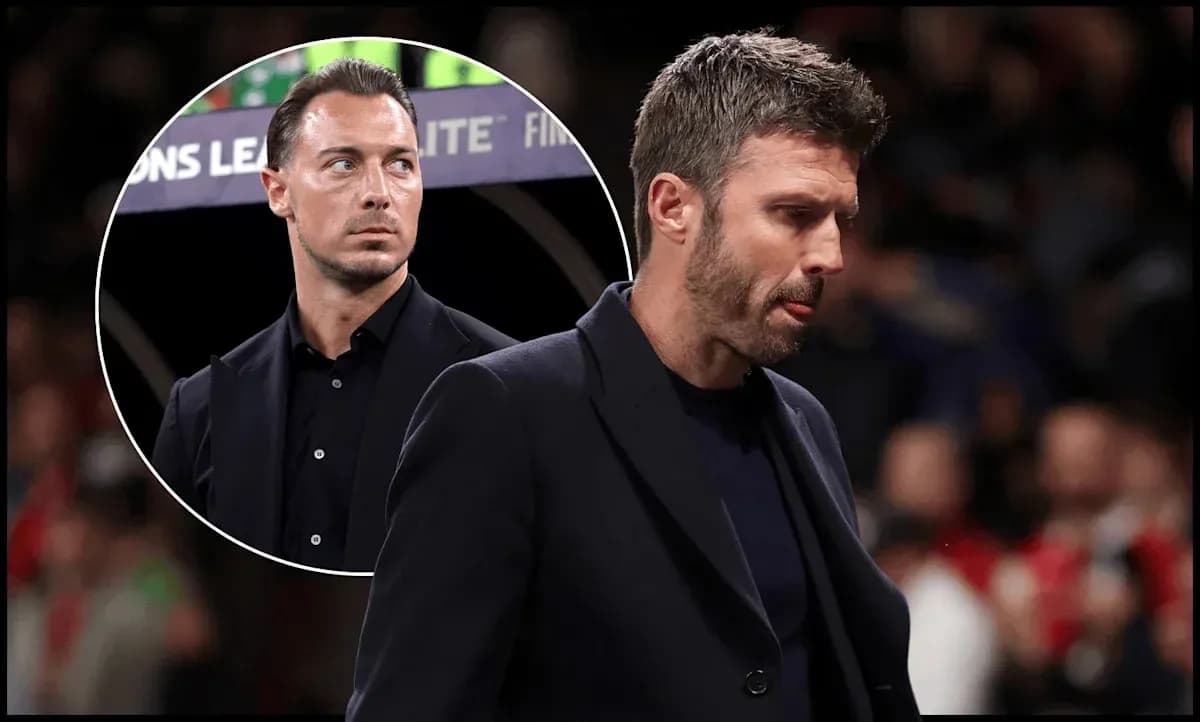
Newcastle United's New Era: Jaissle Takes Charge
An era at Newcastle United ended not with a grand farewell, but with a man hunched over a laptop on a flight home from Bristol.
Eddie Howe, fresh from a 4-1 pre-season defeat at Ashton Gate, spent the journey replaying the damage. Frame by frame. Even in his final hours in charge, the coach who had delivered Newcastle’s first silverware in a generation was still searching for fixes in what, to most, looked like a throwaway friendly.
By the next morning, the truth was out. A drained Howe had stepped down.
He had told the hierarchy weeks earlier that he wanted to go, then agreed to stay on until a replacement was found. That successor is Matthias Jaissle. And while Howe was still dissecting that Bristol City loss, the club were already turning the page.
A new Newcastle, by necessity
The shift on Tyneside has been sharp and, at times, brutal.
Last summer’s transfer window hurt. The domestic season that followed left bruises. Newcastle have responded by ripping up their short-term thinking and leaning into a new model: younger talent from the continent, a heavier reliance on data, and a trading approach shaped as much by Uefa’s financial punishment as by ambition.
It has come at a cost.
Sandro Tonali and Anthony Gordon have gone, to Tottenham Hotspur and Barcelona respectively. Those exits were reluctantly accepted as the price of meaningful reinvestment. The likely departure of captain Bruno Guimaraes to Arsenal was never in the script.
There have been misses too. Spain winger Victor Munoz chose Liverpool. Switzerland midfielder Johan Manzambi picked Aston Villa. Newcastle moved early, but not early enough.
Still, five new faces have arrived: goalkeepers Lukas Hornicek and Ewen Jaouen, midfielders Aladji Bamba and Sean Steur, and forward Bazoumana Toure. They are intriguing, raw, and very much in line with the club’s new direction.
Sporting director Ross Wilson knows it is only a start.
“We have to build a model here that can compete, can win,” he said. “But also one that works for us and doesn't lead us to have to sell players we don't want to sell and lead to Uefa sanctions.”
That is the tightrope Newcastle now walk: competitive, but compliant. Ambitious, but sustainable.
Enter Jaissle, at full speed
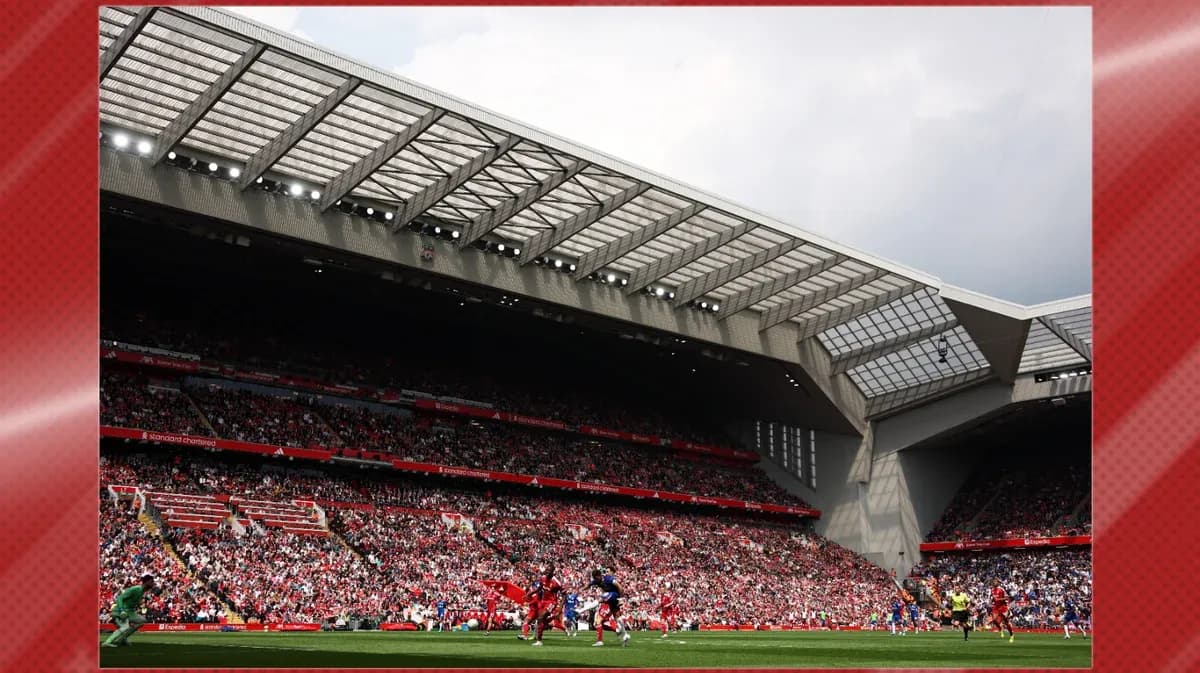
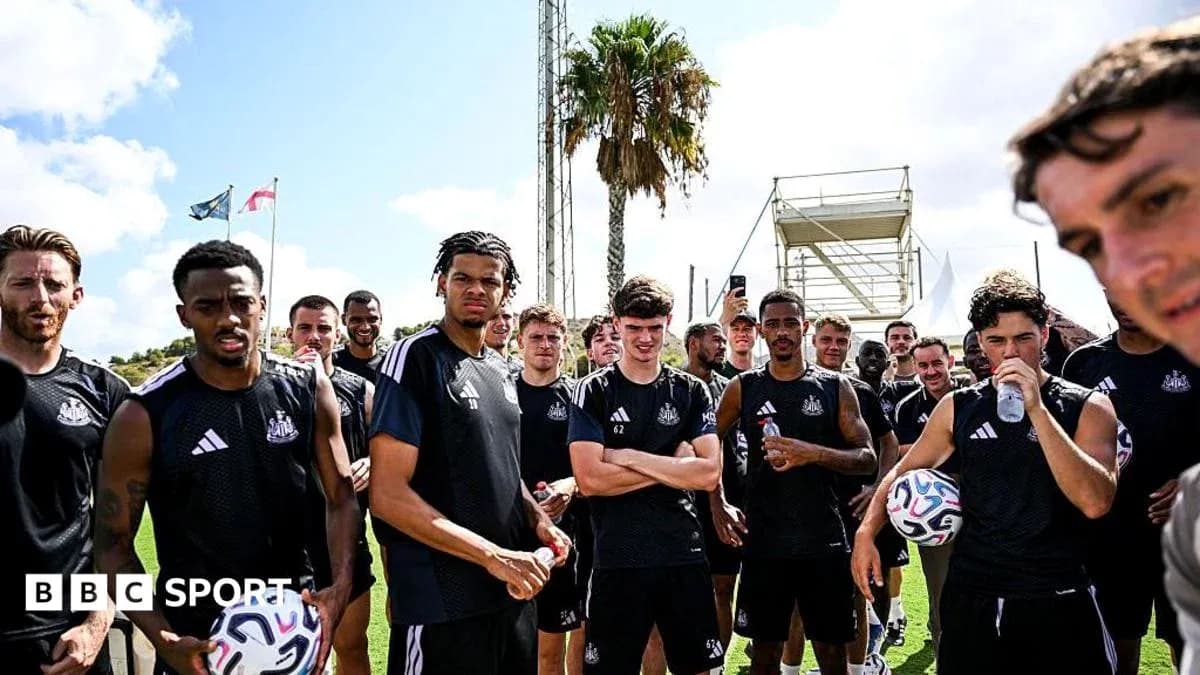
Into this comes Jaissle, 38 years old, straight from Al-Ahli and dropped almost mid-flight into Newcastle’s pre-season camp in Spain. The clock is already ticking loudly. The Premier League opener against Liverpool on 23 August is racing towards him.
Performance director James Bunce likened the first days to speed dating. Every moment counts. Every conversation has to land.
The players have felt it.
Training always spikes when a new manager walks through the door, but those inside the camp talk about Jaissle’s double sessions being “off the charts”. Effort is non-negotiable. He wants players to train exactly as he expects them to play: aggressive, intense, relentless.
The numbers back up the reputation. At RB Salzburg, where he won back-to-back league titles and reached the last 16 of the Champions League, his side led the Austrian league in high turnovers per game (9.8) and possession won in the final third (5.6) per match. They hunted the ball, and they did it high.
At Al-Ahli, the aggression remained. His team produced 8.2 high turnovers per game and won 47.6 duels per match, while he adjusted his approach enough to steer them to successive Asian Champions League titles.
Front-foot football, but on solid ground. That balance will define whether he sinks or swims in the Premier League.
No surprise, then, that he has already hammered home the importance of clean sheets. One session in particular left players drained by the volume of recovery runs demanded. Attack, lose it, sprint back. Again. And again.
On Thursday, he eased off. Stopwatch hanging from his neck, Jaissle took one look at the heavy legs and trimmed the workload. The intensity remains, but he knows when to pull the brake.
Standards, staff and a stopwatch
The contrast in persona is striking. In interviews, Jaissle is measured, almost understated. On the training pitch, he is anything but. He storms through drills, shifts his own staff around to show the level he wants, and drives the tempo himself.
He has arrived with a trusted core: assistants Alexander Hauser, Engin Yanova and Florens Koch; coach analysts Maximilian Fischer and Steffen Konrad; and goalkeeping coach Alexander Bade. The backroom influx is significant, but Jaissle’s first message made it clear that the onus is not just on the newcomers.
Those already at the club, he told them, must “raise the standards” too.
They have little choice. Liverpool, under Andoni Iraola, have had longer to adjust to their own new era. At Newcastle, staff have been working into the early hours, cutting and recutting analysis, trying to condense months of adaptation into weeks.
Even the new signings are being fast-tracked.
Hornicek, the Czech Republic goalkeeper who joined from Braga for £25.7m less than a week ago, has already been thrown into crash courses on the Premier League’s aerial chaos at set-plays. Bigger bodies, heavier contact, more traffic on the goal-line. He is being drilled on how to deal with towering forwards piling into his six-yard box.
Is he ready for that fight?
“For sure,” he said.
He will need to be. So will the rest of this young, evolving squad.
Newcastle are not just changing manager. They are changing age profile, recruitment strategy, financial posture and tactical identity, all while trying to stay in step with a league that punishes hesitation.
The Howe era ended quietly, somewhere between Bristol and Tyneside, with a coach still searching for answers on a screen. Jaissle’s begins at full tilt, stopwatch swinging, lungs burning on the training ground.
The question now is simple: can this new model carry Newcastle where the old one ran out of road?