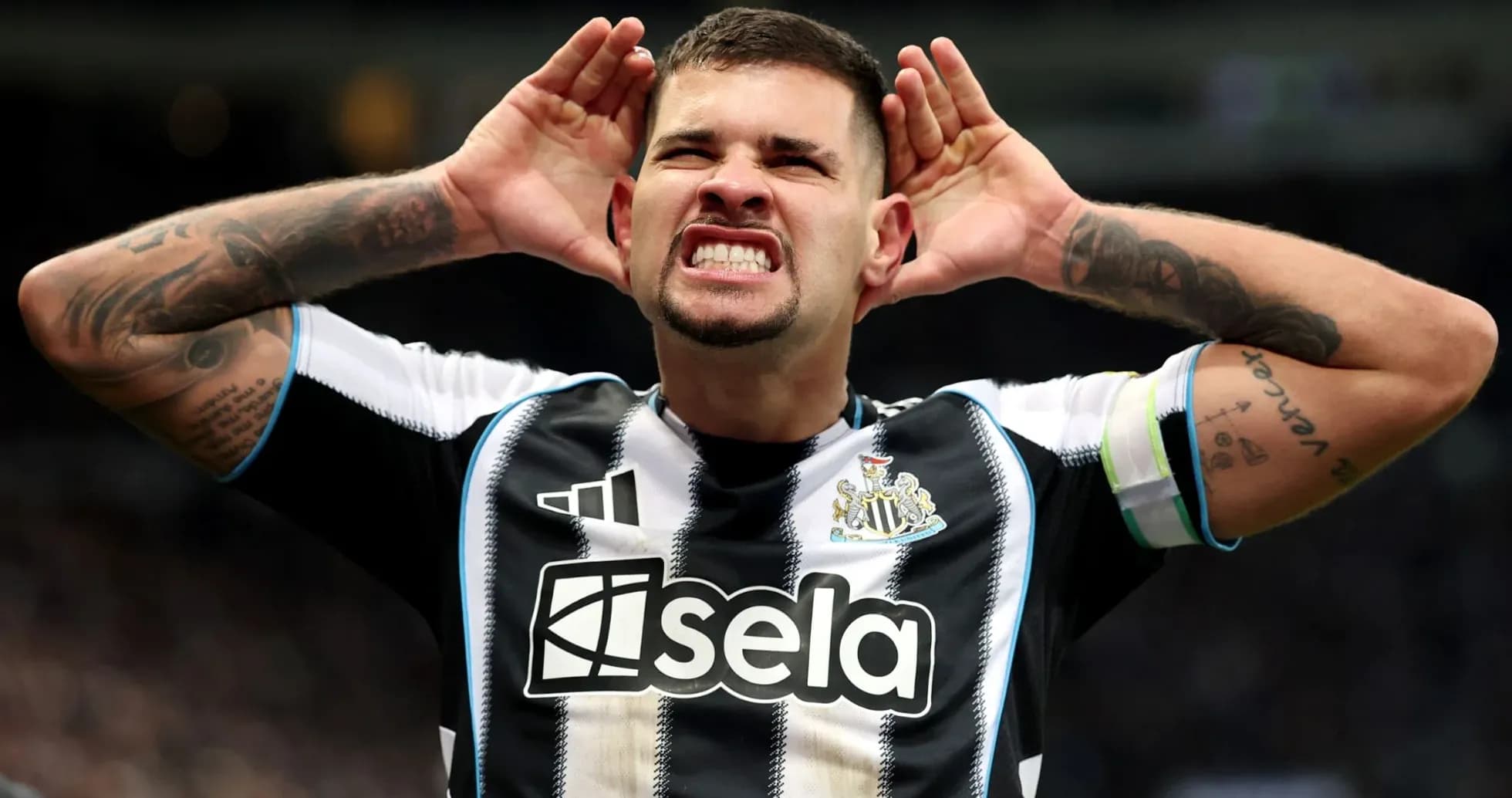
Newcastle's Unexpected Decision on Bruno Guimaraes Departure
Newcastle United did not walk into this summer intending to sell Bruno Guimaraes. They were dragged there.
Sporting director Ross Wilson laid it out plainly: the plan on the boardroom whiteboard never involved cashing in on the captain. The market – and Guimaraes himself – rewrote that plan.
“What we had to weigh up was, very respectfully from Bruno with his behaviour towards us, very emotionally as well, he effectively told us he wanted to leave and move on,” Wilson said, speaking to the BBC.
That admission cuts through any notion of a cold, pre-planned sale. This was not a club circling a name in red and deciding the time had come. It was a dressing-room leader, approaching 29 in November, making it clear his future lay elsewhere, and a club forced to decide how hard to pull back.
Wilson stressed that Guimaraes’ desire did not automatically grant him an exit. Newcastle still had to protect their position, still had to decide what number would make sense in a market where elite midfielders rarely come cheap.
“That doesn't mean he can go, but it certainly plays a part in what our thinking is when we hit a certain range of number,” he said. “There's no part in saying it was part of our strategy and was in our thinking this summer – it wasn't. But we have got to be flexible and react to things that happen.”
The pressure finally told once Arsenal arrived with serious money. Newcastle, boxed in by the player’s stance and the realities of financial planning, chose the deal.
It marks another wrenching departure on Tyneside. Guimaraes becomes the fourth key figure to walk out in under a year, a list that underlines how quickly the spine of Eddie Howe’s side has been stripped away. Sandro Tonali has gone to Tottenham. Anthony Gordon has taken the leap to Barcelona. Alexander Isak left for Liverpool last summer. Now the captain, the heartbeat of their midfield, heads to Arsenal.
Inside the club, the conversation shifted from whether they wanted to sell to whether they could afford not to at the right price. Chief executive David Hopkinson revealed Arsenal did not arrive with a blockbuster bid from day one. They probed, they tested, they tried to edge the fee down. Newcastle held their line.
“Arsenal initially floated lower sums for the midfielder,” Hopkinson said, before making clear that the final agreement landed where Newcastle needed it to be.
“You're dealing with very sophisticated actors on each side. That's what negotiation looks like. It's a fee that satisfies us. If you want to put a merchandising spin on it, it's the highest fee for a player in that position at that age, and all those things come into play.
“Is it a good deal for Newcastle United? I believe it is, but Arsenal are getting a very special player and person. It's worked from a financial perspective for both sides.”
That last point matters. Newcastle, ambitious but still operating under financial constraints, have to trade smartly to keep moving forward. Losing a player of Guimaraes’ influence cuts deep, yet the club insist the numbers give them room to rebuild and stay within the rules.
The emotional cost is harder to quantify. A captain who once symbolised the project has decided his next steps lie in London, not on Tyneside. The board, by their own account, did not engineer that outcome. They reacted to it.
Now the question hangs over St James’ Park: how many more times can Newcastle lose a cornerstone and still claim the project is accelerating rather than being rebuilt on the fly?