Newcastle's 2030 Dream Faces Harsh Reality
The talk at St James’ Park used to be about 2030. About Newcastle United muscling in on the game’s elite, about becoming “the top club in the world” inside five years. That was the vision chief executive David Hopkinson laid out in December 2025: a club transformed into “perennial contenders” for the biggest prizes.
This summer has ripped through that script.
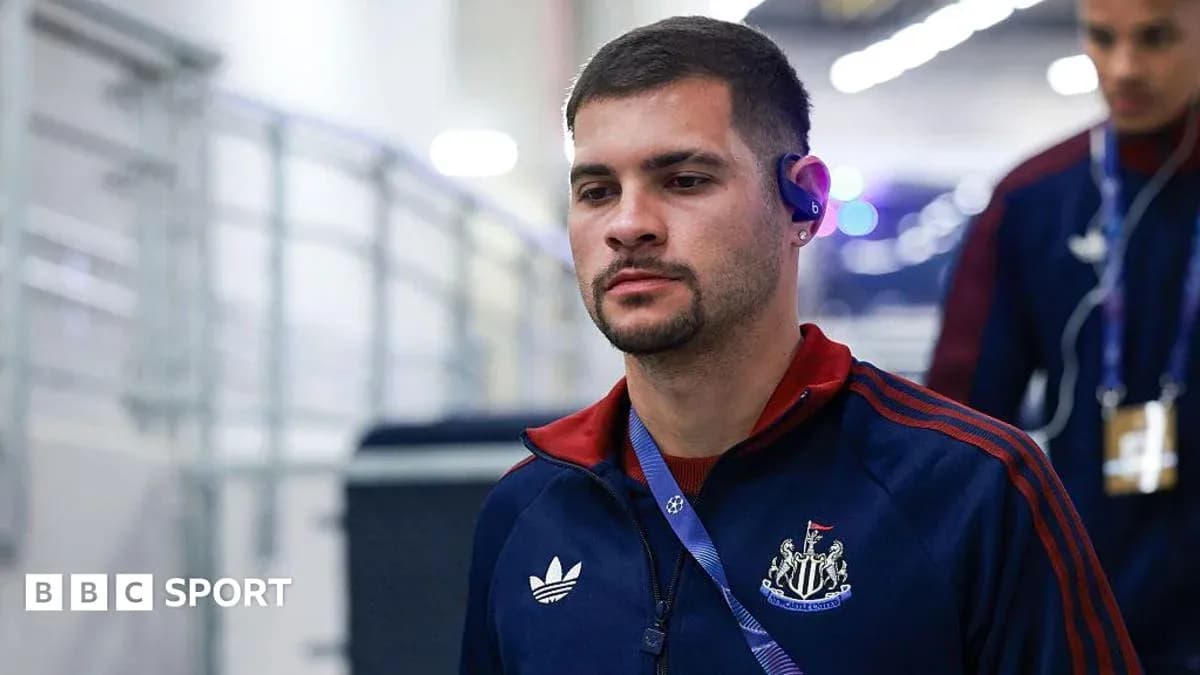
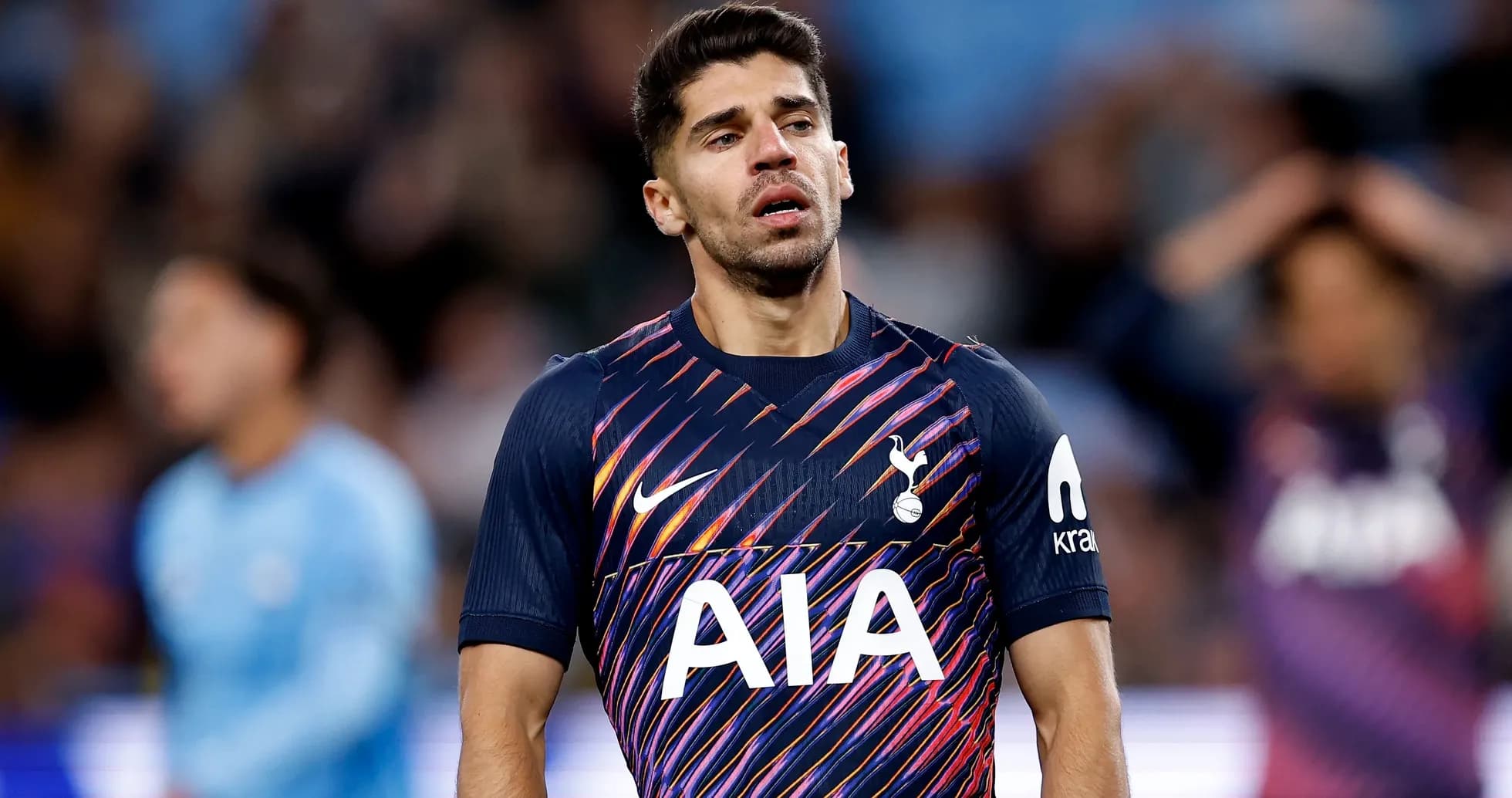
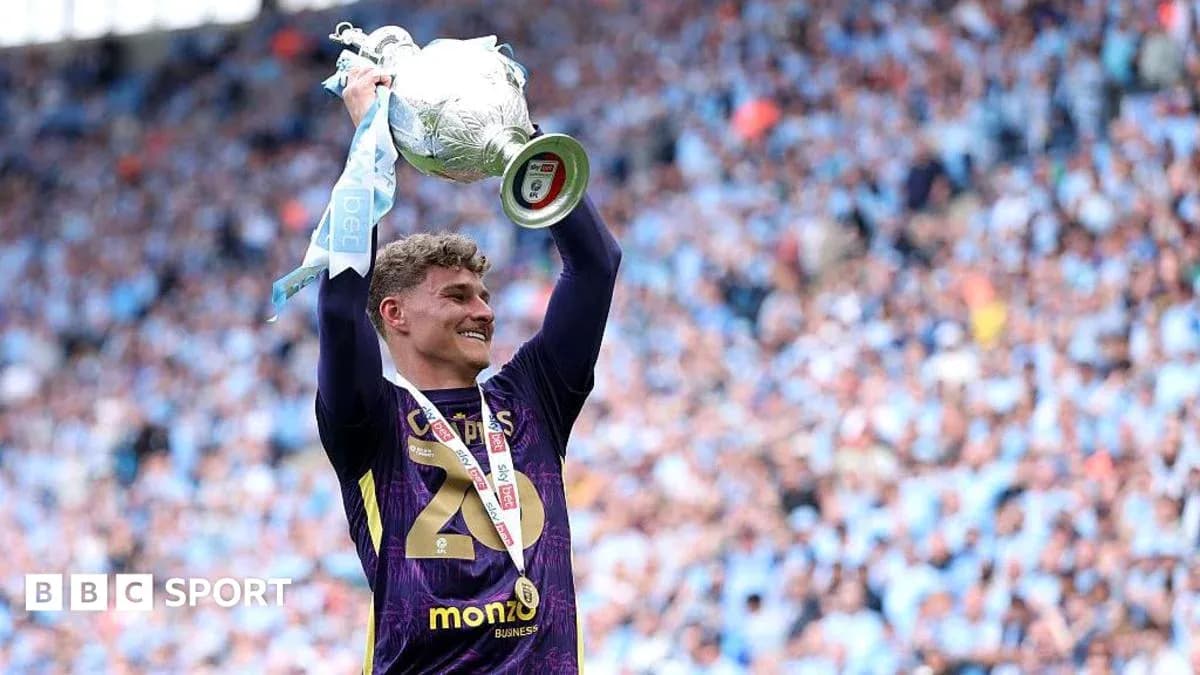
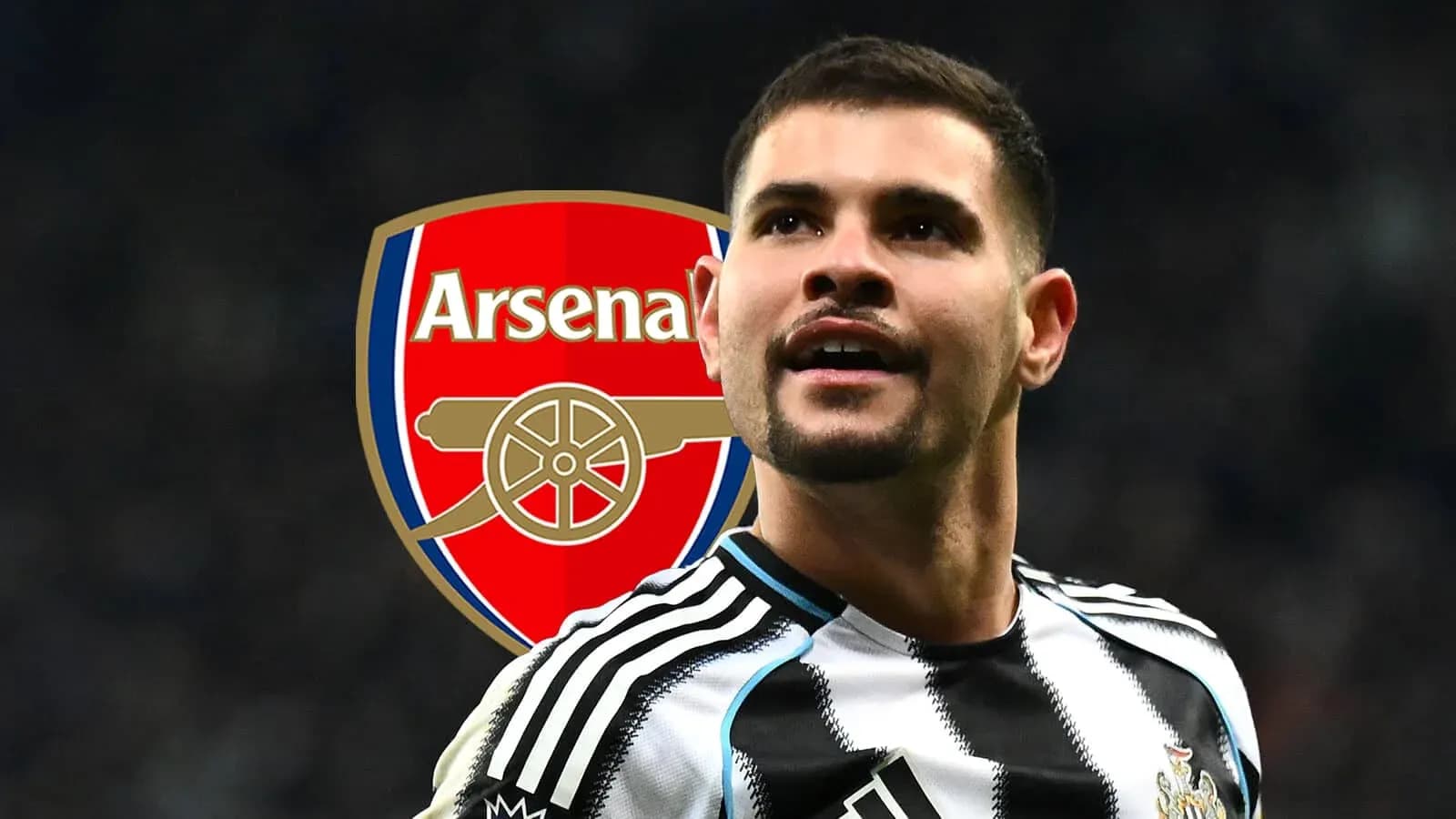
Sandro Tonali has gone. Anthony Gordon has gone. Captain Bruno Guimaraes looks poised to join them. Three pillars of a project, all edging or already out of the door before a ball has been kicked in the new season.
Against that backdrop, BBC Sport’s Newcastle United reporter Ciaran Kelly believes the rhetoric has to shift.
“There is going to have to be a change,” he told BBC Radio 5 Live’s Football Daily podcast, reflecting on Hopkinson’s grand ambition. For all the talk of global supremacy by 2030, the reality on Tyneside right now is a squad stripped of star power, a dressing room in flux and a fanbase staring at a reset rather than a coronation.
Kelly pointed to the sheer scale of the upheaval. Key players gone, a new manager incoming, and the clock ticking loudly: less than three weeks until Newcastle open their Premier League campaign against Liverpool.
That is not a bedding-in period. That is a countdown.
In their place, the club is leaning heavily on youth. Talented, yes. Exciting, possibly. But ready to carry a Champions League-sized expectation on their backs? That is another question entirely.
“Realistically, if you're losing that many key players, there has to be a recognition that these young players will take time to adapt to the Premier League, the physicality and intensity of it,” Kelly said. He underlined a truth the league exposes every year: “We see even experienced players struggling.”
The message is clear. Potential is not a shortcut. These youngsters will need time, and they will need work – serious work – on the training ground to cope with the demands of a league that punishes inexperience and inconsistency without mercy.
All of this is happening in a single window. New manager. New core. New hierarchy in the dressing room. For a club that had spoken so loudly about stability and long-term planning, the churn is jarring.
“It's been a lot of change in one window and it's going to take time for it to come together,” Kelly warned. That is not a plea for patience for its own sake; it is a recognition that the original timeline no longer fits the reality on the pitch.
Which brings the conversation back to 2030.
“Certainly the idea that Newcastle by 2030 are the biggest club in the world – I think there is going to have to be a change overall,” he added.
The ambition may remain. The money certainly does. But the route there looks very different now. Instead of a smooth climb into the game’s rarefied air, Newcastle are staring at a season where survival of momentum, identity and belief might matter more than any grand global branding play.
The next time Hopkinson and the sporting director speak publicly, the fanbase will not just be listening for reassurance. They will be listening for something more telling: an admission that the project has changed, and that the road to the top of the world has just become a lot longer and a lot steeper.