New York City II Dominates FC Cincinnati II in 2–0 Victory
Under the lights at Belson Stadium, New York City II’s 2–0 win over FC Cincinnati II felt less like a one-off result and more like a crystallisation of each side’s 2026 MLS Next Pro identity. In a Group Stage landscape where margins are thin and development arcs matter as much as points, this was a night that underlined NYC II’s home authority and Cincinnati II’s ongoing away crisis.
Heading into this game, the numbers already framed the contest starkly. New York City II sat 6th in the Northeast Division and 12th in the Eastern Conference, with 15 points from 10 matches. Their overall goal difference stood at -3, born of 14 goals scored and 17 conceded in total. Yet the split between home and away told the real story: at home they had played 5, winning 4 and losing just 1, with 8 goals scored and 8 conceded. That 1.6 home goals-for average matched by 1.6 goals-against painted them as volatile but dangerous hosts.
FC Cincinnati II arrived in a far more precarious state. They were 8th in the Northeast Division and 14th in the Eastern Conference, on 9 points from 11 matches and carrying a goal difference of -9, exactly the product of 12 goals scored and 21 conceded overall. The away column was brutal: 6 matches, 0 wins, 0 draws, 6 defeats, with only 2 goals scored and 14 conceded. An away goals-for average of 0.3 against 2.3 conceded on their travels suggested a side that rarely imposed itself outside its own ground.
Against that backdrop, NYC II’s 2–0 victory felt almost inevitable in its pattern, but the personnel and structure still mattered. Matt Pilkington’s starting XI blended academy promise and physical edge. At the back, M. Learned, A. Campos, J. Loiola and K. Smith formed the base of a side that, heading into this game, had kept only 1 clean sheet at home all season. In front of them, the likes of D. Kerr, C. Flax and J. Suchecki provided legs and pressing energy, with D. Duque, E. Samb and S. Musu tasked with turning territory into threat.
Cincinnati II’s lineup, with F. Mrozek in goal and a defensive core of D. Mosquera, F. Samson, S. Lachekar and W. Kuisel, carried the scars of an away campaign where they had already failed to score 4 times on their travels. The midfield blend of J. Mize and C. Sphire, flanked by the work of M. Sullivan and C. Holmes, was designed to give S. Chirila and C. Niang something to work with, but the structural issues that had plagued them away from home resurfaced.
First Half
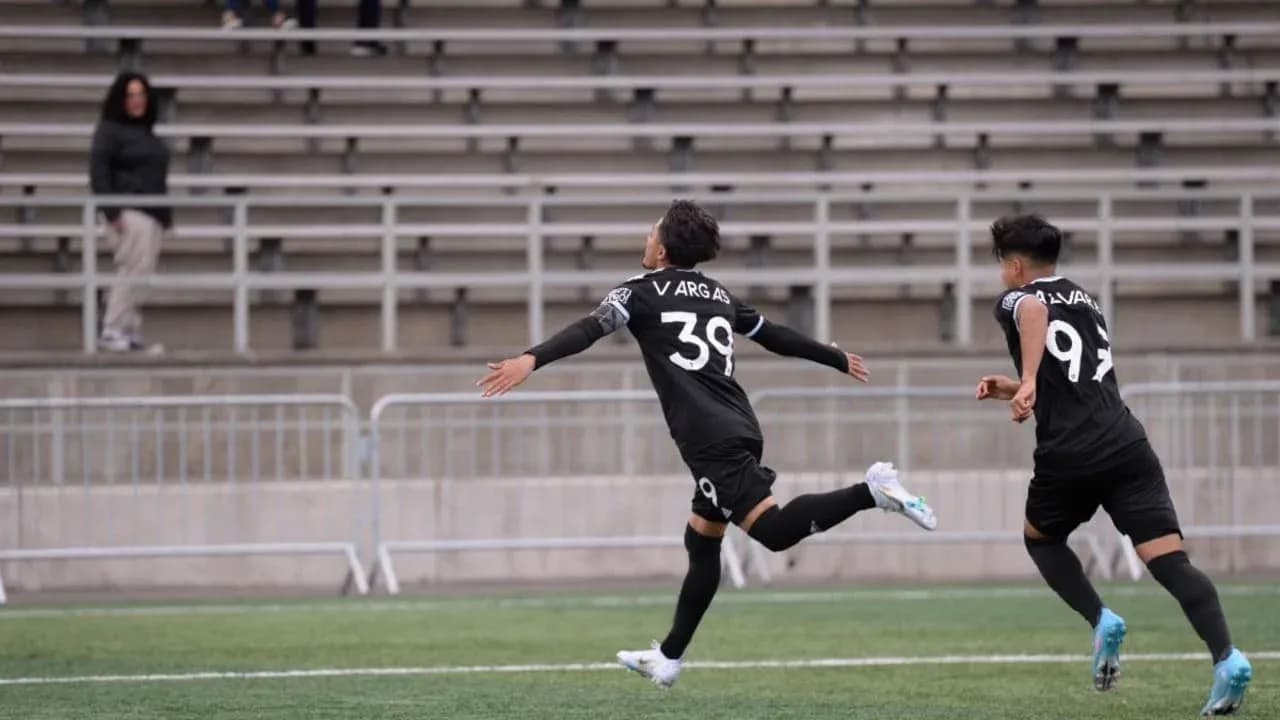
The first half at Belson Stadium mirrored the table. NYC II, used to fast home starts, leaned into their front-foot identity, and the 1–0 half-time scoreline in their favour reflected a side that trusts its attacking habits in Queens. While their season-long card profile shows a notable yellow-card spike late (33.33% of their yellows between 76–90’), they managed the early phases with control rather than chaos. Cincinnati II, by contrast, carried their disciplinary volatility from the opening whistle; 22.22% of their yellows this season have come in the first 0–15 minutes, and that early nervous edge again limited their ability to build from the back.
The tactical voids in this fixture were less about absentees – with no formal missing-player list provided – and more about structural gaps. For NYC II, the main question was whether a defence that had conceded 8 at home in 5 matches could protect a lead. For Cincinnati II, the void was in the final third: an away record of 2 goals in 6 games, and a tendency to be stretched once they fell behind.
Second Half
Pilkington’s use of his bench underlined NYC II’s evolving maturity. With options like B. Klein, D. McDermott, E. Martin and J. Ponce available, he could refresh wide areas and central energy without sacrificing their pressing identity. Players such as L. De Pinho and C. Danquah offered different profiles to close out the match, turning the second half into a managed exercise in control rather than a frantic scramble.
On the opposite touchline, Cincinnati II’s substitutes – S. Hall, Y. Ramos, M. Vazquez, N. Gray, D. Hurtado and G. Marioni – represented attacking and defensive tweaks, but the deeper issue was systemic. Heading into this game, they had never kept a clean sheet away, and their biggest away defeat, 4–0, sat as a warning of what happens when their back line is repeatedly exposed. Even with Mrozek’s shot-stopping and Mosquera’s physical presence, the unit struggled once NYC II established rhythm between the lines.
The “Hunter vs Shield” narrative here was less about a single talismanic scorer and more about collective trends. NYC II’s home attack, averaging 1.6 goals per match, faced a Cincinnati II away defence conceding 2.3 per game. That clash of profiles almost pre-wrote the script: if New York could generate anything close to their usual volume of chances, the probability of multiple goals was high. Conversely, Cincinnati II’s anaemic away attack – 0.3 goals per game on their travels – ran into a defence that, while imperfect, tends to be more secure when playing from the front at Belson.
In the “Engine Room” battle, players like Kerr, Flax and Suchecki set the tempo for NYC II, snapping into duels and ensuring that Cincinnati’s midfield pair of Mize and Sphire were more concerned with recovery runs than progressive passing. That tilt in central control meant Niang and Chirila were often isolated, feeding into a broader pattern where Cincinnati II’s overall goals-for average of 1.1 was dragged down further by their struggles away from home.
From a statistical prognosis standpoint, the result aligned almost perfectly with the underlying numbers. A home side that had won 4 of 5 at Belson and scored 8 there in total added another 2 to their tally, while tightening up at the back to secure just their second clean sheet of the season overall. Cincinnati II, who had already lost all 6 away fixtures with a combined 2–14 goal record, extended that grim run, their away goal difference sliding further into the red.
Following this result, the narrative is clear. New York City II remain a dangerous, high-variance home side, capable of overpowering visitors with energy and aggression, but still searching for defensive consistency across the campaign. FC Cincinnati II, meanwhile, are trapped in a dual identity: competitive and occasionally explosive at home, yet brittle and blunt on their travels. Until they solve that away riddle – structurally in defence and creatively in attack – nights like this at Belson Stadium will continue to feel less like surprises and more like inevitabilities.