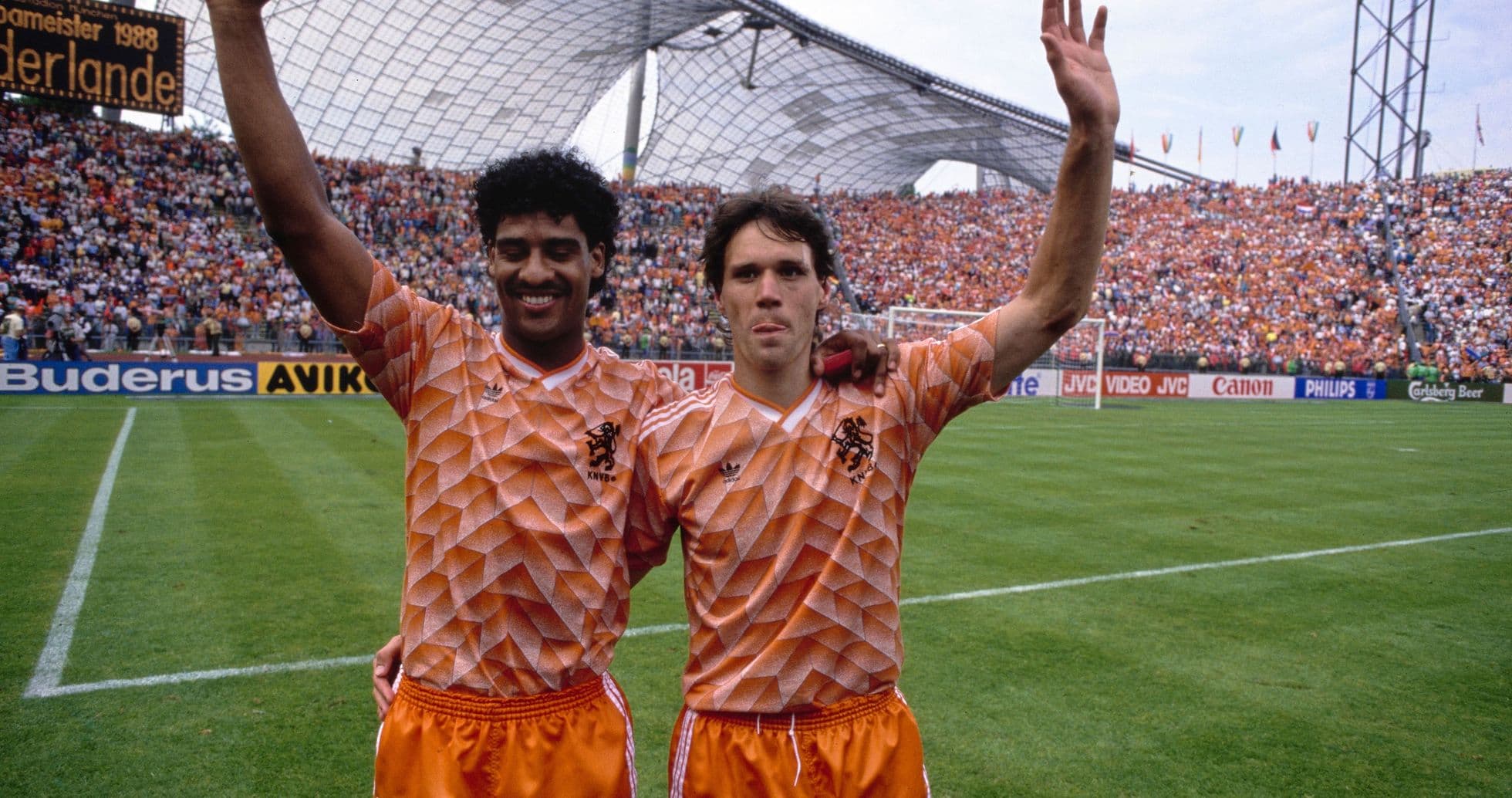
Netherlands vs Germany: Van Basten's Goal Defines a Historic Euro 1988 Semi-Final
The night at Hamburg's Volksparkstadion remains etched in football history. On that humid evening, the Netherlands faced West Germany in the Euro 1988 semi-final, a match heavy with emotion and memories stretching back to 1974. The Dutch side, driven not just by the desire to reach the final but to overcome the painful legacy of the 1974 World Cup loss, finally found redemption through Marco van Basten’s late winner, sealing a 2-1 victory.
The Shadow of History in Hamburg
The tension surrounding this game was palpable. For the Dutch fans and players, the wounds from their defeat fourteen years earlier had never fully healed. West Germany stood firm as hosts, boasting leaders like Lothar Matthäus and the tactical mind of Franz Beckenbauer. Meanwhile, the Netherlands, guided by Rinus Michels—the pioneer of Total Football—brought a new generation including Ruud Gullit, Frank Rijkaard, and Van Basten, who carried the hopes and burdens of past generations. A crowd of 61,330 clad in white and orange filled the stadium, their emotions a mix of hope and lingering sorrow.
The first half was a tight, tactical battle with both sides cautious. The Germans shut down Gullit’s creativity and kept Van Basten mostly quiet. Each challenge drew gasps from the crowd; every mistake felt magnified. Despite Dutch technical skill, fear lurked that history might repeat itself. As the teams went into halftime goalless, the memory of Gerd Müller haunted the field—a reminder that playing well against Germany did not always guarantee victory.
Two Penalties Shift the Match
The deadlock broke after halftime. In the 55th minute, Jürgen Kohler was fouled inside the box by Rijkaard, leading referee Ioan Igna to award a penalty. Lothar Matthäus calmly converted, putting West Germany ahead and causing an eruption of cheers. The Dutch looked familiar with this scenario, their flame flickering under the weight of German dominance.
Yet the Dutch refused to give in. In the 74th minute, the tables turned when Van Basten was brought down by Kohler in the German penalty area. Ronald Koeman, cool under pressure, stepped up and struck a precise penalty to equalize. The momentum shifted visibly. The Dutch were no longer just battling Germany—they seemed to be challenging fate itself. Koeman’s goal unlocked a new confidence, freeing the team to believe they could win.
Van Basten's Moment of Glory
As the clock neared extra time, tension soared. Then came the defining moment in the 88th minute. Jan Wouters delivered a sliding pass to Van Basten, who stretched to meet it despite Kohler’s pursuit. With a swift, low shot, he sent the ball across goalkeeper Eike Immel into the far corner. The Dutch supporters erupted, their joy bursting after years of waiting. This wasn’t just a goal—it was liberation from decades of disappointment.
The final whistle confirmed a 2-1 win for the Netherlands, sparking wild celebrations that filled Amsterdam’s canals. After the game, Ronald Koeman famously exchanged shirts with Olaf Thon, making a cheeky statement that became part of football folklore. Rinus Michels later said that while the Dutch won the tournament by beating the Soviet Union in the final, the real triumph was that night in Hamburg.
This match stands as a defining chapter in Dutch football history—a moment when the orange team finally stepped out from the long shadow cast by their German rivals.