Morgan Gibbs-White: Nottingham Forest's Beating Heart
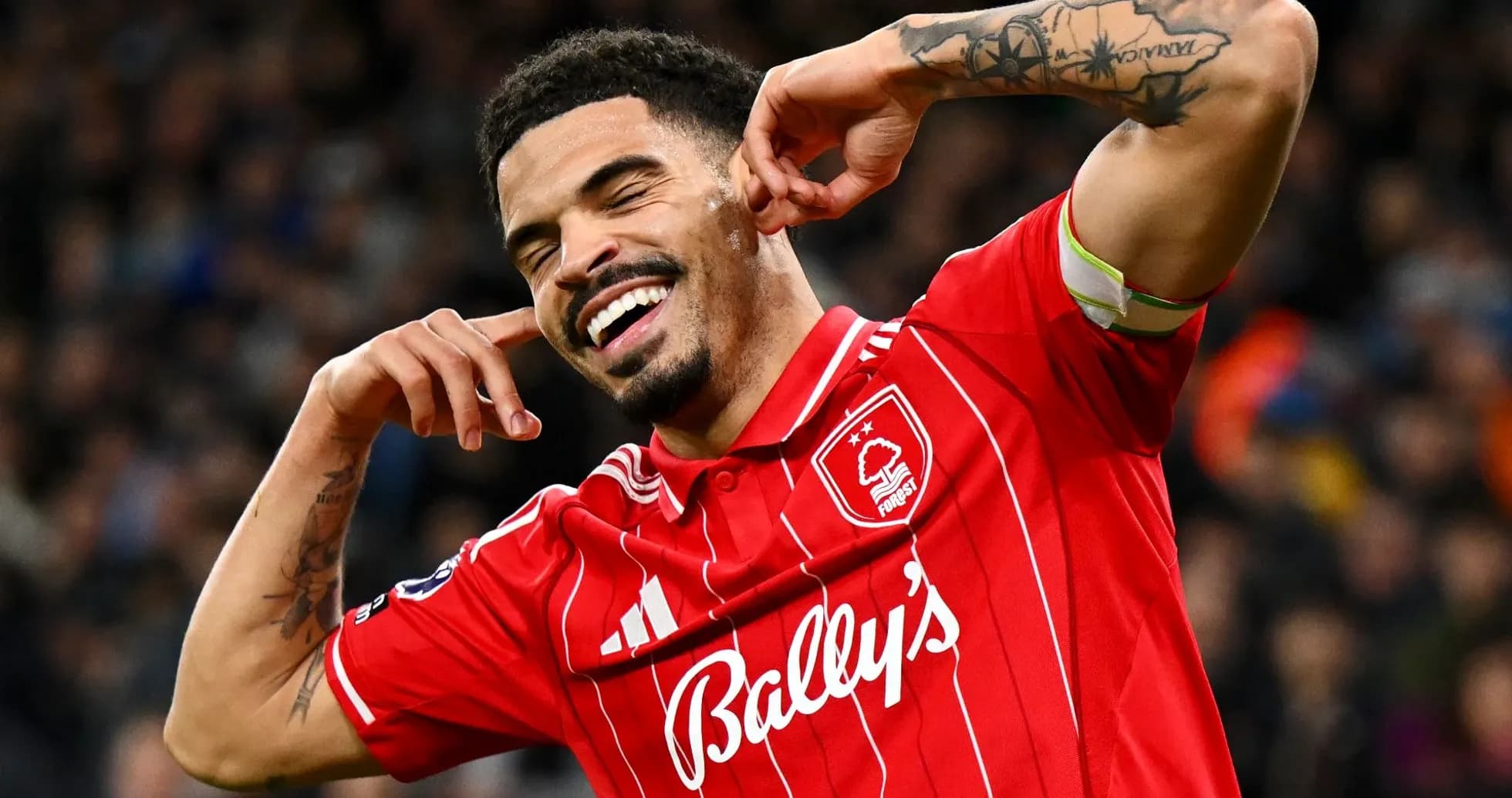
Morgan Gibbs-White has never exactly tiptoed into a room at Nottingham Forest. Since arriving on Trentside in 2022 in a deal that could rise to £42 million, he has walked through the door, grabbed the ball and, increasingly, the spotlight.
Forest have had no problem triggering the add-ons. Their mercurial No.10 has become the club’s beating heart, a player as influential in the dressing room as he is between the lines. When Ryan Yates has been absent, the captain’s armband has slipped naturally onto his sleeve. On the pitch, the numbers have followed the responsibility.
Last season brought personal bests: 18 goals in all competitions, 15 of them in the Premier League, with a few more sprinkled into a stirring Europa League run that ended in the semi-finals. This was not a season of cameos. It was a season of ownership.
It all came after a sliding-doors moment. Tottenham wanted him. Forest, backed by owner Evangelos Marinakis, simply refused to play ball. The move was blocked, the message was clear, and Gibbs-White signed a new contract to stay put.
The reward for that loyalty, at least on the international front, did not come. When England’s 2026 World Cup squad was named, his was a name left on the cutting-room floor. For a player of his confidence and ambition, that omission has inevitably fuelled the question that hangs over every rising star at a club outside the established elite: how long can this project match his personal ceiling?
The whispers of a move have never fully gone away. They rarely do for a creative No.10 in his prime. Yet at Forest, MGW is not just another asset on a balance sheet. He is a fan favourite, a symbol, the first name inked on most supporters’ imaginary team sheets.
That status, though, does not guarantee permanence. Former Forest defender and club icon Des Walker, speaking to GOAL in association with World Cup betting, cut straight to the heart of the dilemma when asked whether the love he receives at the City Ground is enough to keep Gibbs-White by the Trent.
“It depends on the individual people's egos, doesn't it really?” Walker said. “And once you go to the big clubs, you have to have enough confidence to go into squads and really walk in there and think, ‘I'm the man’. And if you have that, then it works.
“He's got ability, he's got very good ability and at Forest they love him. And some of his games where he's not as consistent get overlooked. When you go to the big clubs, they don't overlook them, you're under constant scrutiny.”
That is the tightrope. At Forest, Gibbs-White is indulged at times because of what he can produce when the game bends to his rhythm. At a superclub, there is no such leeway. Every touch is a judgement.
“So, it depends on how far he thinks he can go,” Walker added. “Because these number 10s in this world, they're superstars and they like to be the centre of attention. He does.
“So, sometimes people look at Forest, he's got all the centre of attention he needs. But sometimes people want that big move and that gives them centre of attention as well. But it becomes a bit of a noose around your neck as well at times.”
For now, Forest are building around him again. Under new Austrian head coach Oliver Glasner, another new era is about to begin, and Gibbs-White sits at the core of it. His grip on the No.10 role is so firm that it has become a genuine barrier for others trying to break through.
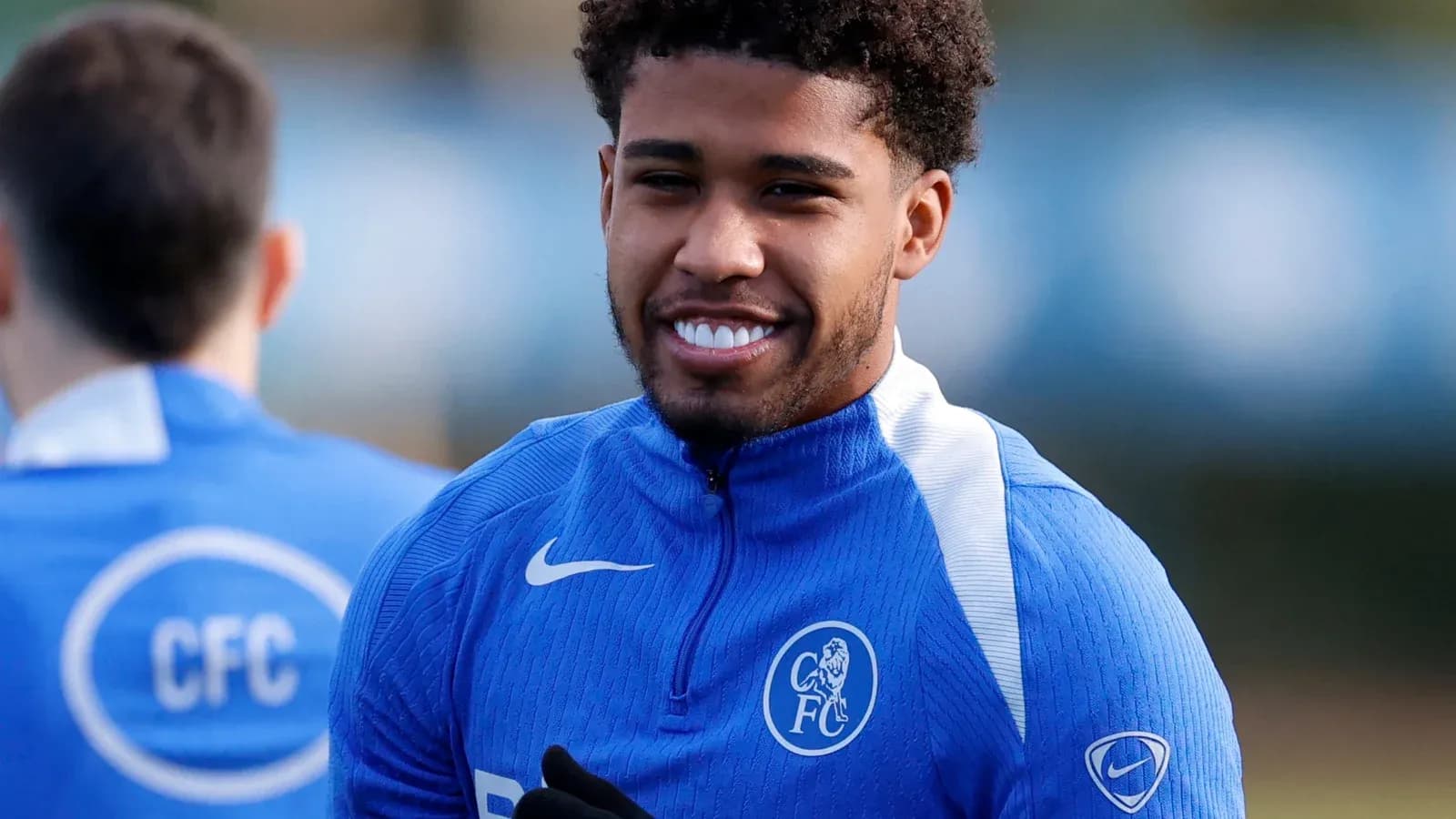
James McAtee knows that feeling all too well.
Forest spent around £30m to prise the former England U21 captain away from Manchester City in the summer of 2025, a bold move for a club still stabilising in the Premier League. On paper, it looked like a statement: a gifted playmaker from one of Europe’s great academies, ready for a bigger role.
Reality has been harsher. McAtee’s first season in the East Midlands yielded just one goal – a penalty in continental competition – and only 289 minutes of Premier League football. A talent used to having the ball in dominant City youth and senior sides suddenly found himself chasing shadows, fighting for scraps and, more often than not, watching from the bench while Gibbs-White ran the show.
Walker recognises that adjustment all too well. “Any move is difficult,” he said. “It's always easier when you're Manchester City, primarily they've got the ball for 70% of the time. So, if you're getting your lines, it's easier to look more comfortable than when you've got to work to get it and the ball's missing you out.
“Sometimes the ball's at 50-50 and you're getting kicked up in the air, and Forest are just trying to stay in the game.”
The contrast is stark. At City, McAtee could float between the lines, secure in the knowledge that possession would return within seconds. At Forest, there are long spells without the ball, long spells without influence. For a young creator, that can feel like a different sport.
“So, it is difficult,” Walker continued, “but the following year you've got to find a way of stamping your authority on a game of football. You've got to make a difference to a football match. And so far, he hasn't made a big enough difference to warrant his place.”
That is the challenge facing McAtee as 2026-27 looms: force his way into a team built around a player who already has the keys to the kingdom. For Gibbs-White, the question runs in the opposite direction. Can Forest’s ambitions, under Glasner and Marinakis, grow quickly enough to keep pace with a No.10 who already carries himself like he belongs on the biggest stages?
One is fighting to be noticed. The other is fighting to prove he does not need to leave to be seen.