Mohebi's Celebration Controversy After Iran vs New Zealand Draw
In a World Cup already thick with political tension, a 64th-minute equaliser from Mohebi should have been remembered for what it was: a crucial goal that kept Iran’s campaign on track in Group G. Instead, it lit the fuse on a fresh controversy.
His finish secured a 2-2 draw against New Zealand, a result that steadied Team Melli after a shaky start. Then came the celebration.
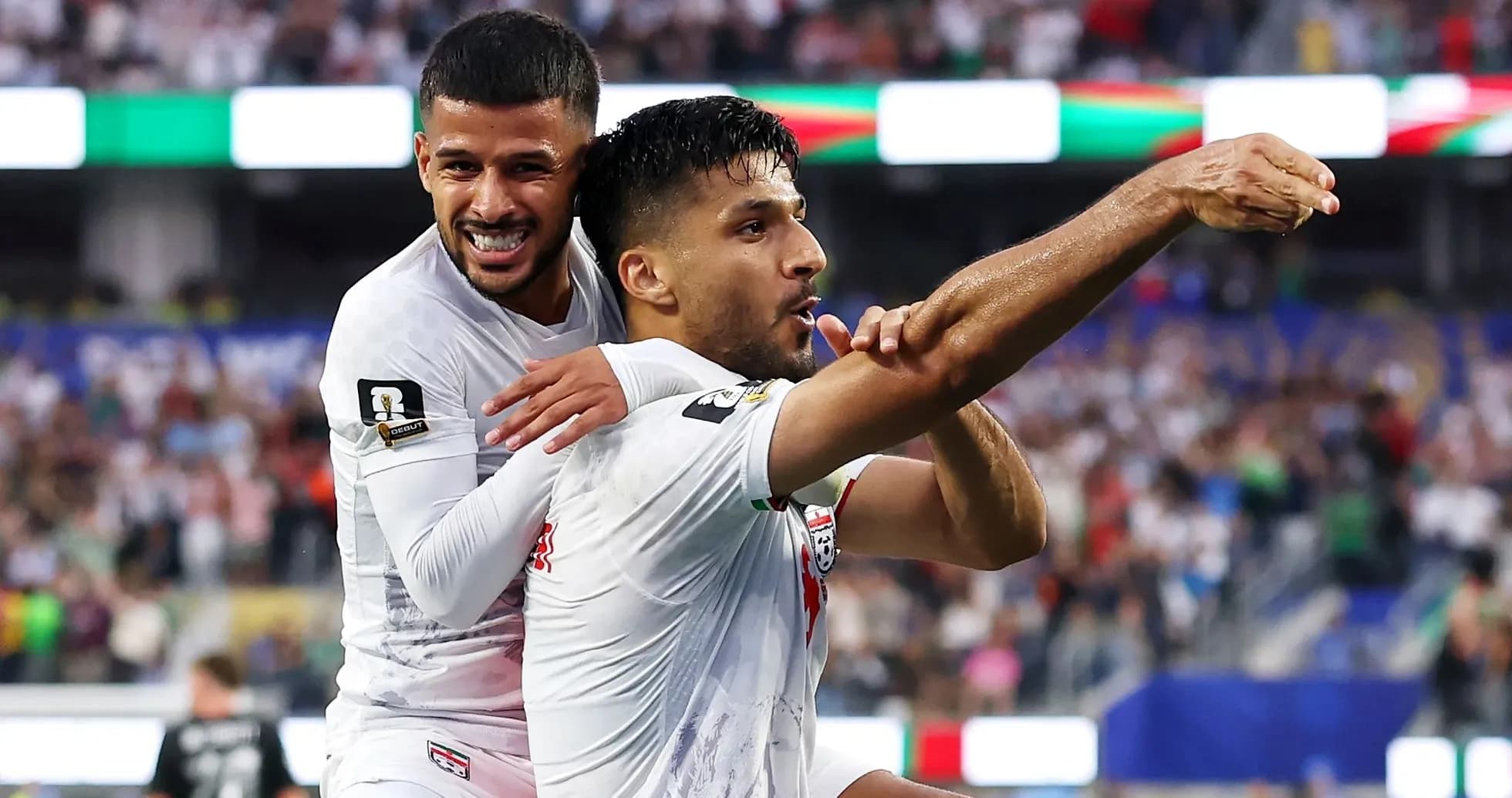
Mohebi pointed two fingers to his arm, then extended two fingers on his right hand and sliced them through the air. Within seconds, screenshots and clips flooded social media. The routine was swiftly framed by many observers as a “gun” gesture, and the debate took off.
In a tournament where every Iranian gesture, word and symbol is being scrutinised, this one travelled fast. Supporters, pundits and activists began calling on FIFA to step in, arguing the celebration carried a message that went beyond football.
Mohebi pushed back. For him, he insisted, it was nothing more than an emotional thank you to a far‑from‑home fanbase.
“I wanted to say thank you to all Iranians who live in Los Angeles, they make a great atmosphere,” the 27-year-old said. “The celebration came to mind, and I do this [gestures] for all of the fans, just a celebration, you know.”
He framed it as spontaneity, not symbolism. But by then, the images had already taken on a life of their own.
The spotlight only intensified when teammate Rezaeian walked through the mixed zone. The defender had produced his own eye-catching celebration after scoring: pulling his shirt over his face as he sprinted towards the supporters. That, too, drew immediate questions.
Pressed on what it meant, Rezaeian did not pretend it was empty theatre.
“It's something political (his goal celebration), I don't want to talk about that,” he said, acknowledging a deeper layer while refusing to peel it back. He then tried to slam the door on the subject. “We are here to answer football questions. If there is a problem between us (the Iranian people), it is between us.”
One celebration denied any political intent, another openly linked to it but left unexplained. Together, they fed the sense that Iran’s World Cup story cannot be separated from the turmoil surrounding the country.
FIFA has been approached for comment on Mohebi’s gesture, and the governing body now faces a familiar decision: whether to treat these moments as personal expressions or as potential breaches of its regulations on political messaging. Any move to investigate would drag Iran’s squad even deeper into a global argument they say they are trying to keep at arm’s length.
While the off-field noise swells, the calendar does not pause. Iran’s next assignment comes against Belgium in Los Angeles on June 21, a fixture that already looked pivotal for their hopes of escaping Group G.
Now it carries an extra question: can Team Melli keep the conversation on the pitch, or will every goal they score in this World Cup come with a political aftershock?