Mikel Arteta's Bold Goalkeeper Decision Defined Arsenal's Title Win
Mikel Arteta’s title-winning season will be remembered for a lot of things: the relentlessness, the control, the cold efficiency of a team that finally went the distance. But at the heart of it sits one decision that split the fanbase and ultimately defined Arsenal’s new edge.
He changed his goalkeeper when he didn’t have to.
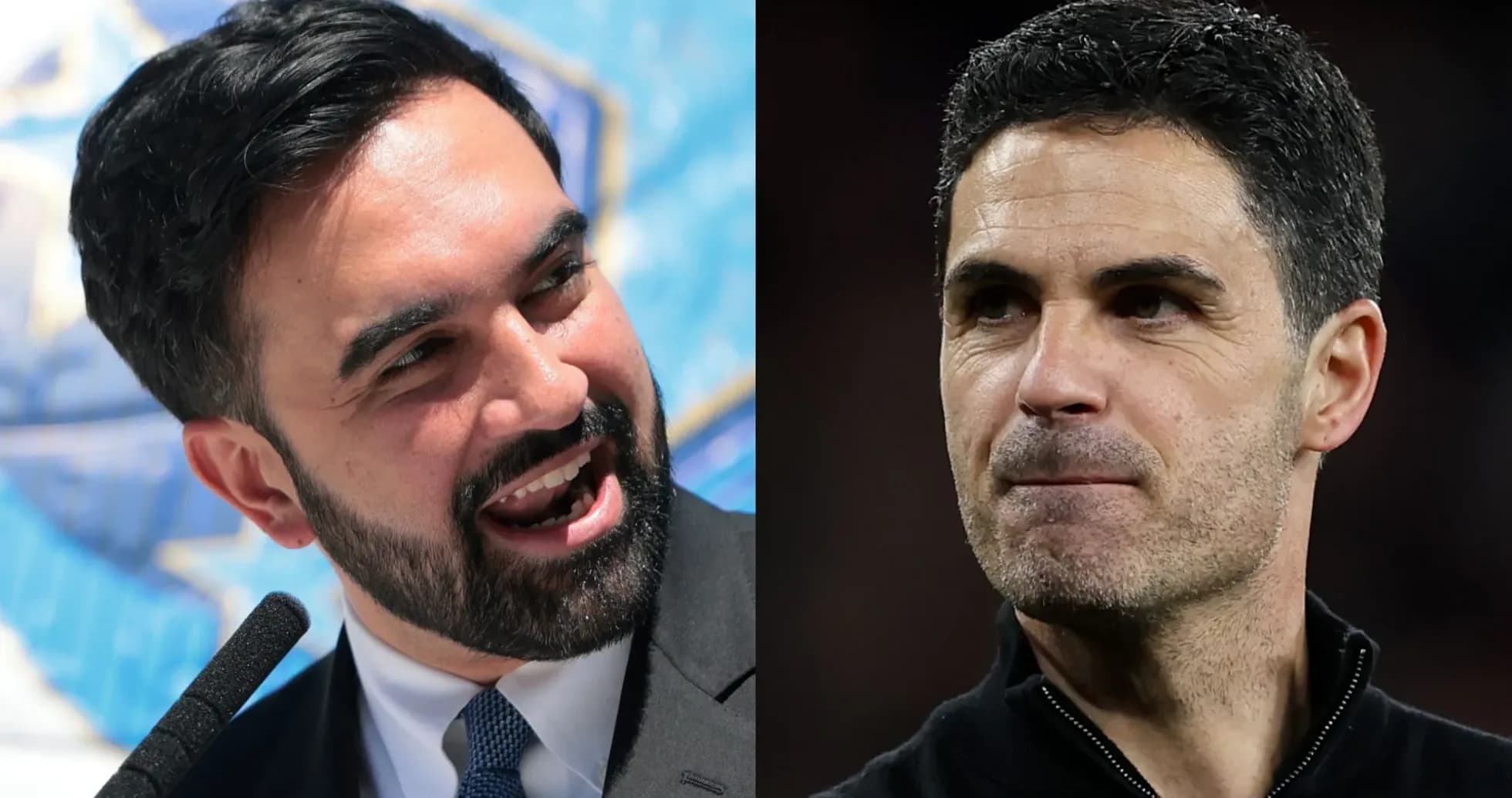
Speaking to GQ Magazine, politician and Arsenal supporter Ali Milani Mamdani admitted he was among those who recoiled at the call. He loved Aaron Ramsdale. Many did. Ramsdale was loud, charismatic, a visible heartbeat of the dressing room and a terrace favourite. He had done little, in the eyes of most supporters, to deserve losing his place.
“I was initially sceptical — I was even opposed — to the idea of moving Ramsdale out as our starting keeper,” Mamdani said. The move for David Raya felt ruthless. Unnecessary. “He was a fan favourite, he was good, and the ruthlessness required to sign Raya, and then bring him into that starting position when it wasn't a crisis — to me, that is also the marker of someone who is unsatisfied with competing and wants to win… If your ambition is to go beyond, then this is also the kind of decision that you have to be willing to make.”
That, in essence, is Arteta. Not content with being close. Not satisfied with a keeper who was “good” when he believed there was a different profile out there who could tilt the margins even further in Arsenal’s favour.
The shift started early in the 2023–24 season. Raya arrived from Brentford with a reputation as a technically polished goalkeeper, comfortable under pressure and composed with the ball at his feet. Arteta didn’t wait for a crisis or a high-profile Ramsdale error to make his move. He simply promoted the new man.
Ramsdale, the face of Arsenal’s resurgence under Arteta, found himself on the bench. Within a year, he was gone, sold to Southampton for £25 million in August 2024. For many English fans, it felt brutal. For some, it felt wrong.
The debate raged. Ramsdale was widely viewed as the better pure shot-stopper, the man you trusted in a one-on-one or a frantic goalmouth scramble. Raya, by contrast, was seen as the riskier option: excellent with his feet, able to help Arsenal build play from the back, but prone to the occasional lapse that fed the narrative of an “error-prone” modern keeper overcomplicating a simple job.
Every misplaced pass, every nervy touch, every spill was seized upon. Did Arteta overthink it? Had he sacrificed reliability for aesthetics?
Then came the numbers. And the trophies.
Raya settled, the back line tightened, and Arsenal’s defensive structure hardened into something close to impervious. The Spaniard finished the league campaign with 19 Premier League clean sheets, equalling David Seaman’s historic club record. That isn’t just a statistic; at a club like Arsenal, it is a statement. Seaman’s name is woven into the mythology of the Highbury years. To sit alongside him in the record books is to be taken seriously, regardless of how you arrived.
Behind that defensive steel, Arsenal finally broke their long domestic drought. Twenty-two years after their last top-flight crown, they claimed their 14th league title, finishing seven points clear of Manchester City. Not edging them. Beating them with room to breathe.
In that context, the goalkeeper gamble no longer looks like a gamble at all. It looks like the kind of hard, unpopular decision that separates managers who build good teams from those who build champions.
Mamdani’s reflection captures the shift in mood among many who once doubted. What felt like needless ruthlessness now reads as elite clarity. Arteta wasn’t just managing sentiment; he was managing standards. He wanted a squad built not on comfort, but on constant pressure from within.
Ramsdale’s departure to Southampton for a substantial fee underlines the cost of that approach. A popular, capable keeper moved on in his prime because the bar had been raised again. No crisis. No public fallout. Just a manager convinced that “good” was no longer enough for where Arsenal wanted to go.
The Premier League title, the clean-sheet record, the seven-point cushion over City — they all form part of the same story. Arsenal did not stumble into their new era. They chose it, piece by piece, decision by decision, even when it meant tearing at the emotional fabric of the squad and the fanbase.
And at the centre of it all, one bold call in goal became the clearest sign that this version of Arsenal is prepared to live with discomfort if it leads to days with silverware in their hands.