Memorable Moments of the World Cup: Messi, Goals, and Breakout Stars
Lionel Messi bent the World Cup to his will one last time, but this tournament will be remembered for far more than the 39-year-old’s defiance of age.
It was a World Cup of outrageous goals, goalkeeping miracles, breakout stars and fallen giants, played out in a blur of colour from Mexico City to Miami, Philadelphia to Los Angeles. At its heart, as ever, were the moments that made press boxes gasp and stadiums shake.
Moments that stopped time
The catalogue of great goals from this tournament reads like a highlight reel that never quite comes up for air.
Messi’s strike against Cape Verde felt inevitable only after it hit the net. The reality was anything but simple. A difficult pass, taken on the run, tamed with a velvet touch. One more touch, barely any space, and the ball was guided, not thrashed, into the top corner. A finish of total control at full speed.
Then came the goal that almost sent Argentina home. Sidny Cabral, in extra time, edge of the area, right-hand channel. One swing of the right boot, a curling drive into the top corner that left Emiliano Martinez frozen. The clock said 103 minutes. The noise said disbelief. Cape Verde were level at 2-2 and the defending champions were staring at the abyss.
Kerim Alajbegovic’s solo effort for Bosnia-Herzegovina against Qatar belonged to a different category: the run you could see unfolding but still couldn’t stop. He weaved through challenges, carried the ball with purpose, then lashed a rising right-foot shot that screamed class.
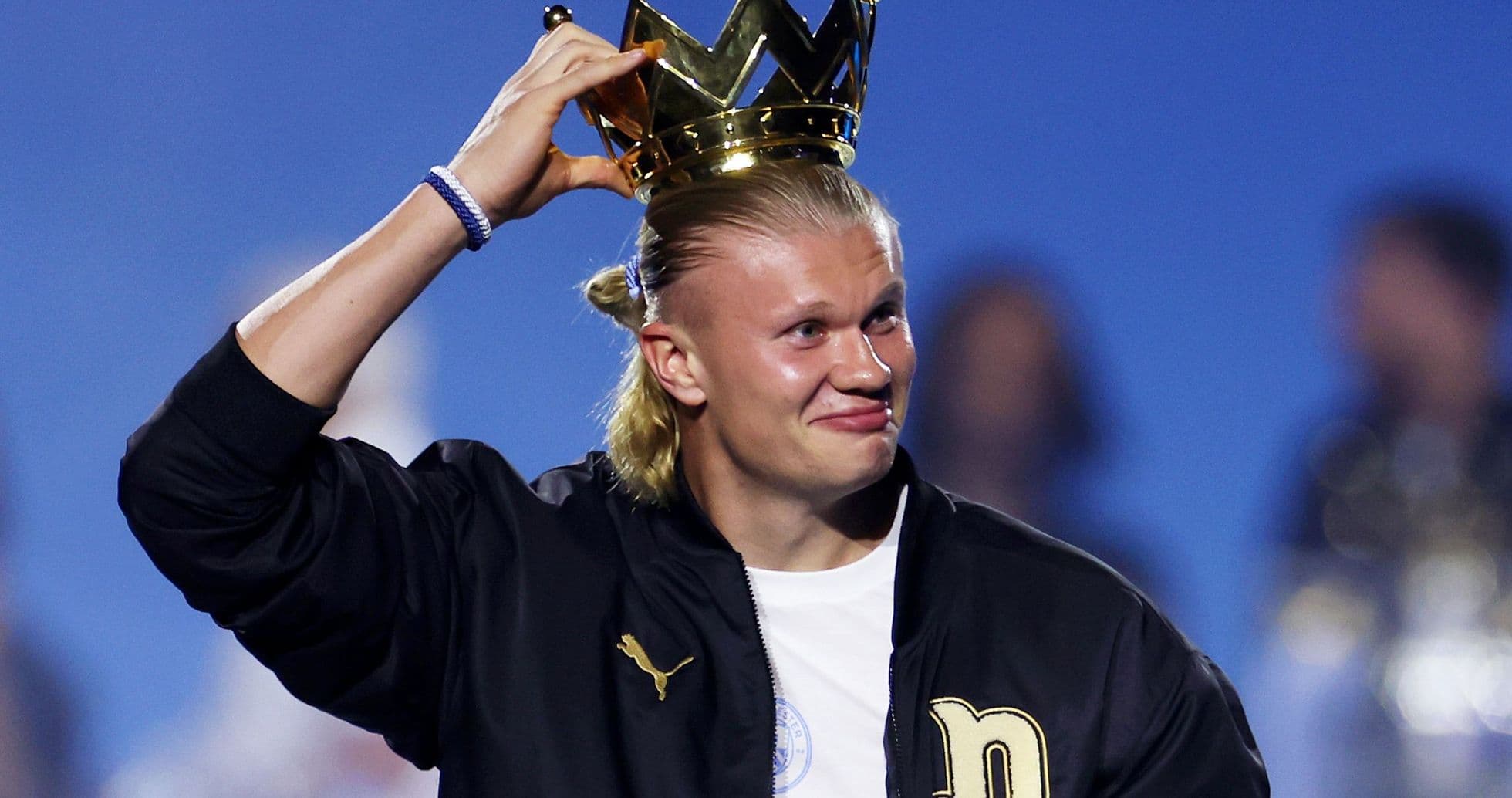
Erling Haaland’s winner for Norway against Brazil in the last 16 looked like a casual swing of his right boot. It was nothing of the sort. The finish was brutally precise, hit with astonishing power, the sort of strike that makes a net look flimsy. One moment of ruthless clarity to crown a match-winning performance and send Brazil out.
Argentina’s tight quarter-final with Switzerland needed something special to crack it open. Julian Alvarez obliged. Extra time, long range, a swerving right-footed drive that flew into the top corner. A player too often labelled “underrated” delivered a goal that no one inside the stadium will underrate again.
Antonio Nusa’s opener for Norway against Ivory Coast was all about deception and detail. A little shimmy in the area, a feint to lose his marker, then a precise curling finish into the top corner. Nothing wild, nothing snatched. Just perfection.
Keepers who refused to be beaten
The outfield players wrote the headlines, but the goalkeepers kept dragging the script in new directions.
Johny Placide produced a double save for Haiti against Morocco that felt impossible in real time. First with his legs, then – as the ball seemed destined to be turned in – a one-handed stop low to his left, his reactions bailing out a defence that had already been beaten twice.
At the Azteca Stadium, Jordan Pickford built the platform for one of England’s great World Cup wins, away to Mexico in their own cathedral. Early in the game, Raul Jimenez rose and seemed certain to score with a downward header. Pickford plunged low to his left and clawed it away. A crucial moment, a statement that England would not be overwhelmed.
Orjan Nyland’s best save in Norway’s win over Brazil did not even come from a Brazilian. Kristoffer Ajer diverted the ball towards his own goal and Nyland had to scramble backwards, twist, leap and somehow turn it against the post. It was anticipation, agility and sheer refusal to concede, all in one contorted movement.
Aymen Dahmen did something similar for Tunisia against Japan, reacting to a close-range effort from Takehiro Tomiyasu that seemed certain to cross the line. The ball did everything but go in. Dahmen’s reactions kept it out.
Patrick Beach, for Australia against Turkey, produced a classic World Cup image: a full-stretch dive to his right, fingertips brushing Abdulkerim Bardakci’s rising 30-yard shot on to the post. A save that changed the direction of a group.
Alireza Beiranvand’s best moment for Iran came in chaos. He could not reach Kevin de Bruyne’s initial effort for Belgium, yet somehow recovered his position in time to repel Maxim de Cuyper’s shot from inside the six-yard box. It was instinct and recovery, pure and simple.
The kings of the tournament
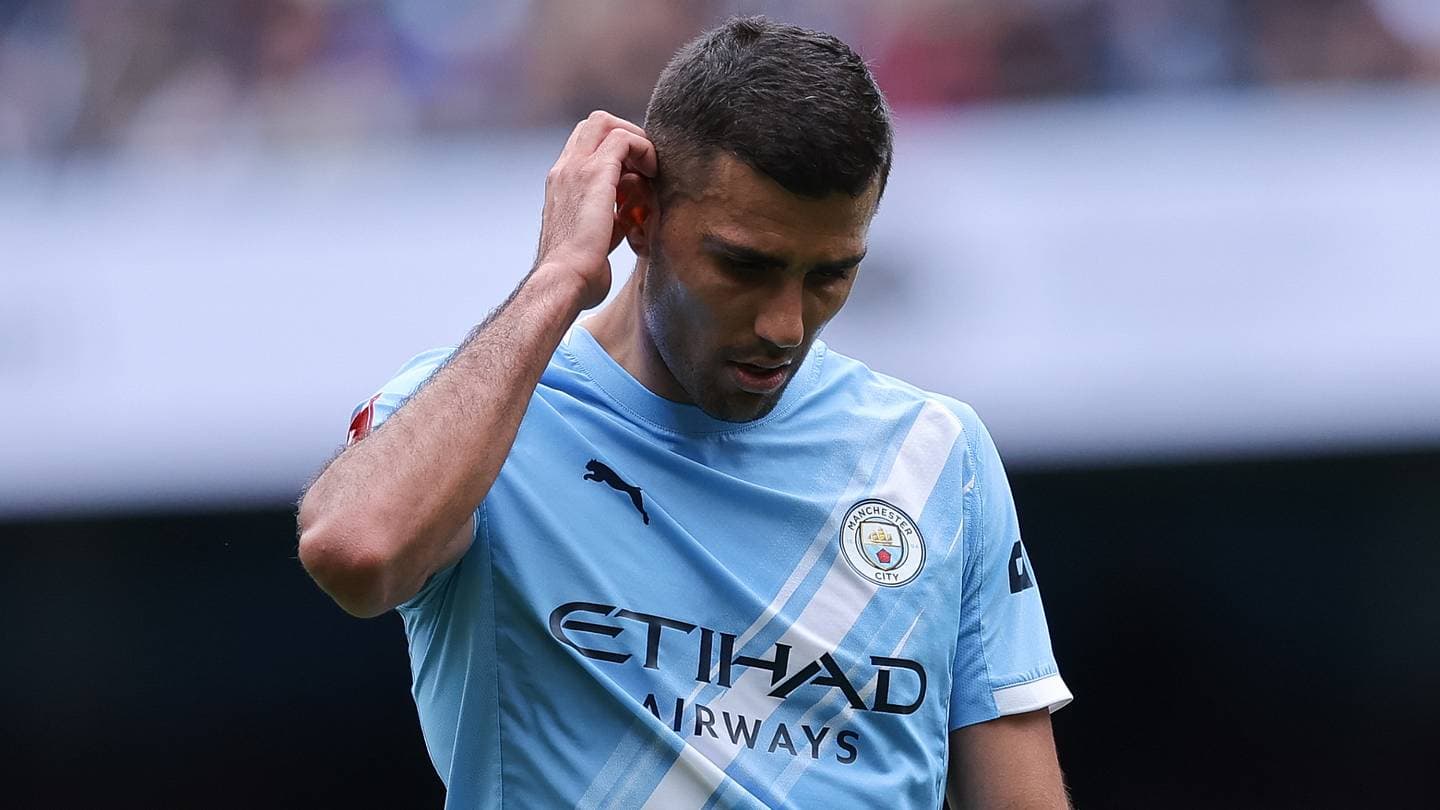
Fifa’s official verdict crowned Spain captain Rodri as the World Cup’s best player. He took the Golden Ball, the metronome and shield at the heart of a side that conceded only one goal all tournament. He was, as he is for Manchester City, irreplaceable.
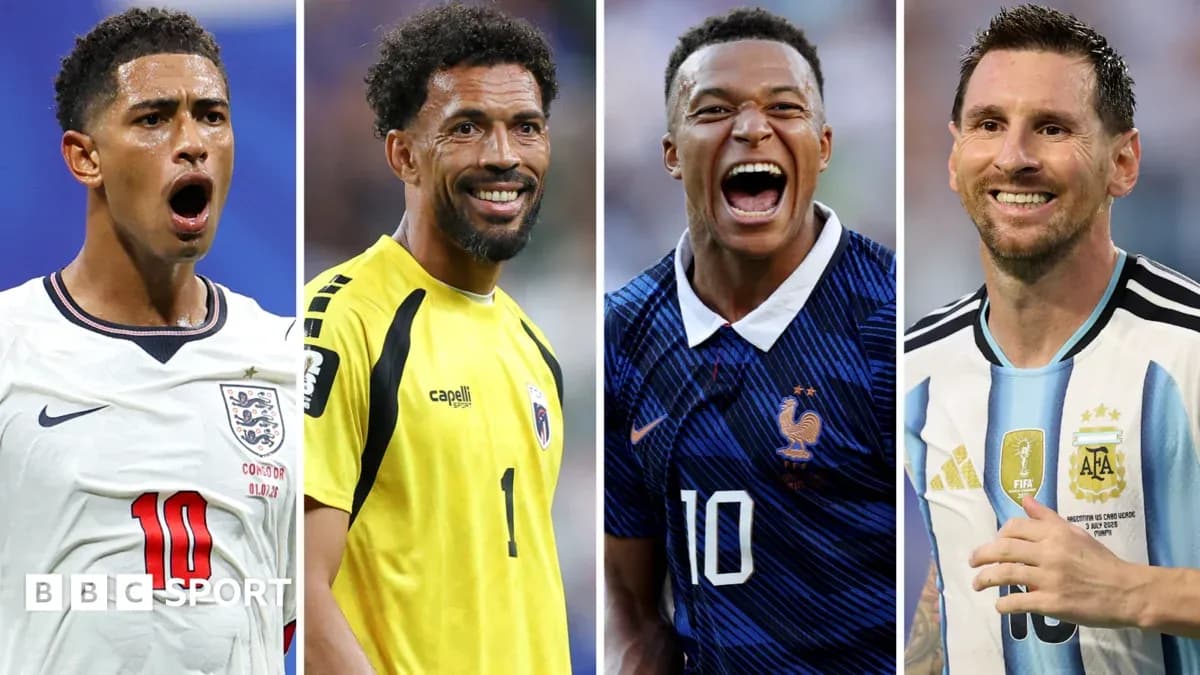
Messi took the Silver Ball and Kylian Mbappe the Bronze, fitting recognition for a trio that defined the era and still shaped this tournament.
Rodri’s case was built on control and consistency. Messi’s was forged in moments when Argentina wobbled and needed a conductor. Against England in that wild semi-final, he slowed the game, sped it up, and pulled strings with the calm of a man who has seen every scenario football can offer.
Mbappe arrived in the United States looking like a man ready to own the stage. In front of the microphones he was relaxed, confident, determined. On the pitch, that carried through: great goals, visible leadership, more defensive work than ever, and the same flair under pressure that has become his trademark.
For England, Jude Bellingham played like a force of nature. The Real Madrid midfielder dragged his country through games by sheer will, then elevated his level as the stakes rose. His equaliser against Norway in the quarter-final, just as their fans taunted England with “you’re going home”, summed him up: timing, temperament, and total belief.
Others pushed their way into the conversation. Michael Olise left the tournament with seven assists for France and a scissor-kick against Sweden that rattled the post and the press box in equal measure. Rodri’s excellence for Spain drew universal praise. And through it all, Messi, at 39, kept bending logic, and defying age, to reinforce his claim to be the greatest.
Spain’s 19-year-old centre-back Pau Cubarsi, who played every minute of their campaign, took Fifa’s award for best young player. He anchored a defence that gave up just a single goal and looked like he had been there for a decade.
New names on the world stage
Cubarsi wasn’t alone in announcing himself.
Morocco’s Ayyoub Bouaddi stepped out from Ligue 1 into the glare of the World Cup and never flinched. Against Brazil at the New York New Jersey Stadium, his movement drew the eye even when the ball was elsewhere. Comparisons with Patrick Vieira and Luka Modric are heavy, but his intelligence on and off the ball invited them.
Erling Haaland hardly fits the classic “breakout” label, yet his impact in the US turned him into a household name in homes that had never watched the Premier League. This tournament pushed his profile into another stratosphere.
Cape Verde’s 40-year-old goalkeeper Vozinha became an unlikely global star. He opened his World Cup with seven stunning saves in a 0–0 draw with Spain, then finished it with eight more as Cape Verde dragged Argentina to the brink of elimination. His heroics turned him into a cult figure; his Instagram following exploded from around 50,000 to more than 29 million.
For the USA, full-back Alex Freeman emerged as a rare bright spot in a campaign that ended in the last 16. His displays were so impressive that Mauricio Pochettino publicly suggested he could become one of the best in the world in his position.
Switzerland’s Johan Manzambi played with a smile and the swagger of someone who did not understand the concept of stage fright. Three goals in four games, entertainment every time he touched the ball, and a Premier League move to Aston Villa for around £50m already secured, even though injury cut his World Cup short.
Mexico’s 17-year-old midfielder Gilberto Mora went from unknown to indispensable, forcing his way into the starting XI and playing with the poise of a veteran. The comparisons with Modric will follow him for years.
Nights and goals that will live forever
Ask those who were there, and one night keeps coming back: Mexico v England at the Azteca. A stadium steeped in World Cup history delivered again. The atmosphere was an assault on the senses, the Mexican anthem a roar that shook the concrete. For some who have covered seven World Cups, it was the best they have ever felt.
Elsewhere, the human stories carried as much weight as the football. In Boston, after Paraguay stunned Germany in one of the most dramatic penalty shootouts the World Cup has seen, fans streamed out in tears and disbelief. A father and son draped in Paraguay flags called it the best day of their lives. For them, that night will always be football’s peak.
On the pitch, Messi’s opening hat-trick of the tournament set the tone. Any talk of a gentle farewell disappeared the moment the ball hit the net for the third time. He was not here for a lap of honour. He was here to win again.
Sidny Cabral’s 103rd-minute equaliser against Argentina, already etched into World Cup folklore, was the moment this expanded format truly justified itself. Cape Verde, the smallest nation ever to reach the knockouts, dragged the champions into deep water. Cabral’s strike from the edge of the box sent the stadium into shock. Argentina eventually scraped through 3-2, but that goal became an instant classic.
The USA’s early promise, the tailgate parties, the wave of optimism – all of it crashed into controversy around Folarin Balogun and a limp exit to Belgium. The host nation’s story ended with a whimper.
On the road, the World Cup felt like a travelling carnival. Reporters criss-crossed six cities, shared beers and sausages from the back of pick-up trucks in Philadelphia, posed for selfies with fans who only wanted one question answered: “Is it coming home?”
The giants who fell short
Some of the biggest names never got close to matching the noise around them.
Brazil, under Carlo Ancelotti, trudged through the tournament. Slow. Uninspired. Un-Brazilian. Every flaw was exposed when Norway deservedly knocked them out in the last 16. The expectation of a deep run dissolved in a single, blunt performance.
Senegal arrived with arguably the most talented squad in their history. Off-field issues and a poor environment undermined them. At 2-0 up against Belgium in the last 32, they looked ready to salvage something. Tactical errors and bad game management turned a statement win into a painful defeat. A gifted generation left with regret.
Scotland’s failure to sneak into third-place qualification stung. The wait for confirmation over the following days only deepened the frustration.
Portugal, with Cristiano Ronaldo still at the centre, went out with barely a murmur. Tipped as contenders, they fell 1–0 to Spain in the last 16. Ronaldo scored three in five, but the team never hit the level many expected.
The USA rode a wave of home support, then saw it crumble. Belgium ended their run and the mood turned from hope to inquest.
France saved their worst for last. In the semi-final against Spain, a star-studded frontline floundered, the performance flat, the threat minimal. Spain were fancied by some, but few expected France to go out with so little fight.
Even the venue for the final drew criticism. MetLife Stadium in New Jersey, huge but detached, expensive and awkward to reach, felt like a logistical grind compared with more accessible, fan-friendly options such as Philadelphia.
The fans who owned the World Cup
If the football provided the drama, the fans supplied the soul.
Mexico’s support lit up this World Cup. Their passion was relentless, their warmth disarming. In Mexico City, the night before they faced England, a restaurant MC asked where visitors were from. When “England” was announced, the room broke into spontaneous applause. On matchdays, the Azteca became the beating heart of the tournament.
Curacao’s followers in Philadelphia defied logic. A nation of 150,000 sounded like a country ten times that size. Brazil’s travelling support, as always, turned cities into carnivals. Philadelphia felt like Rio or Sao Paulo for two days when they were in town.
Colombia’s fans turned Arrowhead Stadium in Kansas City into a party when they faced Ghana, drums and colour transforming the concrete bowl into a slice of Barranquilla.
Norway’s supporters gave the World Cup its viral soundtrack. The Viking row – fans in red shirts, sitting in lines, rowing in rhythm – swept from stadium to stadium. After matches, the players joined in from the pitch, thousands moving as one. In Miami, as Norway led England 1-0 in the quarter-final, they chanted “You’re going home, you’re going home, England’s going home.” Moments later, Bellingham equalised. The song died in their throats, but the spectacle endured.
In Los Angeles, Mexico’s presence was impossible to ignore. Fireworks crackled after wins, green shirts flooded the streets. The city sounded like a permanent goal celebration.
Argentina’s support matched anyone, in both scale and intensity. Twice, in Miami and Kansas City, more than 60,000 of them turned stadiums into travelling home ends. They sang without pause, their devotion wrapping around a team still led by Messi.
And in the Azteca, again, Mexican fans offered something beyond noise. They offered a sense that this World Cup, scattered across a continent, had found its true centre in one heaving, historic bowl.
By the end, the numbers told one story: Rodri’s Golden Ball, Messi’s Silver, Mbappe’s Bronze, Cubarsi’s young player award. The memories told another: of Cabral’s thunderbolt, Vozinha’s defiance, Haaland’s ruthlessness, Bellingham’s timing, and fans who turned American stadiums into fragments of Mexico City, Oslo, Buenos Aires and beyond.
The next World Cup will bring new stars and new shocks. The question now is simple: how many of those who lit up this one – from a 40-year-old goalkeeper to a 17-year-old playmaker – are just getting started?