Matthias Ginter Reflects on Heartbreaking May 2026
Matthias Ginter still remembers the exact dates. 20th and 21st May 2026. Two days that tore a hole in a season that was supposed to define his late prime.
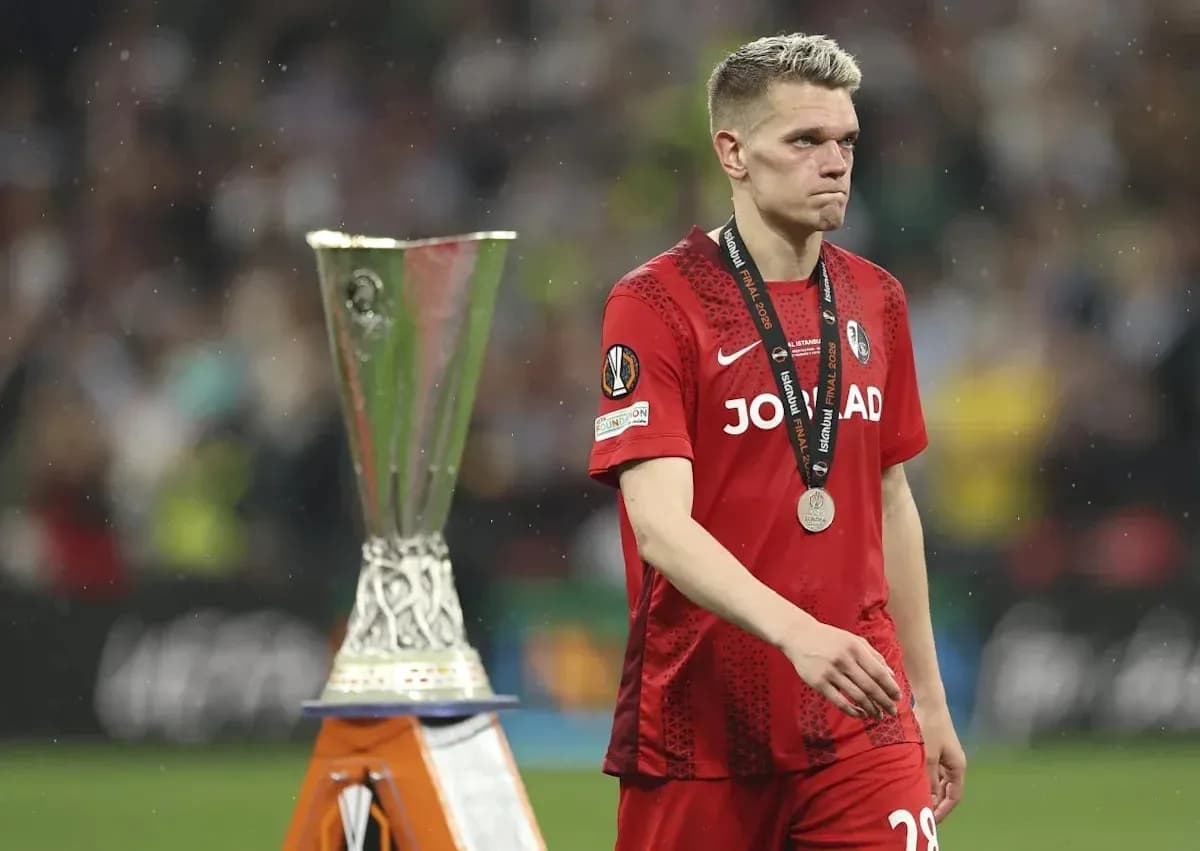
On the Thursday night, he walked off the pitch in Dublin having given everything for SC Freiburg, only to watch Aston Villa lift the Europa League trophy. Twelve hours later came the second punch: Julian Nagelsmann’s World Cup squad announcement. His name was not on it.
For a player who had been the backbone of Freiburg’s run on all fronts, it cut deep.
"It was the bitterest time in my career. A double blow at the end of an actually very special season," Ginter told Kicker. At 32, he had just produced one of the most complete campaigns of his career, marshalling a Freiburg side that had pushed beyond its limits in Europe and at home. When Germany’s squad list dropped, the expectation in many quarters was that his experience and form would be rewarded.
Nagelsmann thought otherwise.
The decision itself hurt. The way it was handled seems to have stung even more. Ginter did not hide his frustration at the lack of direct communication from the national coach and hinted at a longer-running tension.
"I don't want to talk about the way it generally went down for three years (with Nagelsmann). There were published leaks, but I was only informed of the decision on Thursday, the day of the nomination."
For a 2014 World Cup winner, even one who did not play a single minute in Brazil, the omission carried a different weight. Back then he was the young squad player, a symbol of the future. In 2026, he was supposed to be the finished article, the reliable defender you take to a tournament because he has seen everything.
At first, he tried to process it like any other setback. Professional, composed, pragmatic. The real impact arrived later.
"It was only with the opening match of the World Cup that I became really aware of it. And, because it was a package, the disappointment of losing the Europa League final came back again."
The television coverage, the anthems, the first tackles of the tournament – that was when it crystallised for Ginter: the World Cup was happening without him, just hours after a European final had slipped away. Two of the biggest stages in the game, both out of reach in the space of a single, brutal weekend.
For most players, such days either break you or harden you. Ginter has already lived both sides of the World Cup story: a medal in his pocket in 2014, a painful absence in 2026. How he uses that contrast in the final years of his career will say as much about him as any trophy.