Marc Skinner Leaves Manchester United Amid WSL Turmoil
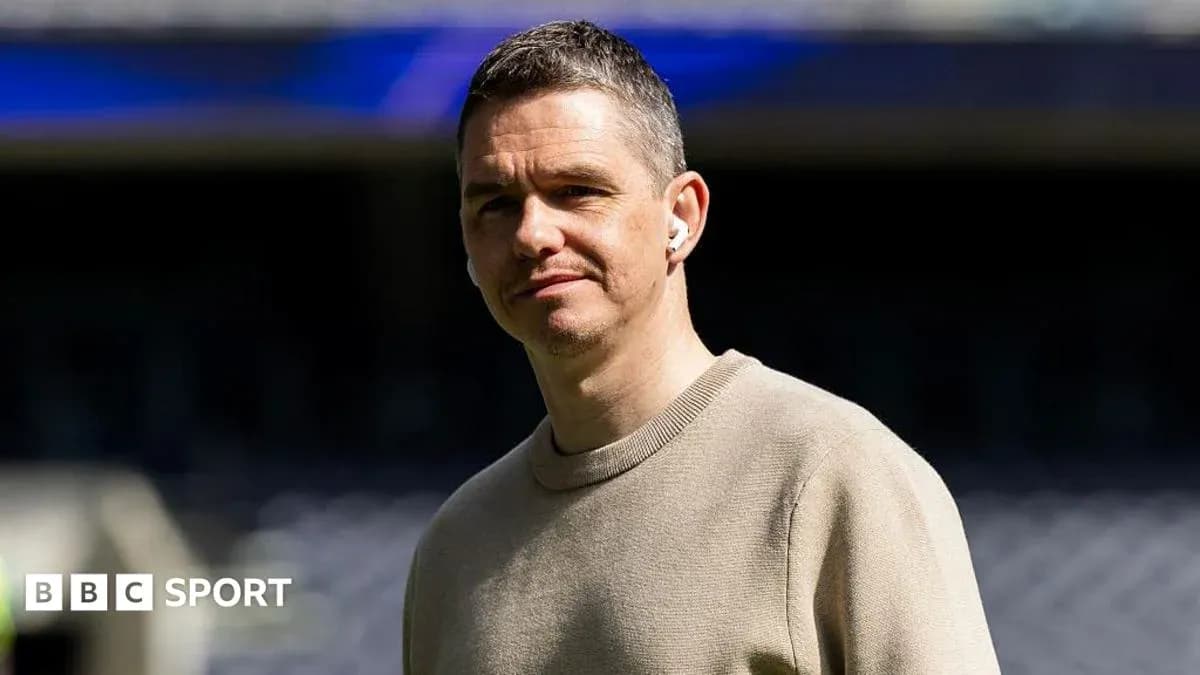
Manchester United will start the new Women’s Super League season without the manager who delivered their first major trophy. Marc Skinner has stepped down a month before a ball is kicked, leaving a club already under scrutiny facing even sharper questions about its direction.
The 43-year-old walks away after five years in charge, a tenure that dragged United into the elite conversation and then stalled just as rivals began to accelerate. He leaves as the coach who brought the Women’s FA Cup to Old Trafford in 2024, but also as the man who grew increasingly vocal about what he saw behind the scenes: not enough investment, not enough backing, not enough to keep pace.
A landmark era ends
Skinner’s spell at United has defined the modern history of the women’s side. Under the former Birmingham City head coach, United reached the Women’s Champions League group stages for the first time last season, a clear marker of progress for a team still relatively young at this level.
They pushed deep into domestic cup competitions as well, finishing runners-up in three domestic cup finals during his reign. The FA Cup triumph in 2024 finally broke the silverware barrier and seemed to signal the start of something more sustained.
Instead, it now feels like the closing chapter of a particular project.
Frustration behind the scenes
Skinner’s exit does not arrive out of the blue. He had raised concerns over the lack of investment in the squad, and this summer has been conspicuously quiet for United while the rest of the league has moved aggressively.
United have shifted their recruitment strategy, focusing on younger players and talking about sustainable, long-term success. On paper, it is a logical approach. On the pitch, it risks leaving a team short of experience and depth in a league where the standard is rising fast.
Supporters have not missed the contrast. While United have tiptoed through the window, their rivals have gone bold. Manchester City, Arsenal and Chelsea have all added to their squads, reinforcing already powerful dressing rooms.
Even clubs outside the traditional title picture have made statements. London City Lionesses, United’s opening-day opponents on 4 September, have signed two-time Ballon d’Or winner Alexia Putellas. Tottenham have brought in Lyon defender Alice Sombath. These are the kind of signings that shift expectations and alter dressing-room belief.
United, by comparison, have offered a vision of the future and a promise of youth. For a manager demanding immediate tools to compete, that gap between ambition and action became harder to ignore.
A mutual parting, but a pointed one
Discussions between Skinner and the club took place over the summer. The outcome was a mutual agreement for him to leave his post before the new campaign begins.
The timing is brutal. United travel to London City Lionesses on 4 September (19:00 BST) with a major piece of their structure removed and a fanbase already restless. This is not the clean handover of a long-planned succession; it is a late reshuffle in a division where slow starts can be fatal.
Inside the club, the message is one of control. Sources say United are advanced in their search for a replacement, with background checks on candidates already completed. The profile is clear: the next head coach must have a track record of developing players, aligning with the club’s youth-focused recruitment strategy.
That requirement underlines the philosophical shift. United are doubling down on the idea of building from within, of sculpting a squad rather than buying one ready-made. It is a vision that demands patience from supporters and near-perfection from the next coach.
Carrington upgrade, transfer tension
Not everything points to retrenchment. The girls’ academy will train at Carrington, the club’s main training facility, this season, a move that should tighten the pathway from youth to first team and give young players access to elite-level infrastructure.
Yet the mood among fans is shaped less by training facilities and more by what they see on team sheets. As marquee names land elsewhere and United’s summer business remains modest, frustration has grown. The fear is simple: that a team which broke through to the top table is about to be nudged away from it by clubs willing to spend more decisively.
Skinner’s departure crystallises that anxiety. The coach who pushed United to trophies and European nights has decided he cannot, or will not, continue under the current conditions.
United now stand at a fork in the road. A new manager will inherit a squad built around potential, not star power, in a league where the margin for error shrinks every season. The club insists it has a plan and the right profile in mind.
The question is whether that plan can keep pace with a WSL that no longer waits for anyone.