Manchester United Women: A Shift in Priorities and Leadership
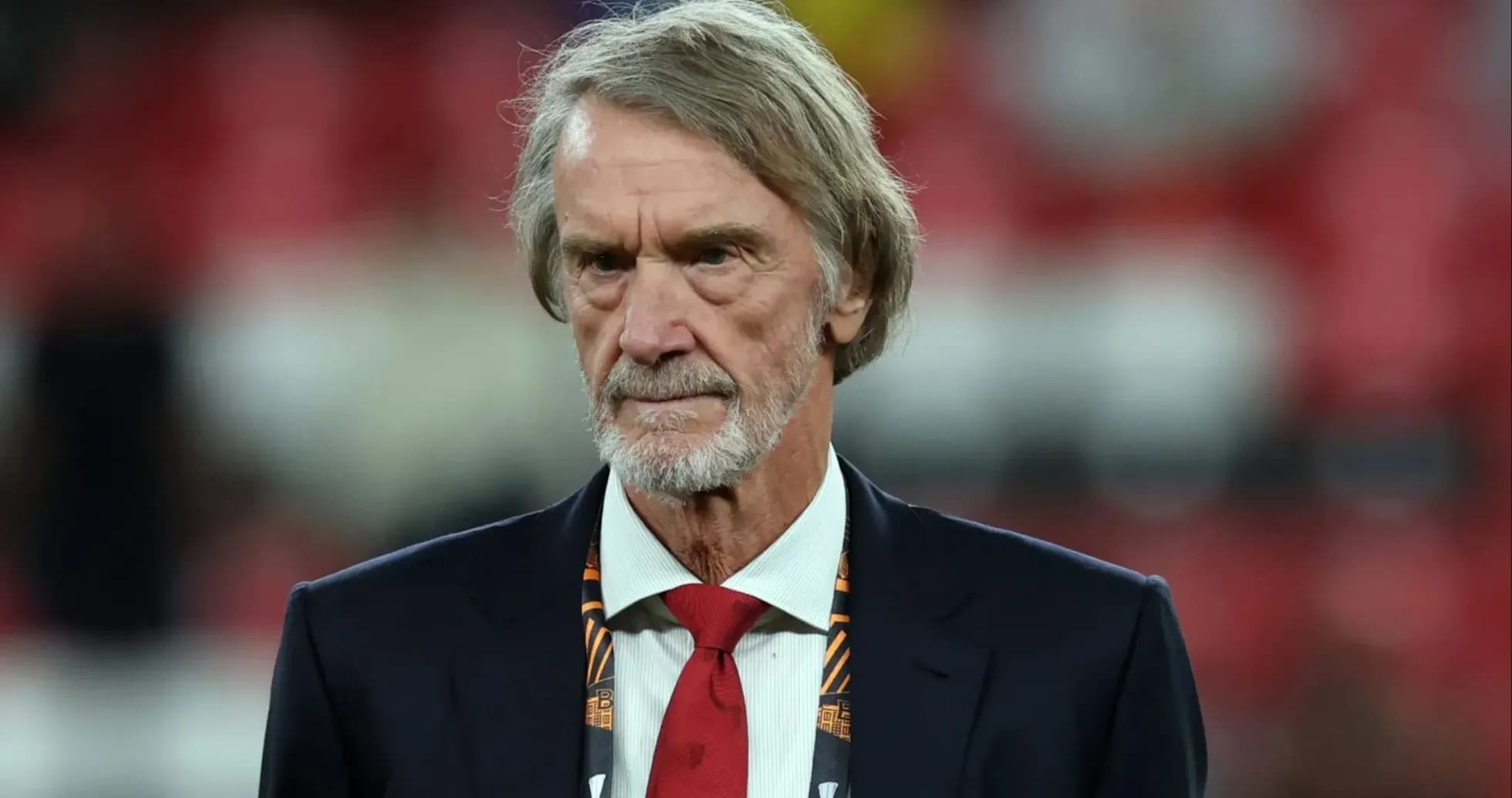
Jim Ratcliffe’s Manchester United revolution has a blind spot. And it wears red.
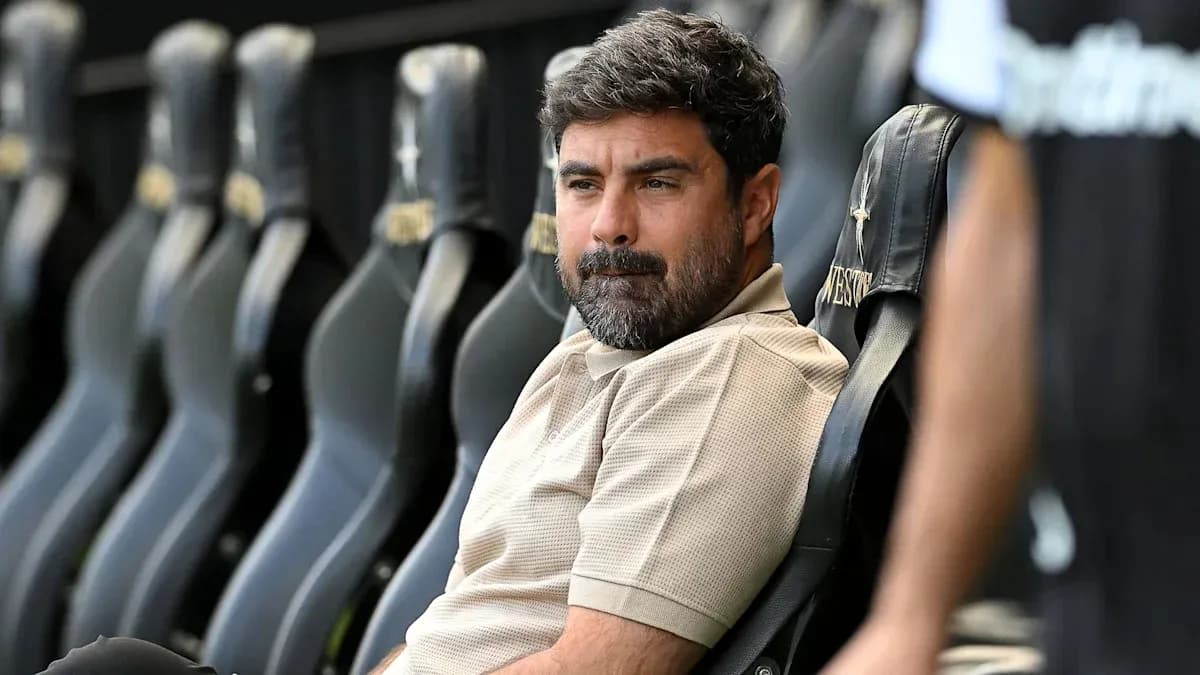
Marc Skinner’s departure, a month before a new WSL season, is not just a managerial change. It is a statement of priorities. Or a lack of them.
On the face of it, Skinner walking away sits in that grey area between shock and inevitability. As talkSPORT’s women’s football correspondent Angelina Kelly put it, it was “50-50”. The numbers say he did well. The context says he’d had enough.
Overachievement in a stacked deck
Skinner arrived into a league where Arsenal, Chelsea and Manchester City set the financial pace. He never got close to those budgets. Yet his Manchester United side still punched above their weight.
He delivered the club’s first major women’s trophy, lifting the FA Cup. He took United Women into the Champions League for the first time. His league finishes read like the steady climb of a project that should be backed, not starved: fourth, third, fifth, second, fourth.
By any neutral measure, that is overachievement.
But it was never a simple love story. United fans were often unconvinced. Kelly pointed out that “the fans weren’t his biggest fan”, with plenty of criticism over his tactical calls and selection decisions. United reached four domestic cup finals under him and won only one, losing the other three to Chelsea by an aggregate score of 6–0. Against the very best, the gap showed.
Still, those are the kind of frustrations you iron out with investment, not indifference.
A manager who saw the ceiling
Kelly likened Skinner’s exit to the Eddie Howe situation at Newcastle before the Saudi takeover: a respected coach hitting the limits of what the club is willing, or able, to do.
Within the women’s game, Skinner is well regarded. Former professionals speak highly of him. Kelly described him as “very polite, very respectful” in every interaction. This is not a manager storming off in a huff. It is a manager reading the room.
Last season exposed United’s soft underbelly. The squad lacked depth. They lacked big-game stars who can tilt tight contests. Key players were sold. Replacements didn’t arrive in the same volume or calibre. As this summer unfolded, the picture barely improved.
Skinner, looking at a thinner squad and another year of fighting with fewer tools than his rivals, appears to have decided his reputation was better served elsewhere. If the club will not match his ambition, why wait around to be the fall guy?
“The powers that be aren’t backing you,” Kelly said. In Newcastle’s case, there was an argument that the money simply wasn’t there. At Manchester United Women, the accusation is sharper: the money is there. They just will not spend it.
Ratcliffe’s words, Ratcliffe’s reality
That point lands harder because of who now holds the power at Old Trafford. Under INEOS, United Women looked, briefly, like they might be entering a new phase. Before Ratcliffe’s arrival in 2023, the club did spend: Geyse arrived for a then club-record fee, with Melvine Malard, Hinata Miyazawa and Irene Guerrero also added. It felt like a statement that United were serious about competing.
Then came the optics.
Ratcliffe drew criticism for comments that suggested the women’s side sat far down his list of priorities. Worse, on a visit to the training ground, he asked then-captain Katie Zelem what her role was at the club. For a man now effectively in charge of the entire football operation, not knowing the captain of your women’s team is more than a slip. It is a message.
Peterborough United chairman Darragh MacAnthony voiced the business reality on talkSPORT: the men’s side drives the vast majority of Manchester United’s global revenue. That is true. But Kelly’s response cut to the heart of it: when you do not even know your women’s captain’s name, it “is going to come across as a bit disrespectful.”
Other clubs with comparable ambitions and savvy owners have chosen a different path. Arsenal, Chelsea, Brighton and others are pouring money into their women’s teams without expecting an immediate profit. They see it as an investment in brand, in future revenue, in community, in the sport itself.
Kelly pointed to Tony Bloom at Brighton. Few would question his credentials as a shrewd, data-driven owner. Yet he is “pumping money into Brighton women” and building a stadium specifically designed for them. Not a bolt-on, not a token gesture. A dedicated home.
That is what long-term belief looks like.
United’s new “plan”: youth, or just cheap?
United’s summer has underlined the drift. While rivals move aggressively, United have retreated into a new narrative: sustainability and homegrown talent.
Lyon defender Alice Sombath has chosen Tottenham. London City Lionesses, who finished sixth in the Championship last season, have stunned the market by signing two-time Ballon d’Or winner Alexia Putellas. That is the scale of ambition elsewhere.
United, by contrast, have sold Malard to Chelsea for £850,000 and pivoted to a strategy built around academy and homegrown players. On paper, that fits Manchester United’s historic identity. In practice, Kelly suggests, it risks becoming a convenient cover story.
Sources, she said, claim the club believes current levels of spending on the women’s academy are not sustainable. So the club is leaning into the idea of youth development as a cost-control mechanism.
Kelly’s verdict is blunt: if you want to attract and develop young homegrown talent, you need something to show them. A pathway. A competitive squad. A sense that you are building towards something real.
Right now, United Women head into the new season with a handful of standout names and a lot of questions. Mary Earps has gone, but they still have a top-class goalkeeper. Maya Le Tissier is a superb captain and centre-back. Ella Toone is the club’s biggest star. Jess Park has impressed since arriving from Manchester City.
Beyond that spine, Kelly argues, “there is nothing else to show that they really care about this club” in terms of building a team capable of challenging Arsenal and Chelsea. While London City Lionesses are spending big to bring in global superstars, United are talking about sustainability.
So what is Ratcliffe doing? Is this a bold bet that he can out-think the rest of the league by going all-in on youth, that he is “smarter than the Arsenal owners, than Tony Bloom, than Michelle Kang”? Or is it simply a decision that the women’s side is not worth significant investment right now?
Kelly leans towards the latter possibility: “It’s not viable in Jim Ratcliffe’s mind at the moment, and he just wants to cast it to the side.”
A club playing catch-up with its own badge
The irony is painful. Manchester United’s women’s senior team has only existed in its current form since 2018. For years before that, talented young girls in the United system hit a dead end. There was no senior pathway. They had to leave.
Ella Toone is the perfect example. A lifelong United fan, she had to play her early senior football at Blackburn and Manchester City because Old Trafford simply did not offer a route through.
Now, with a senior team finally in place and a fanbase that has grown rapidly, the club risks repeating old mistakes in a new form: talking about development while underfunding the very structure that makes development meaningful.
Kelly admitted she “struggles to understand what the plan is at Manchester United.” For the youth system to be “so seamless” that it can compete with Arsenal and Chelsea, the club needs serious, consistent backing. Not slogans.
The numbers underline how small the ask really is. Kelly estimated that around £10 million would transform United Women’s competitiveness. In Premier League terms, that is less than Mason Mount earns in a year. You cannot simply cancel his contract and redirect the money, of course, but the comparison shows the scale.
This is not about hundreds of millions. It is about a relatively modest outlay to turn United Women into a side that can realistically chase trophies, Champions League football and global relevance.
Fans, players and a fragile bond
Modern fandom is fluid. Young supporters often follow players as much as clubs. Alessia Russo is a case in point. She built a following at Manchester United. When she moved to Arsenal, plenty of those fans shifted their focus with her.
If United stop competing for the biggest names, if they drift into mid-table obscurity while others make marquee signings, they risk losing not just matches but an entire generation of potential supporters.
To keep that connection alive, you have to offer something: big players, big occasions, a sense of theatre. A couple of standout names and a thin squad behind them will not hold a fanbase that has seen what top-level women’s football can look like.
Right now, United Women have a manager out the door, a squad that has been trimmed rather than strengthened, and an ownership group whose public actions and private calculations point in the same direction: the men’s side first, second and third.
The question is no longer whether Marc Skinner overachieved. He did. The question is what, exactly, Manchester United want their women’s team to be in this new era.
A flagship? A proving ground? Or an afterthought dressed up as a project?