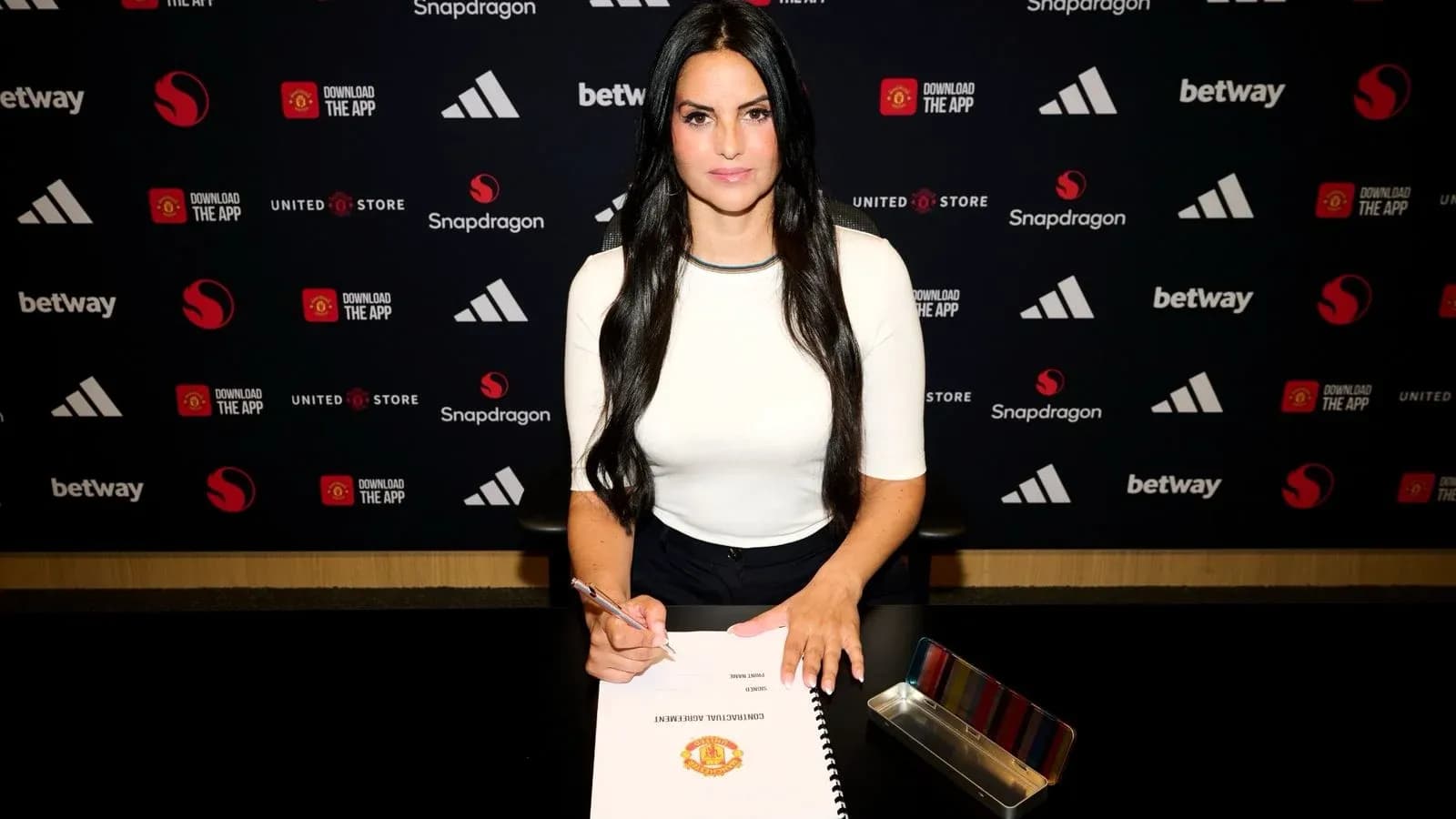
Manchester United Women Appoint Eva Olid as Head Coach
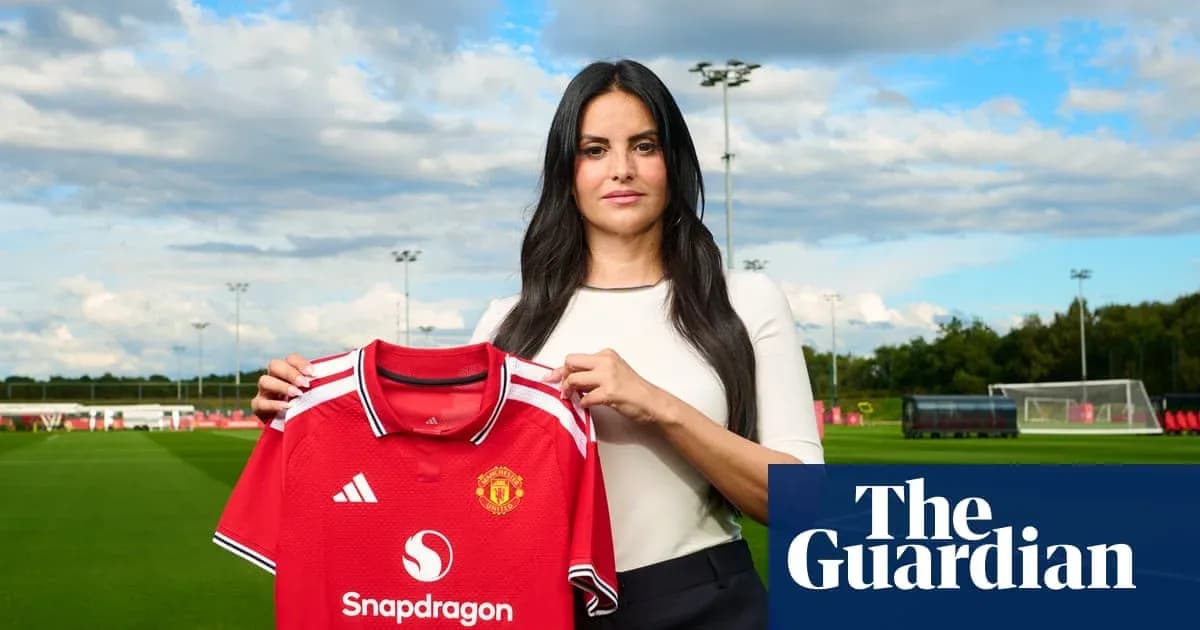
Manchester United Women have handed the reins to Eva Olid, betting on a title‑winning coach and a very different vision of success.
The Spaniard arrives from Hearts, where she dragged the Edinburgh club into uncharted territory: a first Scottish Women’s Premier League crown and a Scottish Cup final in 2024, all wrapped up before her mutually agreed exit at the end of last season. She spent five years there. She leaves with a trophy and a reputation for squeezing every drop out of a squad.
Now she walks into a club trying to redefine itself.
From Skinner’s near-misses to a new model
Olid replaces Marc Skinner, who left on Monday after five years in charge, his departure landing barely a month before United’s WSL opener against London City Lionesses on September 4. Skinner exits with history on his side: four finals reached, three in the FA Cup and one in the League Cup, and the club’s first major trophy in the 2023/24 season. He also took United into Europe for the first time and as far as the Champions League quarter‑finals.
Crucially, his team were the only side to consistently rattle the WSL’s established “big three”.
On the surface, this is not a club in crisis. But the fault line lies elsewhere. Inside Old Trafford and Carrington, the conversation has shifted from “How quickly can we win the league?” to “How can we afford to keep chasing it like this?”
When Sir Jim Ratcliffe and INEOS arrived, the stated aim was bold: win the WSL by 2028. That target framed everything. Investment in big names, big wages, a push to crash the title race early.
That era is over.
United’s strategic pivot
United now want something more sustainable than a constant arms race with Chelsea, Arsenal and Manchester City. The club has decided to pull its focus towards the academy, to developing players from within and using the transfer market more selectively rather than as a primary weapon.
Behind the scenes, the verdict is blunt: the return on investment in star signings has not matched the cost. The wage bill has swelled, transfer fees have climbed, and the price of remaining a WSL title contender is rising faster than the club is prepared to tolerate.
So the strategy changes. The ambition does not.
United believe that heavier, smarter investment in the women’s academy can deliver longer‑term success than chasing every marquee name. The men’s side has a rich history of winning with academy products; the women’s programme does not yet have that proof of concept. That is the gamble.
And it demands something modern football rarely grants: time.
Why Olid fits the new United
This is where Olid comes in.
At Hearts, she built rather than bought. Joining in 2021, she shaped a side that not only reached a first Scottish Cup final but then finished two points clear of Rangers in the SWPL last term. The cup final ended in defeat to Rangers, but the league table told the real story: a club that had no right, on budget or stature, to be champions, finished above Glasgow’s heavyweight.
Olid left on a high, her exit agreed in April and executed once the title was secured. That clean break appealed to United. So did her track record with player development.
Inside the club, she is viewed as the ideal figure to bridge first team and academy, to coach the current squad while accelerating the progress of youngsters coming through. This is not a short‑term firefighter’s job. It is a builder’s role.
Olid understands the scale of it.
“The opportunity to become head coach of Manchester United Women is a dream come true,” she said. “The club has outstanding infrastructure and everything we need to achieve our ambitions. We have an excellent training facility, an academy that is already producing players capable of performing in a competitive first team and an exceptional group of support staff.”
The tools are there. The expectations remain heavy. The method will be different.
Time, pressure and the unknown
United’s women’s project now steps into relatively uncharted territory. In the men’s game, the academy‑first model has a romantic and proven lineage at this club. In the women’s game, where the elite have raced ahead on the back of aggressive transfer spending, trying to climb and then stay at the top with a homegrown core is still largely theoretical.
The risk is obvious: if youth is the chosen path, the kind of instant, year‑on‑year returns Skinner delivered – finals, trophies, European runs, disruption of the big three – may not be immediately repeatable. The club is effectively accepting that the curve might dip before it rises.
What they are banking on is that, under Olid, the rise will be steeper and more sustainable when it comes.
The countdown to September 4 has already started. A new coach, a new philosophy, the same unforgiving league. United have made their choice: less about chequebooks, more about coaching and cultivation.
Now the question hangs over the season to come: can Eva Olid turn Manchester United Women into title contenders not by outspending their rivals, but by outlasting them?