Manchester United's Crucial Decision on Bruno Fernandes' Future
The clock is ticking on Manchester United’s most important piece of business this summer, and it has nothing to do with the transfer market.
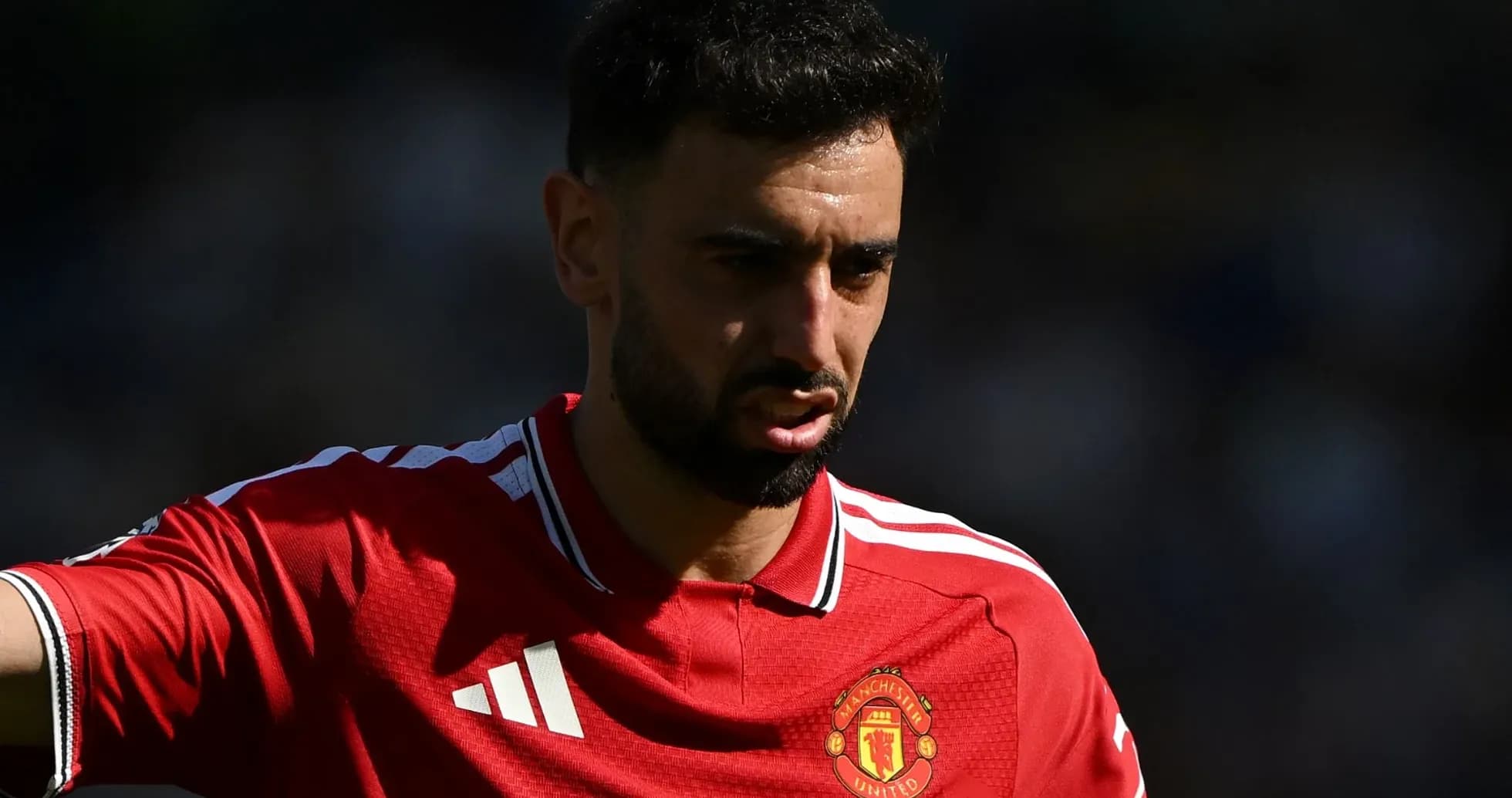
Bruno Fernandes is back at Carrington after World Cup duty with Portugal, the 2026-27 season is looming into view, and United are trying to tie down the man who has carried their creative burden for half a decade. His current deal contains a 12‑month option the club can trigger, a safety net that would buy them time. They would rather not use it. The ideal scenario inside Old Trafford is clear: agreement, announcement, and calm before the first ball of the new campaign is kicked.
Because this is not just any renewal. This is the captain, the standard‑bearer, the player who keeps dragging a flawed side into relevance.
Last season, Fernandes didn’t just have a good year. He rewrote a corner of Premier League history. Twenty‑one assists in the top flight, a haul that nudged him past Thierry Henry and Kevin De Bruyne in the record books and underlined, in bold, why United cannot afford to drift into uncertainty over his future.
He turns 32 in early September. For a club that has vowed to be more ruthless and more disciplined with players over 30, that number matters. On paper, it triggers internal rules about contract length, wage structure, and long‑term planning.
On grass, those rules suddenly look flimsy.
Fernandes has been at Old Trafford since January 2020, long enough to witness multiple rebuilds, false dawns, and tactical resets, yet his influence has barely flickered. Five Player of the Year awards tell their own story. So do the raw numbers: 327 appearances, 107 goals from midfield, and a relentless availability that managers have leaned on, sometimes to the point of exhaustion.
The market knows his value too. Saudi Pro League clubs have already come knocking, sensing an opportunity when United appeared, at one stage, open to a sale. Those approaches were turned away, and the mood has shifted. The priority now is to fend off further interest and lock in the one elite constant in a constantly changing squad.
Inside the game, there is little debate about what United should do.
Michael Owen, a Premier League winner in United red and now a pundit, has been blunt about it. He believes the club must do “absolutely everything” to secure an extension, even if it means bending their own age‑related guidelines. There are, as he points out, “rules and regs” about how far you go for a player in his thirties. In Fernandes’ case, Owen’s view is simple: break them.
The former striker cannot imagine United starting the season without their captain. Strip away the spreadsheets, the actuarial tables, the cautious boardroom logic, and the argument becomes emotional but no less compelling. United’s recent progression, such as it is, has been built on Fernandes’ shoulders. Remove him, and the project looks fragile overnight.
Not everyone framing the debate is talking about spreadsheets and risk, though. Some are talking about legacy.
Mikael Silvestre, another ex‑United defender who knows what a successful Old Trafford dressing room looks like, is clear on two points. First, he is relieved Fernandes resisted Saudi interest and chose to stay put during a turbulent period. Second, he believes the Portuguese playmaker has already left a deep footprint on the club.
Silvestre watched Fernandes operate in a side still wrestling with transition and calls him “a key player” and last season’s best performer in the league. That kind of endorsement from within the United fraternity carries weight. It also sharpens the stakes. Because for all the numbers, for all the influence, one thing is still missing.
A defining title.
Silvestre reaches for a familiar comparison. Steven Gerrard is immortal at Liverpool despite never lifting the Premier League trophy, his status instead sealed by a Champions League triumph and years of carrying a team. Fernandes, he argues, stands on similar ground at United: admired, central, already important to the club’s modern story.
But to become “something really special” in the eyes of supporters and in the club’s history, Silvestre believes Fernandes needs to be part of a truly winning United side. Whether that comes via a Premier League crown or a Champions League run, the requirement is the same. It is not enough to shine in difficult times; the greats win when the club rises again.
That is the crux of United’s decision. Do they trust their captain to remain the heartbeat of a team that finally returns to the summit? Or do they let contract caution chip away at the one player who has consistently delivered amid chaos?
The 12‑month option gives them breathing space. The reality gives them none. Fernandes is at his peak, coveted abroad, and central to any realistic plan of dragging United back into the conversation for major honours.
The next few weeks will reveal whether the club truly believe their own talk of ambition—or whether their most important player enters the new season with his future still hanging in the air.