Man City Verdict’s Impact Reaches Beyond Football Into Politics and Trade
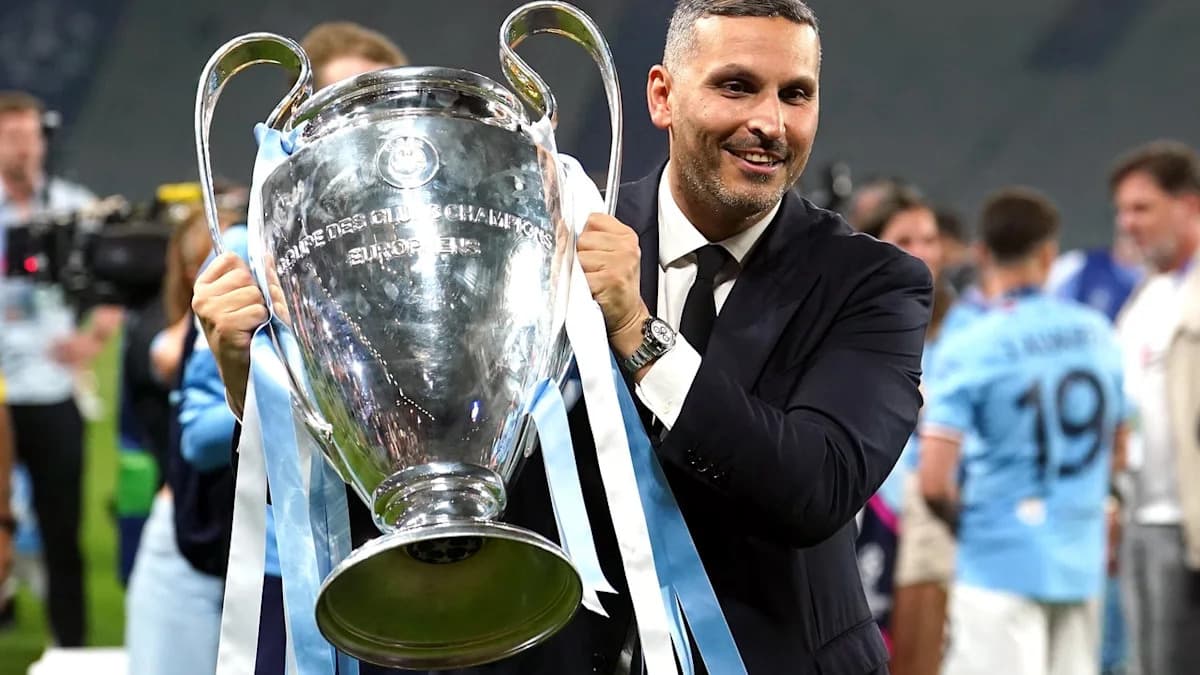
Manchester City chairman Khaldoon Al Mubarak openly addressed the club's expected guilty verdict on breaching Premier League financial rules. His message, sent to supporters, reflected confidence despite serious charges threatening the club’s reputation. The case involves significant business interests from Abu Dhabi, making it personal for Al Mubarak, who mentioned friends and family in his letter.
The chairman’s statement went through strict legal reviews but remained forceful. He asserted, "Our confidence and intent in proving the Club’s innocence is just as strong as when this began," referencing earlier club statements that claimed an "irrefutable body of evidence." Yet, the independent panel seems to have found much of that evidence disputable.
Al Mubarak also noted, "There remain many who want to undermine the momentum of our club. We will not give them that opportunity," signaling a defensive stance against critics. The investigation itself was triggered by leaked documents published in 2018 by Der Spiegel, making the Premier League obligated to act.
Political Weight Behind the Football Case
This saga reaches beyond football, touching on UK-UAE relations. In 2015, reports revealed the UAE threatening to block multi-billion-pound arms deals unless the UK took a tougher stance on political groups like the Muslim Brotherhood. Leaked communications showed Al Mubarak, seen as a top advisor to UAE President Mohammed bin Zayed, warning that diplomatic talks could worsen.
While described as a respectful and charming negotiator, Al Mubarak carries political strength that influences his approach. His past remarks about UEFA's previous case against the club—preferring to spend £30 million on lawyers to fight for years—reflect his tenacity.
Al Mubarak’s background adds context. Son of the UAE’s former ambassador to France, assassinated in 1984, he grew up with a deep sense of patriotism. Educated abroad under Sheikh Zayed’s guidance, he represents a generation aimed at expanding Abu Dhabi’s intellectual leadership. Now 50, he holds powerful roles including chairman of the Executive Affairs Authority, chief executive of Mubadala wealth fund, and chairman of Manchester City.
Club Strategy Mirrors Abu Dhabi’s Influence
Manchester City's operations closely align with Abu Dhabi’s broader agenda. Some experts compare the club's response to allegations with the state's handling of arms embargo violations in Sudan and Libya. A US diplomatic cable once called Al Mubarak a "powerful behind-the-scenes player," underscoring the club's significance to the UAE government.
Al Mubarak insists that Sheikh Mansour’s ownership is private, but acknowledges the club embodies Abu Dhabi’s values. The ongoing case risks causing severe reputational damage, possibly affecting Sheikh Mansour’s standing within the UAE.
Speculation surrounds whether a negative ruling might lead to the removal of key figures at the club. The chairman’s political stature makes any such move unprecedented in elite football.
A Historic Controversy With Geopolitical Stakes
This case may be the largest and most complex controversy in European football history, not just in scale but because it touches on international politics. No other football-related legal dispute has reached a level that could affect Abu Dhabi’s global reputation.
The Premier League now involves substantial private equity investments, many tied to Abu Dhabi funds. Attitudes toward this case have softened among rival clubs compared to earlier years. Meanwhile, UK Prime Minister Andy Burnham, former mayor of Manchester, has praised the UAE’s investment in the city and maintains ties with Bin Zayed, which adds another layer to the situation.
Though the process remains independent, many feel the combination of legal resources and political power usually prevails. This belief adds to the shock over the number of charges the Premier League won, since a club backed by state resources rarely faces such defeat.
Despite this, Al Mubarak's continued confidence stands out. His experience and political savvy mean his bullish stance might be more than just optimism—it could reflect a strategic calculation in a battle far bigger than football alone.