Man City Scandal: The Largest in Sports History and Its Impact on Football
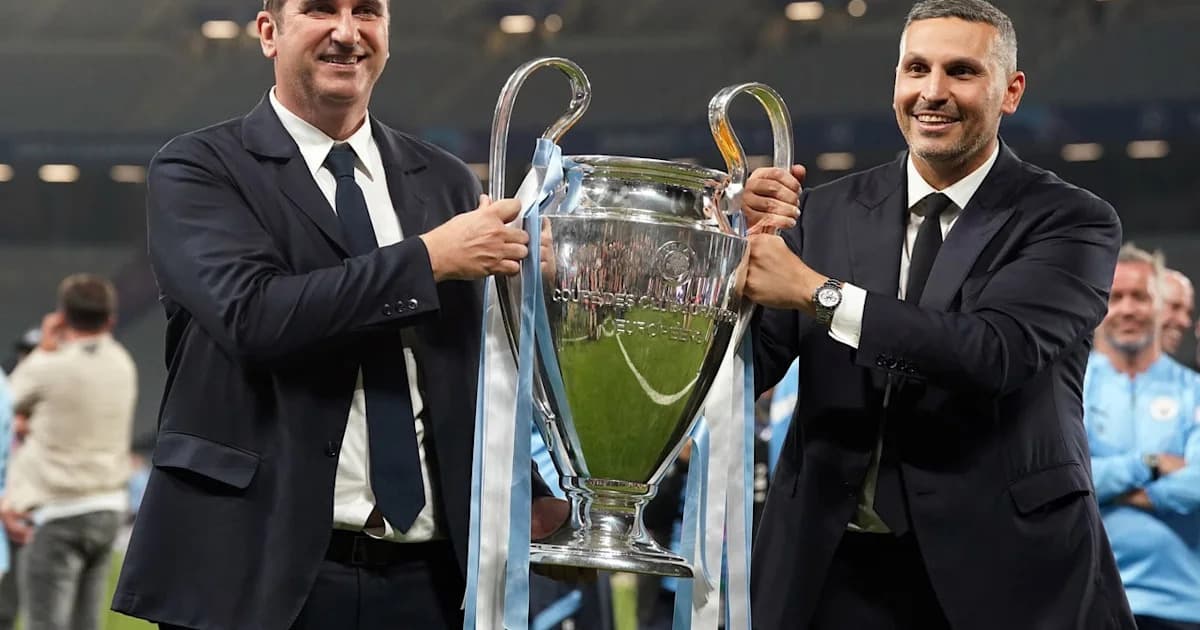
At the European Football Clubs assembly in Copenhagen, all eyes were on one figure: Ferran Soriano, representing Manchester City. Many described him as a "walking statue," avoiding eye contact and seemingly putting in earphones just to dodge conversations. His demeanor reflected the heavy weight of the moment as the Premier League's independent commission released a damning decision against the club.
In response, Man City issued a video to staff that went beyond their official statement. Soriano accused the authorities of conspiracy and pledged to take every step necessary to defend the club and seek compensation from anyone trying to harm it. This reaction puzzled many within the club, as it felt unusually aggressive and disconnected from typical English sporting culture.
Backlash and Public Perception
Fans took to social media expressing genuine anger toward the club's ownership for the first time, sensing deeper issues at play. The club’s name faced serious damage, with many in football circles calling their stance "deluded" rather than defiant. Despite spending reportedly over £100 million on legal fees, the evidence presented appeared overwhelming against City.
Should this case go to appeal, the hope for many is that new, compelling evidence emerges; otherwise, overturning the ruling on technical grounds alone, as happened in UEFA cases before, may do little to sway public opinion.
A System of Industrialised Cheating
The Premier League's published decision paints a picture of what might be the most elaborate cheating system football has ever seen. The scale threatens to rewrite half of the Premier League’s history, drawing comparisons only to scandals like the Qatar/Russia World Cup bidding controversy.
The scandal also carries geopolitical undertones. Abu Dhabi's involvement through Man City's ownership connects the football issue to broader state actions, including alleged defiance of arms embargoes in conflict zones like Yemen and Syria. Leaked emails suggest the owners might even be willing to jeopardize the entire Premier League if they can't operate as they wish.
Power and Privilege Collide
The club's leadership appears to embody the image of spoiled royalty, accustomed to absolute control. Soriano hinted that any lengthy appeals process could drag on for years, undermining the integrity of the league and casting doubt over every match result involving Man City. Whether the club cares about this fallout remains uncertain.
Questions arise about how football allowed such powerful autocratic interests into its fold, blurring the lines between sport and global politics. This scandal might represent not only a reckoning for Man City but for the entire era shaped by former Premier League CEO Richard Scudamore's lenient regulatory approach.
The Fallout and Future
The scandal echoes other corporate or media crises like Enron or News of the World, marked by deep toxicity. The club’s reputation is tarnished for generations, affecting fans who once celebrated their success blindly. Glory now feels overshadowed by uncertainty and shame.
One question looming is whether the owners might sell the club. Experts note that Gulf autocracies like Abu Dhabi avoid embarrassment at all costs, but given their political stakes elsewhere, preserving Man City could come at a high price.
There’s speculation whether football's independent regulator might consider Man City’s ownership too rogue to continue without intervention, possibly forcing a sale to protect the sport’s integrity.
Is This a Good Day for Football?
The scandal leaves mixed feelings. On one hand, it exposes deep-rooted issues and corruption; on the other, it might lead to reforms and even a fan-owned model for the club, which some see as a positive turn. Either way, few disputes have shaken football as profoundly as this.