Luka Modric's Transfer Standoff: A Tottenham Heartbreak
Tottenham supporters didn’t just lose a player in the summer of 2012. They lost a modern symbol of what their club could be, and the way it happened still stings.
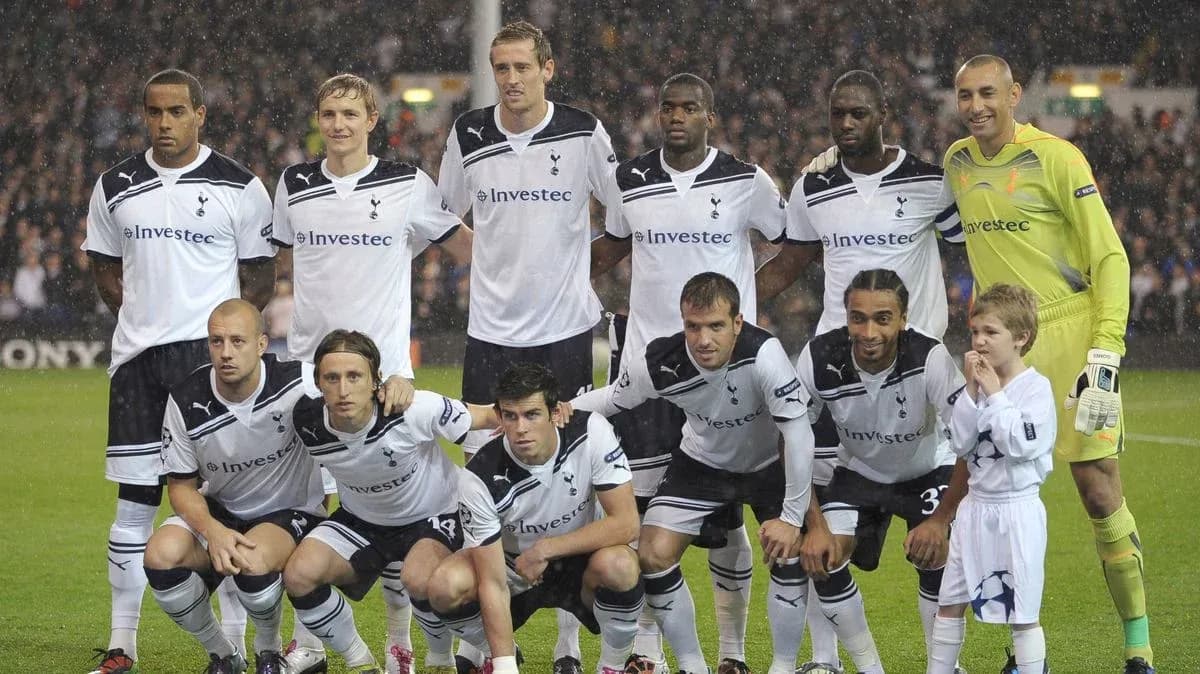
Luka Modric, then 26 and gliding towards the peak of his career, had become the heartbeat of Spurs. Signed as a slight, clever midfielder and forged into one of the Premier League’s most influential playmakers, he was the man who made White Hart Lane believe it could stand toe-to-toe with Europe’s elite.
Then came Real Madrid.
Identified by Jose Mourinho and the hierarchy at the Bernabeu as a priority target, Modric’s stock soared after an outstanding Euro 2012 with Croatia. He wasn’t just Tottenham’s metronome by then; he was their standard-bearer, the player who turned possession into purpose and turned a good side into a dangerous one.
Spurs had already ridden out one storm. A year earlier, Modric had tried to force a move to Chelsea. That saga ended with him staying, reluctantly, in north London. But when Madrid called, the stakes changed. So did his tactics.
This time, he didn’t just agitate. He escalated.
In a move that shocked many inside the club, Modric refused to join Tottenham’s pre-season tour of the United States. He skipped the team flight, a calculated act designed to force Daniel Levy’s hand and crack the club’s resistance. For a player so often praised for his intelligence on the pitch, it was a cold, ruthless play off it.
Tottenham responded with punishment. Modric was fined two weeks’ wages, and the club dug in, insisting they wanted to keep their star. For a while, it looked like a stand-off that might drag on indefinitely.
But the pressure told.
By the end of August 2012, the inevitable happened. Modric completed a £33 million move to Real Madrid, swapping north London for the Bernabeu and stepping into the world he had always believed he belonged in.
Andre Villas-Boas, then in charge at Spurs, cut a frustrated figure. He made it clear Modric had apologised for the way he had handled the situation, but the apology couldn’t undo the damage. The transfer went through, the midfielder got his dream, and Tottenham were left to pick through the emotional wreckage.
Years later, Modric himself would look back on that summer with a twinge of remorse. Speaking in 2018, he admitted two things that still resonate with Spurs fans. First, that his biggest regret at Tottenham was failing to win a trophy with a side that played “good, attractive football.” Second, that he was “sorry for the way I left” and wished the parting had been “in a nicer way,” hoping supporters would understand he was simply following his dreams.
Those dreams, it must be said, were emphatically realised.
In Madrid, Modric didn’t just succeed; he defined an era. Six Champions League titles. Four La Liga crowns. Five FIFA Club World Cups. Two Copas del Rey. He became the conductor of one of the greatest sides in modern football, a player whose vision and control shaped the biggest nights on the biggest stages.
From Tottenham’s playmaker to Real Madrid royalty.
Now at AC Milan, still operating at the highest level and fresh from signing a one-year extension at San Siro as he approaches his 41st birthday, his longevity adds another layer to the story. Spurs didn’t just lose a top midfielder in 2012. They lost more than a decade of elite influence.
That’s why the manner of his departure still divides opinion in north London.
For some Spurs fans, the missed flight and the transfer stand-off are unforgivable. An icon, in their eyes, chose self-interest over loyalty, leaving a scar on his legacy. For others, there’s more sympathy. They see a world-class player whose ambitions had outgrown a club that, at the time, couldn’t match his hunger for major honours.
The numbers make the regret sharper. When Modric left, he still had four years remaining on a six-year contract. A year later, Gareth Bale departed for Madrid as well, this time for £89 million, reuniting with his former team-mate in Spain. Tottenham, with hindsight, look to have undersold a generational midfielder just as his career exploded on the European stage.
That’s the lesson that lingers.
Today, the landscape at Spurs feels very different. After a summer of heavy investment, close to £250 million spent on new signings, Tottenham are no longer the club fending off predators; they are often the ones pressing others to sell. Power has shifted, money has flowed, and ambition is louder.
But the Modric saga still hangs in the background as a warning.
Let a star’s ambition fester too long, misjudge the timing, or undervalue their worth, and a club can find itself backed into a corner, forced into a deal on someone else’s terms. Tottenham lived that reality once with a player who went on to conquer Europe.
The question now is simple: when the next Luka Modric emerges in north London, will Spurs handle it any better?