Liverpool's Transfer Dilemma: Barcola or Williams?
Liverpool’s summer transfer window has a clear headline name. Bradley Barcola sits at the top of their wishlist, the exciting wide forward Liverpool believe can light up Anfield. The problem is the price.
Paris Saint-Germain are said to want around £145 million for the 23-year-old. Liverpool, by contrast, had been working with a figure closer to £100m. In a market where Morgan Rogers has gone to Chelsea for £117m and Elliot Anderson to Manchester City for £116m, that fee reflects the current inflation rather than pure value.
Barcola is not hype alone. He produced 13 goals and seven assists in 49 games across all competitions last season for Luis Enrique’s European champions, often operating in the shadow of Khvicha Kvaratskhelia at the Parc des Princes yet still making himself impossible to ignore. He carried that form into the World Cup, where he occasionally pushed ahead of Desire Doue in Didier Deschamps’ attacking plans for France.
On talent, he fits. On price, he distorts everything.
Liverpool’s Barcola Dilemma
Liverpool have already pushed the boundaries of their spending. They paid £116.5m for Florian Wirtz and then £125m for Alexander Isak, twice smashing the British transfer record in quick succession. To go again at £145m for Barcola would be to gamble heavily on one position for the third time in a year.
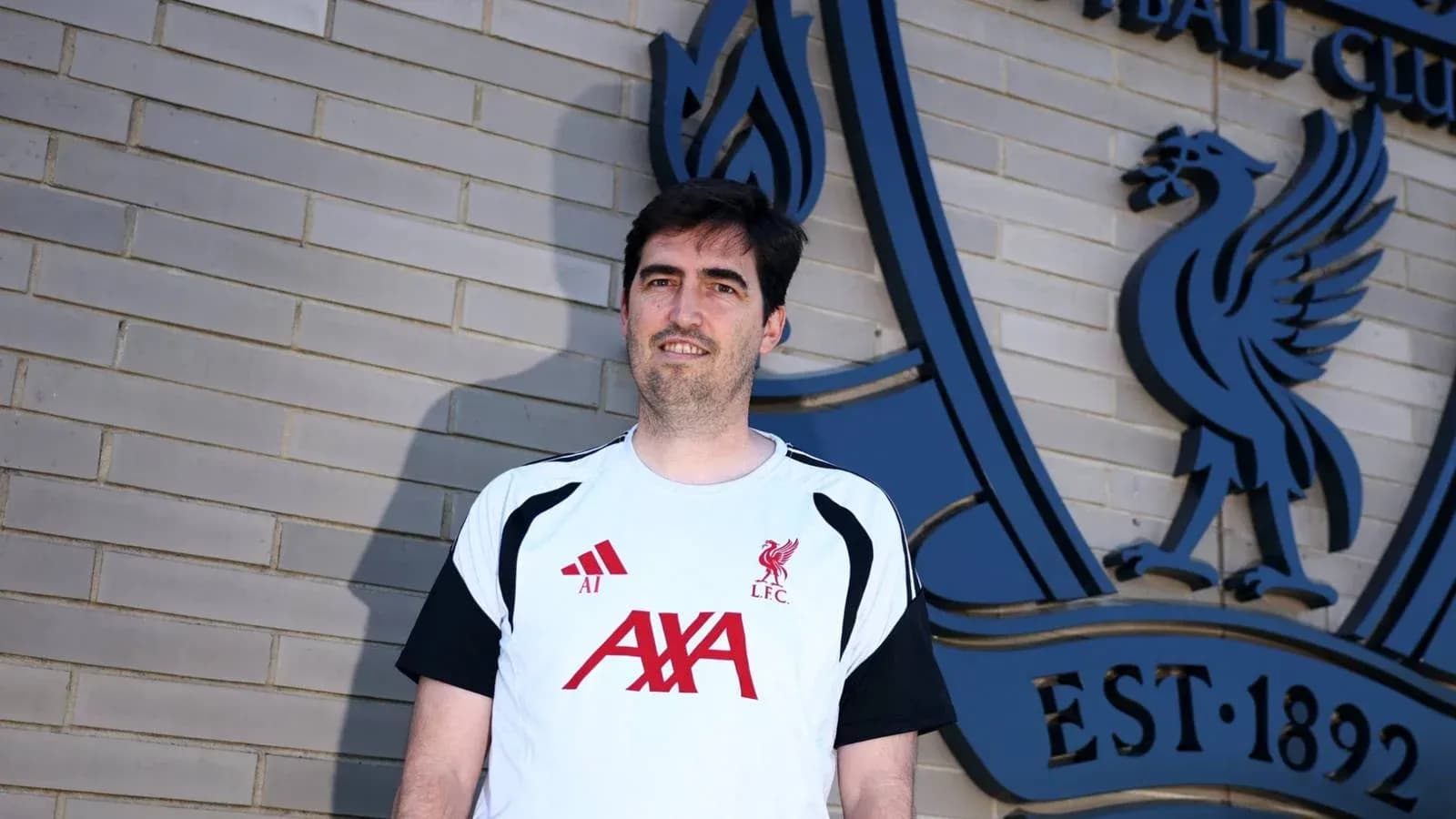
Barcola offers pace, directness and the kind of one-v-one threat Andoni Iraola craves from his wide players. He can stretch the pitch, attack full-backs, and create chaos in the final third. On paper, he is a near-perfect fit for the new manager’s aggressive, front-foot style.
But he is not the only winger who fits that description. Nor is he the best value.
The Case for Nico Williams
Nico Williams brings a similar explosiveness, but with a different profile and a very different price tag.
The Athletic Club winger thrives in isolation against defenders, just as Barcola does, but he edges the Frenchman in two key areas: his dual-footed delivery and his consistency against deep, compact defences. When opponents sit in, Williams finds ways to prise them open. Crosses from either flank, cut-backs off both feet, clever angles from wide – he has built a reputation in La Liga for unpicking stubborn blocks.
He is already the talisman in Bilbao. Last season he finished with six goals and seven assists, numbers that came despite significant time lost to injury. When he plays, the team leans on him. He carries that responsibility with a calm that belies his age.
At 24, Williams knows what it is to be the main man for a European-level club. He is more of a traditional winger than Barcola, happy to hug the touchline, beat his full-back and deliver, rather than constantly drifting inside as a pseudo-forward. For Iraola, who wants width, tempo and direct routes to goal, that may be no bad thing.
Crucially, he should cost far less.
A £77m release clause is understood to be in the contract he signed last July, inserted after Barcelona tried to prise him away. That figure is not cheap, but in this market it feels almost restrained. It leaves Liverpool with room to manoeuvre, to strengthen elsewhere, to build a squad rather than a headline.
Luis Figo has described Williams as a “bargain”. In the current climate, with fees spiralling and mid-tier players attracting elite prices, that verdict does not feel exaggerated. His displays in Spain have already drawn interest from Barcelona and Real Madrid. Liverpool would not be stepping into an untested market; they would be competing with the very best.
Budget, Balance and the Bigger Picture
This is where the debate around Barcola becomes sharper. Spending £145m on one winger would slice a huge chunk from Liverpool’s budget and load enormous pressure onto a single signing. The Wirtz deal is the warning. Every time he struggles to influence a game at Anfield, the conversation circles back to the fee.
Liverpool’s squad also has other needs. Andy Robertson’s departure has left a gap at left-back that cannot be ignored. A club with title ambitions cannot go into a long season without a reliable, top-level option in that role.
Midfield, too, is a live issue. Curtis Jones’ future remains uncertain, and Iraola’s style demands energy, depth and variety in the centre of the pitch. One more midfielder – someone who can both press and play – would strengthen the spine and support the attacking players Liverpool already have.
This is the trade-off. Commit £145m to Barcola and accept that other areas may go untouched, or pivot to Williams at £77m and free up the funds to reshape the squad in several key positions.
Barcola may be the more glamorous chase, the name at the top of the wishlist. Williams, though, looks like the smarter move: a proven leader in a European side, a winger built for Iraola’s system, and a fee that allows Liverpool to think like contenders across the pitch, not just on one flank.
If Liverpool are serious about returning to the top of the Premier League, the question is no longer just who they want out wide. It is how boldly – and how wisely – they are prepared to build the rest of the team around him.