Liverpool Close in on Ronald Araujo Loan
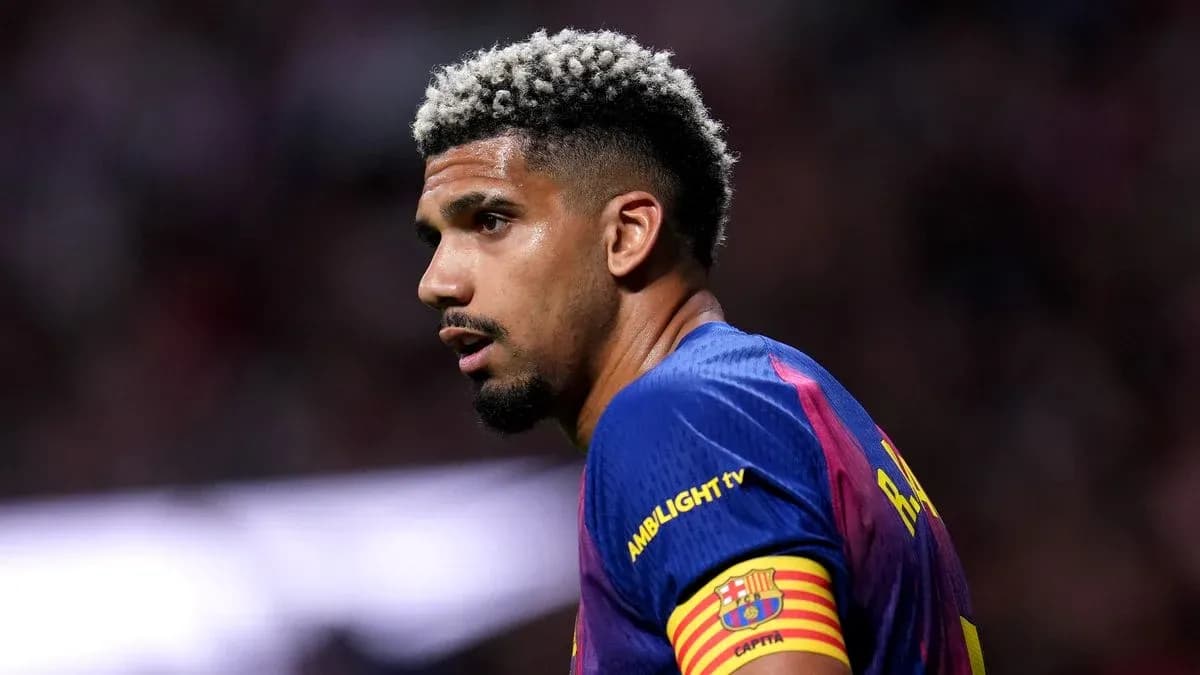
Liverpool are closing in on a surprise move for Ronald Araujo, a defender whose story now stretches far beyond tackles and clearances.
The 27-year-old is set to arrive from Barcelona on a season-long loan, a deal that answers an urgent football problem at Anfield and brings in a player who has already stared down something far tougher than a high press.
A crisis at the back, a statement at the back
Andoni Iraola’s first weeks in charge have been shaped by medical bulletins. Joe Gomez limped out of pre-season and is expected to miss around a month, ruling him out of the start of the campaign. Giovanni Leoni is still feeling his way back from a serious ACL injury. Conor Bradley remains sidelined.
For a side that demands intensity from its full-backs and composure from its centre-halves, that is a dangerous way to enter a season.
So Liverpool moved. As reported by Fabrizio Romano, they have turned to Araujo, a defender comfortable at centre-back and right-back, and a regular in a Barcelona team that went on to win La Liga last season, with 24 league appearances to his name.
This is not a punt on potential. It is a loan for an established international who brings experience, aggression and versatility to a back line stretched thin.
More than a signing
Araujo will arrive as an “experienced head at the back,” as the cliché goes, but the journey that brings him to Merseyside has already forced him to grow in ways few supporters will ever see.
Months before this move, he chose to speak openly about his struggles with anxiety and depression, breaking through the silence that still surrounds mental health in elite football.
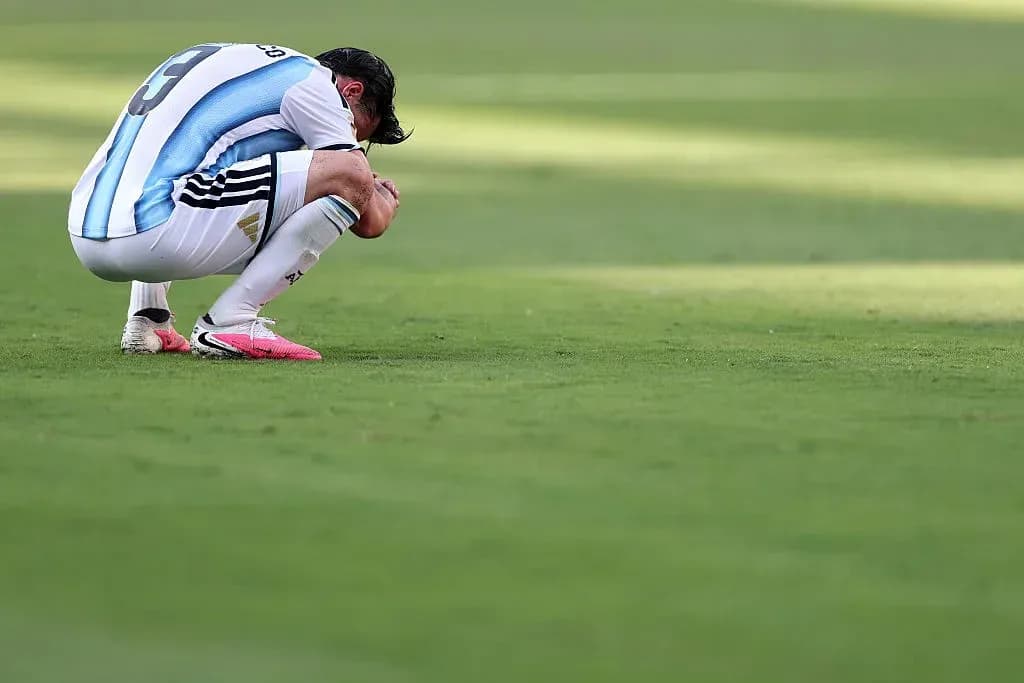
The turning point came in a brutal, public moment. In November 2025, with Barcelona trailing 1-0 to Chelsea in the Champions League, Araujo was sent off just before half-time for a second yellow card. The dismissal swung the tie and exposed something deeper.
“Going in like that, knowing I’d already been booked… I knew something wasn’t right,” he told The Athletic. He admitted he found it almost impossible to express what he was going through, even to his wife. “I struggled to speak. I always kept everything to myself. After that moment, I said: ‘That’s it. I need to talk about what’s happening to me.’”
He stepped away from Barcelona duties. The club did not explain why, nor did they set a date for his return. From the outside, it was a brief absence. From his perspective, it was a reset.
“I made the decision (to step away) because I really wasn’t feeling well. I wasn’t being myself as a player,” he said. He knew his level. He knew his potential. Off the pitch, he had not felt right “for a long time,” and it had begun to bleed into his performances.
He spoke about how problems accumulate: not just the pressure of games, but experiences stretching back to childhood, piling up until they become something heavier. He sought professional help “to have the tools to find myself again.”
Lessons in the shadows
Araujo returned to the pitch in January, in a better place and with the World Cup on the horizon. Strangely, in a season when he did not always rack up minutes, he felt he had grown the most.
“I’ve grown a lot mentally. I’ve learned to be a better husband, a better father, to see things differently, to put things into perspective,” he said. The perception that footballers live untouched by worry, cushioned by wages and adoration, did not match his reality. “People think that because we’re footballers and earn a lot of money, we don’t have any worries, but we do. A lot of things happen in the world of football, and they build up, causing you stress.”
He described the volatility of the profession with brutal clarity. Be the best player in the world on Wednesday, get torn apart on Saturday. When he blocked out social media, some critics went further, targeting his family instead. “They wrote to my wife, threatening my daughters,” he revealed. It was a line that should chill anyone who treats abuse as part of the game.
“I understand it’s part of my job,” he said, “but there are things we shouldn’t tolerate or take for granted.”
What Liverpool are really getting
On paper, Liverpool are signing a defender who can plug two positions, carry himself in a title-winning side and bring calm to a back four creaking under the weight of injuries.
In reality, they are getting something more layered: a player who has already fought his way back from a place where confidence, identity and performance all blurred into one long, difficult spell.
For Iraola, that mentality matters. For a dressing room that has lived through its own emotional highs and lows, it adds another voice that understands how thin the line can be between acclaim and crisis.
Liverpool needed depth. They are about to get that. They may also be about to gain one of the most quietly compelling characters in European football.