Liverpool Players at the World Cup: Highlights and Performances
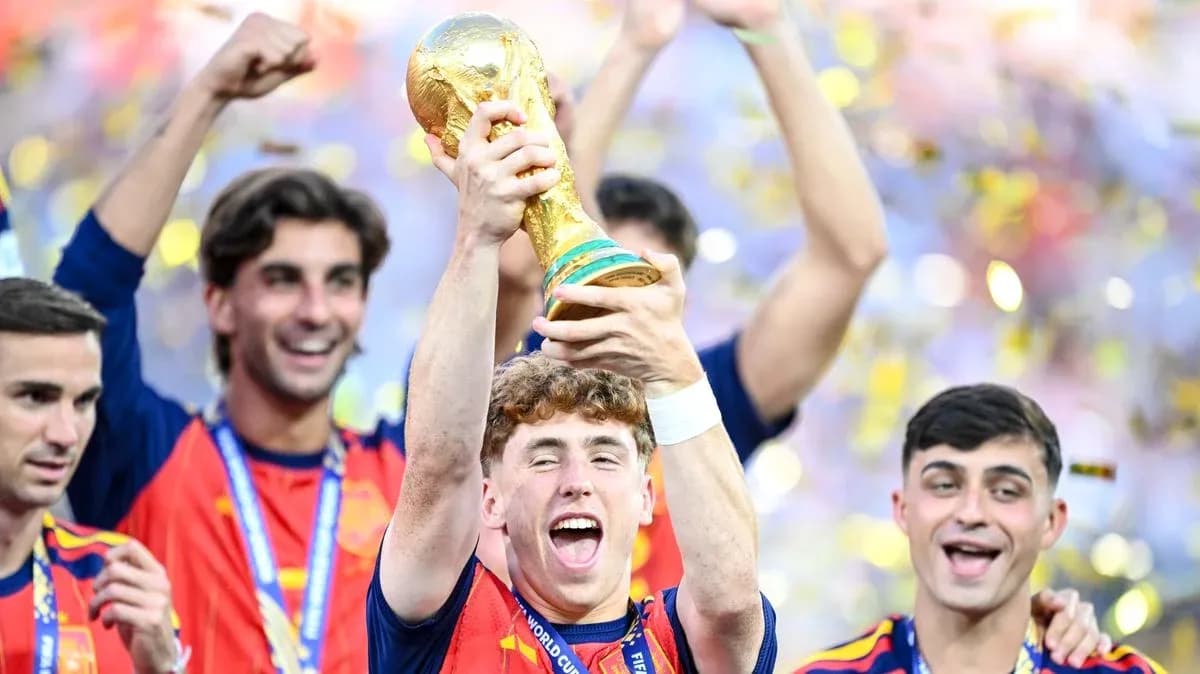
The longest World Cup in history has finally staggered over the line. One hundred and four games, a string of flashpoints, and a final that felt more like a street fight than a showpiece ended with Spain lifting the trophy and Argentina snarling in defeat.
For Liverpool, it was a month of mixed emotions. Eight players flew out to the United States, Canada and Mexico. Only one came back a world champion – and he didn’t play a single minute.
Victor Munoz – N/A
Spain were still wondering how on earth they had failed to score against Cape Verde in their opening group game when news broke on Merseyside: Liverpool had triggered Victor Munoz’s £34.5million release clause at Osasuna. The first signing of the Andoni Iraola era, unveiled in the middle of a World Cup.
Supporters settled in to get a proper look at their new winger on the biggest stage. Then came the twist. Injury struck, games passed, and Munoz never left the bench as Spain marched relentlessly to the title.
He still joins a very select club. Only five serving Liverpool players had previously won the World Cup: Roger Hunt, Ian Callaghan, Gerry Byrne, Fernando Torres and Pepe Reina. Munoz is number six, a champion before he has kicked a ball for his new club.
Alexis Mac Allister – 7
Alexis Mac Allister will not remember the final fondly. Like most of his Argentina team-mates not named Lionel Messi, he fell flat on the biggest night.
His World Cup as a whole told a very different story.
The midfielder was a constant presence, playing every minute bar the dead rubber against Jordan once Argentina had already wrapped up top spot in the group. He created a goal against Cape Verde, then scored the opener in the quarter-final win over Switzerland, a finish that underlined his calm in the tightest of spaces.
Used higher up the pitch than he often is for Liverpool, Mac Allister helped drag Argentina back from the brink against England and knitted their attacks together with a maturity that has become his trademark. One booking in eight games for a 27-year-old who loves a tackle was a small curiosity in itself.
Liverpool will want that sharpness, that confidence, to walk straight through the door at Kirkby.
Alisson Becker – 7
Brazil arrived with their usual noise and expectation. The football did not match the soundtrack.
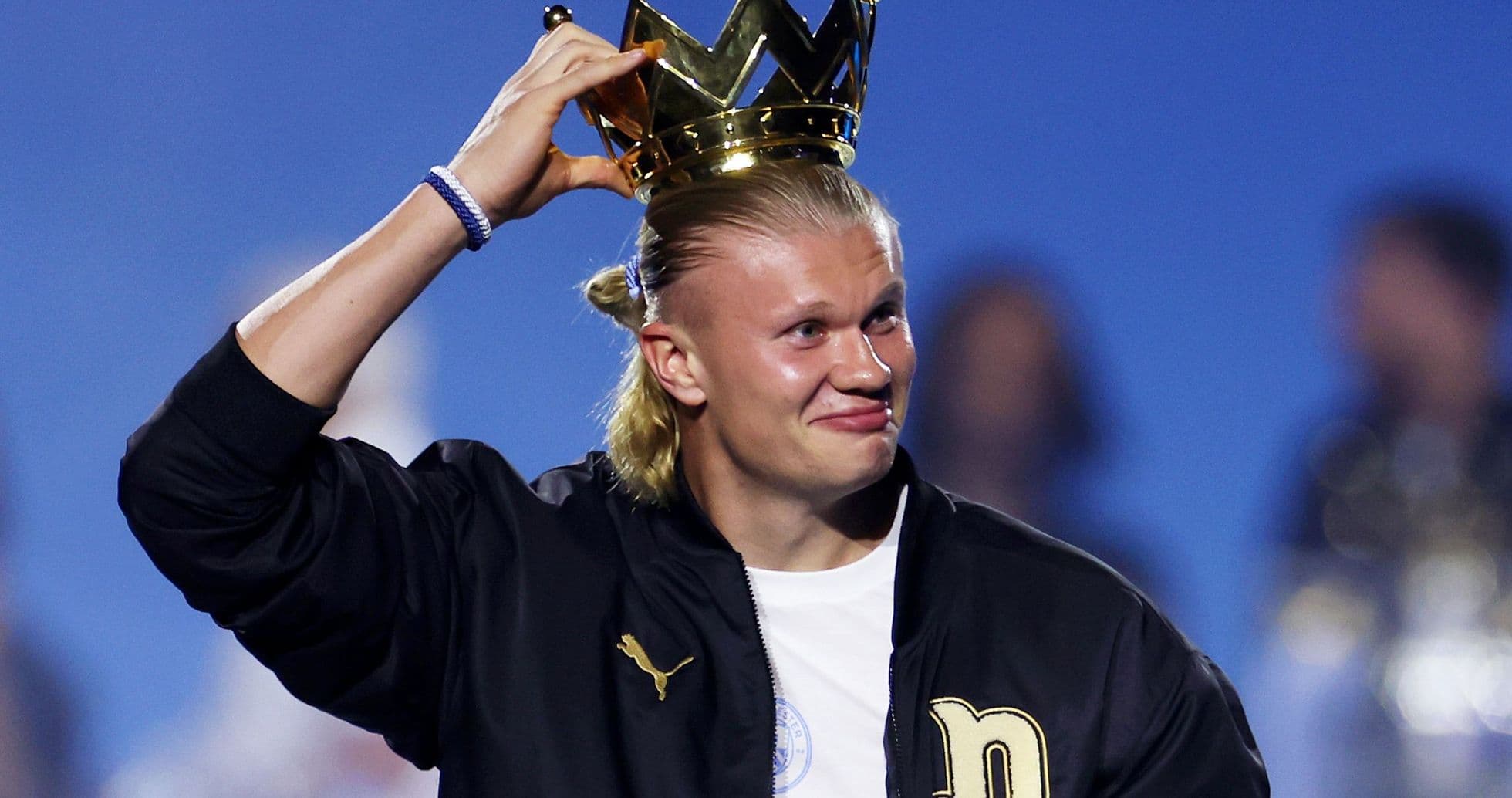
Alisson Becker, back from injury, did his job with the minimum of fuss. Safe hands, sensible decisions, no drama. Brazil were a pale imitation of their great sides and when Erling Haaland sent them home with two ruthless finishes for Norway, the goalkeeper could do little about either.
This was a reminder, though, of why he remains one of the outstanding goalkeepers in the world. The question for Liverpool is simple: can he now stay fit long enough to anchor a season that badly needs stability at the back?
Alexander Isak – 6
The irony will not be lost on Liverpool fans. Alexander Isak, who went an entire club season without completing 90 minutes once, suddenly became Sweden’s iron man.
Three full games out of four. A leading role, at last.
He started with a flourish, tearing into a poor Tunisia side with a goal and two assists, his movement and touch far too good for overmatched defenders. He added another assist in the heavy win over Holland, yet as the tournament wore on his influence waned.
The returns diminished, the spark flickered. Sweden got plenty of running from him, just not the sustained menace his early numbers promised.
Cody Gakpo – 8
Cody Gakpo arrived at the World Cup carrying the weight of a difficult Liverpool season on his shoulders. He left it looking like a player reborn.
Freed on the left flank for Holland, he played with a looseness and aggression that had too often been missing at Anfield. The standout performance came against Sweden, where he scored twice and set up another, tormenting defenders with direct running and sharp finishing.
Then came a moment that cut through the noise. In the round of 32 defeat to Morocco, Gakpo scored shortly after news emerged of the loss of his unborn son. It was a goal heavy with emotion, a glimpse of character as much as quality.
For Liverpool, the hope is that the player who returns is the one who tore into this tournament, not the one who looked shackled last season.
Virgil van Dijk – 7
Virgil van Dijk’s World Cup was a study in contrasts.
On the one hand, the Holland captain did what captains are supposed to do. He scored in the entertaining group draw with Japan, rose to set up a goal against Tunisia, and tried to hold together a back line often left exposed by Ronald Koeman’s attacking blueprint.
On the other, the criticism at home never really went away. Certain voices in the Netherlands have never fully warmed to the Liverpool defender, and every lapse – collective or individual – fed the narrative.
Holland conceded in all four of their games. The structure around Van Dijk creaked, and eventually buckled. Yet his presence, his leadership, and his big moments in both boxes underlined why he remains central to club and country.
Ryan Gravenberch – 7
Ryan Gravenberch’s World Cup offered a glimpse of the player many in Liverpool’s hierarchy believe he can become.
Koeman pushed him into a more advanced midfield role to start the tournament, and Gravenberch responded with a brace of clever assists against Japan, drifting into pockets and threading passes that sliced open the defence.
Then the dial turned. Against Morocco he dropped back into a more defensive role, tasked with shoring up rather than unlocking. By the time Holland conceded the late equaliser that dragged the game to penalties, he was already off the pitch, a spectator as their campaign unravelled.
The versatility will please Iraola. The challenge now is to pin down a position that maximises his instincts rather than muting them.
Florian Wirtz – 6
On paper, Florian Wirtz had a productive World Cup. Operating mostly off the left for a stuttering Germany, he registered assists in three of their four games and often looked like the one player capable of knitting their attacks together.
The numbers flatter slightly.
His quality is obvious, his touch and vision beyond question, but there was a nagging sense he never quite grabbed the tournament by the scruff of the neck. When Germany’s fate was sealed in a controversial penalty shootout defeat to Paraguay, Wirtz was already off the pitch, unable to influence the final act.
For Liverpool, that may be the most intriguing part of this World Cup. Several of their players showed they can rise to the stage. The real test begins when they swap the heat of a bloated summer tournament for the grind of a new season under a new manager.