Liverpool and Mo Salah: A New Era Begins
There was a time when Liverpool were accused of clinging to the past. Of squeezing the last drops out of a great team instead of quietly building the next one.
Jurgen Klopp’s final great rebuild in midfield seemed to prove the point. Alexis Mac Allister, Dominik Szoboszlai and Ryan Gravenberch arrived in a single sweep, a bold attempt to refresh a core that many felt had gone beyond its peak. It looked chaotic at first, but that trio grew into the engine of a title-winning side – and did so under a manager who has since been sacked.
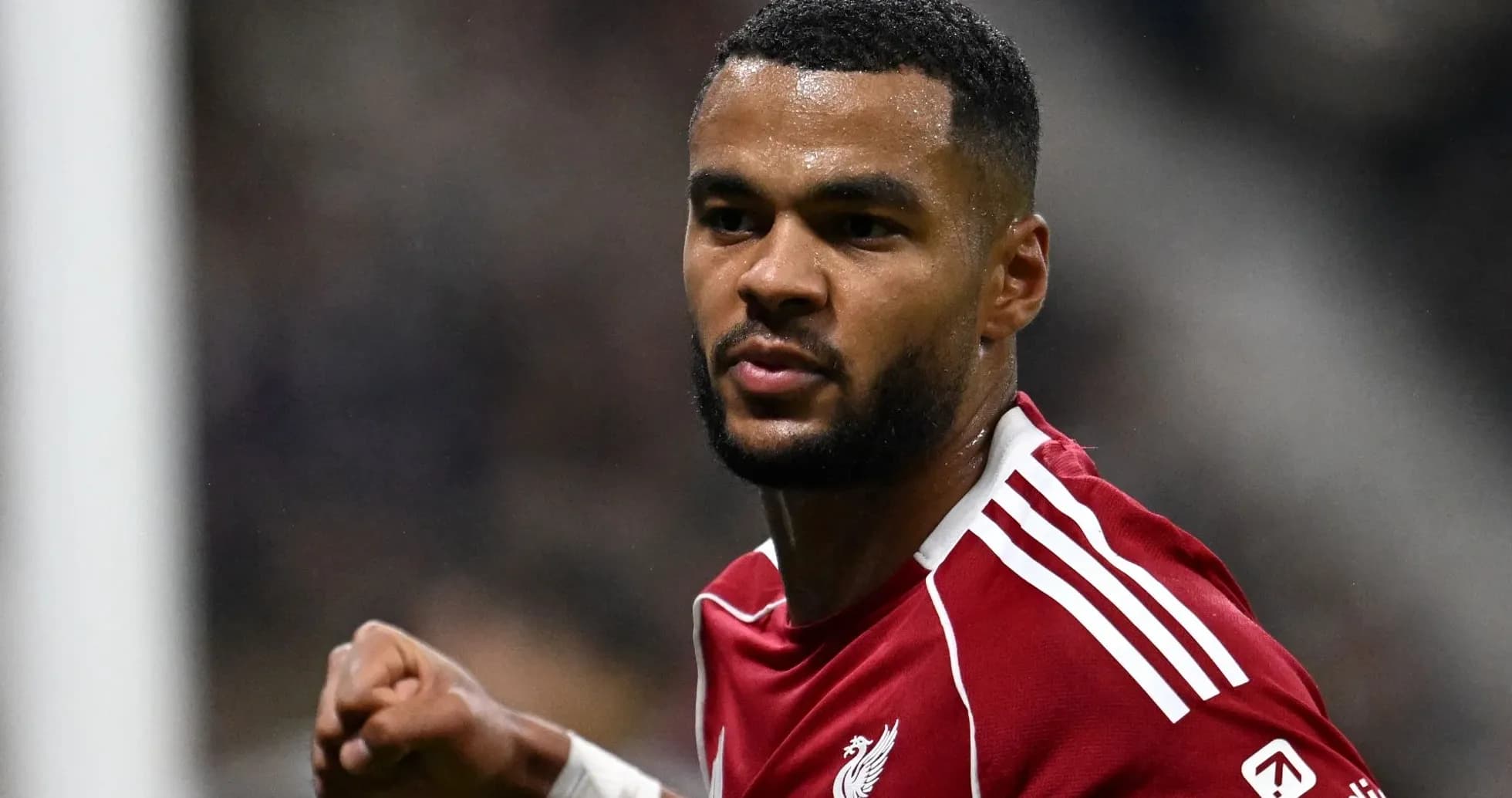
That’s the backdrop to the latest twist in the story of Mo Salah.
The Egyptian’s relationship with Arne Slot became the flashpoint of Liverpool’s post-Klopp transition. When Salah went public with his frustrations at being dropped and “scapegoated” for poor form, it didn’t just spark headlines; it sharpened the sense that the new era and the old guard were pulling in different directions.
Slot never escaped that narrative. Many saw his handling of Salah as the beginning of the end.
Now, at 34, Salah has signed for the club that finished third in the Turkish league last season. On paper, it is a jarring move for a forward who, not long ago, was terrorising Europe’s best defences and chasing every major honour. It has left plenty of Liverpool supporters and neutrals alike wondering how a player of such stature has landed there, and what it says about the timing of his Anfield exit.
Strip away the emotion, though, and a different picture emerges.
This is a footballer who may simply have reached the point Liverpool once feared with their entire squad: the moment when a legend’s name remains enormous, but the performance curve begins to bend the other way. Salah stored one of his finest campaigns for the latter stages of his Anfield career, that outstanding 2022-23 vintage under Klopp, when Liverpool went deep in all four competitions the season before their sharp decline. It was heroic. It was exhausting. And it might have accelerated the drop-off that followed.
Liverpool now stand in that uncomfortable space between sentiment and strategy. They are still searching for a long-term successor on the right, still staring at a depth chart that suggests Salah could easily have started the opening day of the season simply because there are so few experienced alternatives.
That’s where Jamie Carragher’s old line comes roaring back: “Leave the football before the football leaves you.” In this case, it feels more like: leave the footballer before the footballer leaves you.
The question for Liverpool was never whether Salah could still produce moments – he could, and probably still can. It was whether clinging to those moments would delay the next phase, the auditions for the player who will own that flank for the next five years rather than the next five months.
Recruitment noise points in one direction only. Links have surfaced to PSG’s Ibrahim Mbaye, while reports indicate Liverpool are still pushing for his team-mate Bradley Barcola. Two younger, high-ceiling wide forwards, both representing something Liverpool have always valued at their best: timing. Not just replacing a star, but doing it before the void becomes a crisis.
This is not a rewriting of Salah’s legacy. That is secure. He is a Liverpool legend in the truest sense – a player who changed the club’s modern history, who delivered Premier League and Champions League glory and turned Anfield nights into events.
But his choice of destination, and Liverpool’s willingness to let the story end here, send a clear message. The era of Salah in red had reached its natural conclusion, even if the heart wanted one more season, one more run, one more miracle.
Liverpool now have to prove they have learned the lesson that once haunted them: don’t wait until the peak has crumbled. Start building the next great side while the echoes of the last one are still ringing.