Lamine Yamal Leads Spain to World Cup Final with 2-0 Victory Over France
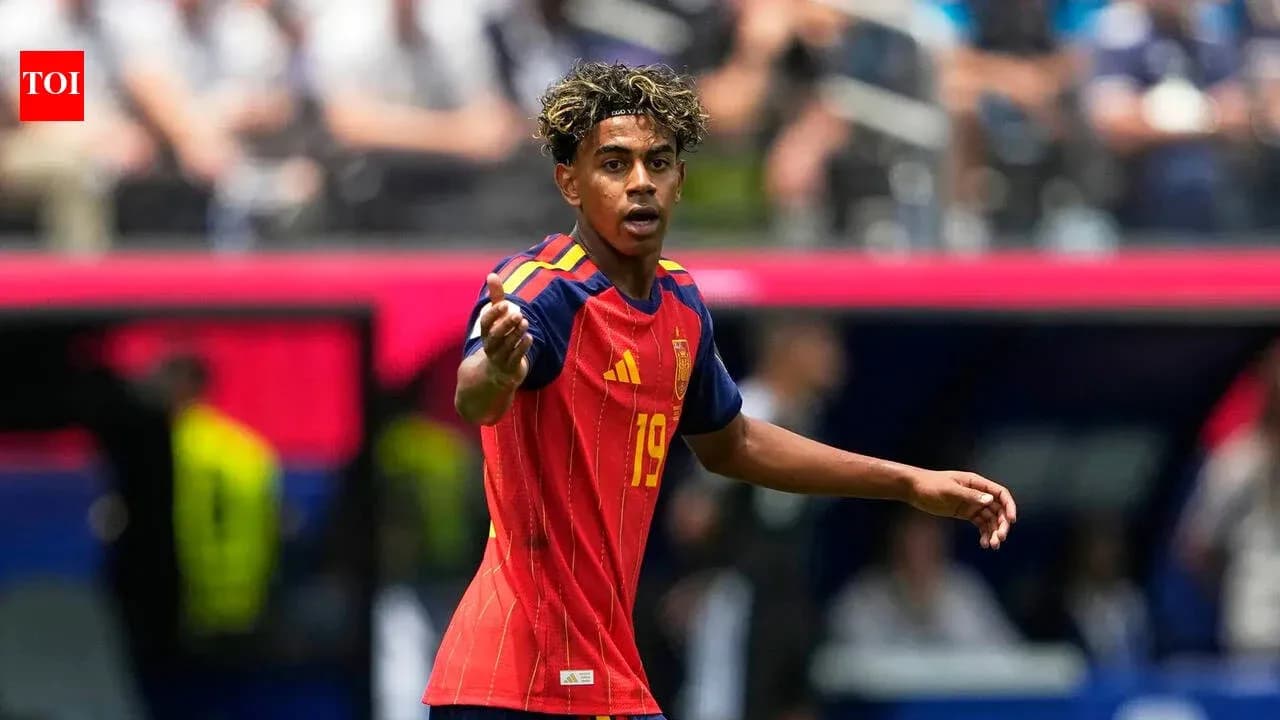
Lamine Yamal didn’t wait for the final whistle to fade before setting the tone for what comes next. Minutes after dragging Spain into the 2026 World Cup final, the teenager was already looking across the continent.
“nuevayol vamos por ti,” he posted on Instagram. New York, we’re coming for you.
The message was short, sharp and utterly clear: the job is not done.
At AT&T Stadium in Arlington, Spain had just dismantled France 2-0 in a semifinal that felt, at times, like a statement of intent as much as a football match. Photos from the victory flooded Yamal’s feed, but they read less like celebration and more like a warning to whoever emerges from Argentina vs England in Atlanta.
Next stop: the New York-New Jersey Stadium, and a shot at a second star.
A teenager at the heart of history
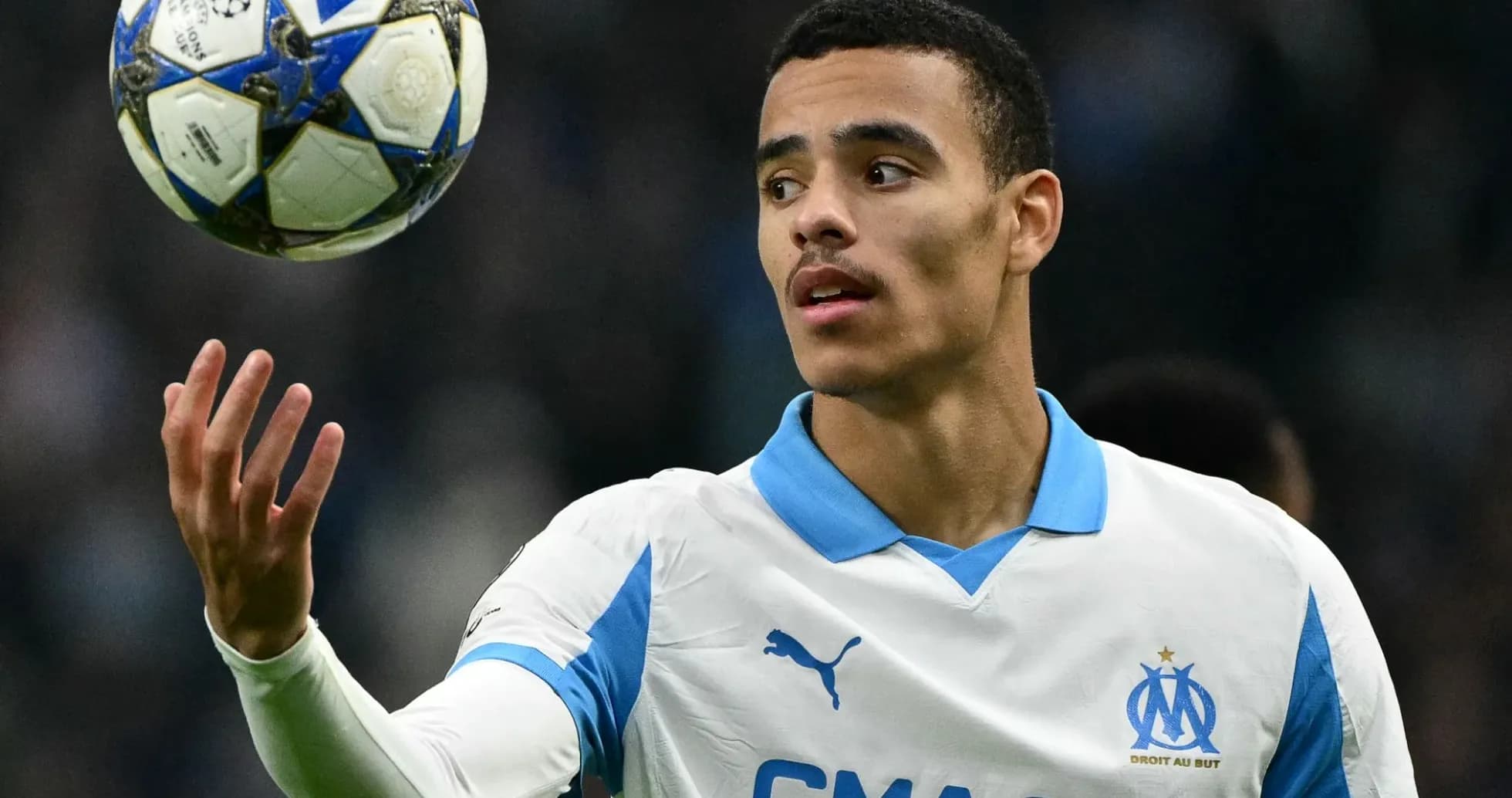
Nineteen years old. World Cup semifinal. France on the other side. Some players shrink under that weight. Lamine Yamal seemed to grow.
Luis de la Fuente trusted two teenagers from the start, Yamal and Pau Cubarsi, making Spain the first team ever to field two teenage starters in a World Cup semifinal. On this stage, in this era, against this France. It was a bold call. It looked like the most natural thing in the world once the game began.
Yamal’s decisive moment arrived in the 22nd minute. Lucas Digne thought he had the situation under control near his own box. Yamal didn’t agree. He snapped into the duel, stole the ball with sharp, aggressive pressing and drove into the area. Digne’s response was clumsy, desperate. The Barcelona forward went down, the referee pointed to the spot.
No fuss from Mikel Oyarzabal. One breath, one clean strike, one Spain lead.
From there, France were chasing shadows. Kylian Mbappe and Aurelien Tchouameni tried to drag their team forward, but Spain’s rhythm smothered them. De la Fuente’s side owned the ball, owned the tempo, owned the night.
The pressure told again after the break. Pedro Porro surged and combined with Dani Olmo, a quick, incisive move that sliced through the French lines. Porro, full of composure, picked his spot and rolled the ball into the bottom corner. 2-0, and the semifinal tilted firmly towards red.
Yamal thought he had his own goal moments later, ghosting in and finishing only to see the flag go up for a marginal offside. It would have been the perfect finishing touch to his performance; instead it served as another reminder of how relentlessly he kept asking questions of France’s defence.
France pushed. They had to. Mbappe ran at defenders, Tchouameni tried to seize control in midfield, but Spain’s back line refused to crack. Six clean sheets in seven matches at this tournament now. This is no longer just a pretty passing side; this is a machine with steel at its core.
A different Spain, same ambition
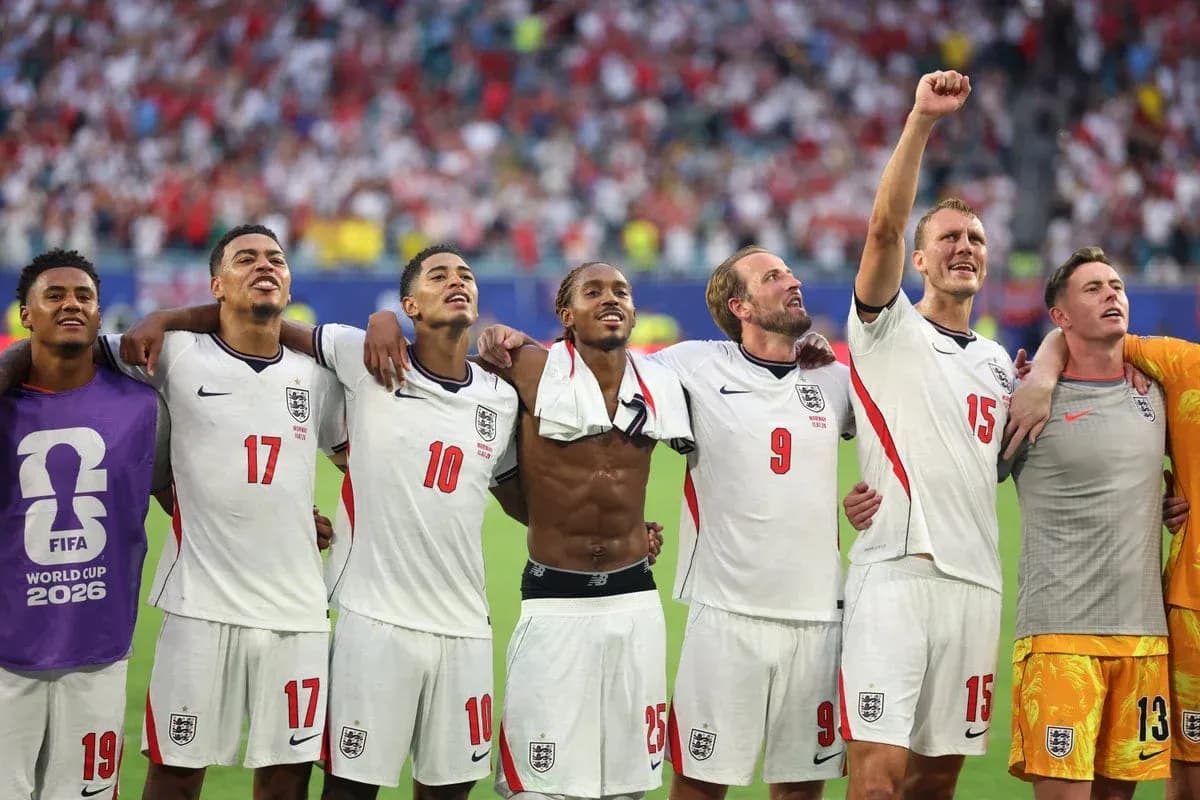
Inside the dressing room, the mood swung from clinical to chaotic. Music up, shirts off, voices hoarse. The official Spain account captured it all: dancing, shouting, players letting years of work explode in a few wild minutes.
“Shouts rang out, dances took place, celebrations happened...” the national team posted, inviting fans into a locker room that looked like a festival.
Yet beneath the noise, something more serious has been building. Earlier in the tournament, Spain dazzled with attacking waves, leaning heavily on their flair and fluidity. Against France, they married that with a cold, disciplined defensive performance. This was not just a semifinal win; it was evidence of a fully formed team.
Oyarzabal, so often the quiet assassin, continued his extraordinary run. His penalty was his 18th goal in his last 20 appearances for Spain, and he has now joined an elite group as only the sixth player to reach 30 international goals for La Roja. In a squad bursting with youth and energy, his numbers speak of reliability and ruthlessness.
Spain’s relationship with World Cup finals is brief but golden. One appearance, one title. South Africa 2010, Andres Iniesta in extra time, the Netherlands beaten, a generation immortalised.
Sixteen years later, a new generation stands one win away from writing its own story.
The names have changed. The style has evolved. The expectation, though, feels familiar.
Yamal has already sent his message across the Atlantic. New York is waiting. So is Argentina, or England.
Spain are ninety minutes from another star. Who dares stand in their way now?