Kylian Mbappé Chases World Cup Glory Amidst Stiff Competition
Kylian Mbappé is chasing history, but he is hunting something far bigger than a record.
On a humid night in the round of 32, the 27-year-old ripped through Sweden, scoring twice in a 3-0 win that felt as routine as it was ruthless. Those goals pushed him to 18 in 18 World Cup games, just one behind Lionel Messi’s all-time mark of 19, and level with the Argentine at the top of this tournament’s scoring chart on six.
The numbers are staggering. Mbappé shrugs them off.
“The goal is to go as far as possible – to make it to July 19 and come back here,” he told reporters, his eyes fixed firmly on New York and the World Cup final rather than the record books.
He acknowledged the obvious: the more he scores, the higher he climbs. But he also pointed straight back at Messi, convinced the Argentina captain will add to his tally as well. For Mbappé, the real obsession lies elsewhere – in the opposition ahead and the narrowing road to the final.
Messi and Argentina now meet Cape Verde in the last 32, a mismatch on paper. France head to Philadelphia to face Paraguay, a very different kind of challenge.
France brace for Paraguay’s wall
Paraguay arrive with a simple blueprint and the confidence that comes with slaying a giant. Their ultra-defensive masterclass against Germany – then a penalty shootout that dumped the four-time champions out – sent a jolt through the tournament. No one expects them to suddenly open up against Mbappé and company.
There will be no complacency from France.
Mbappé warned that the work is far from done, pointing to passages of play that still lack clarity and fluency. The scoreline against Sweden looked emphatic; the analysis behind closed doors will not be so kind.
“We’ll keep working between now and the Paraguay match to see what we can improve,” he said. There are, he noted, “sequences that aren't quite clear enough,” even if France’s firepower means they are rarely out of a game for long.
Win in Philadelphia and Les Bleus will move into a quarter-final against either co-hosts Canada or Morocco. The path is opening up. The pitfalls are obvious.
The round of 32 has already turned ruthless.
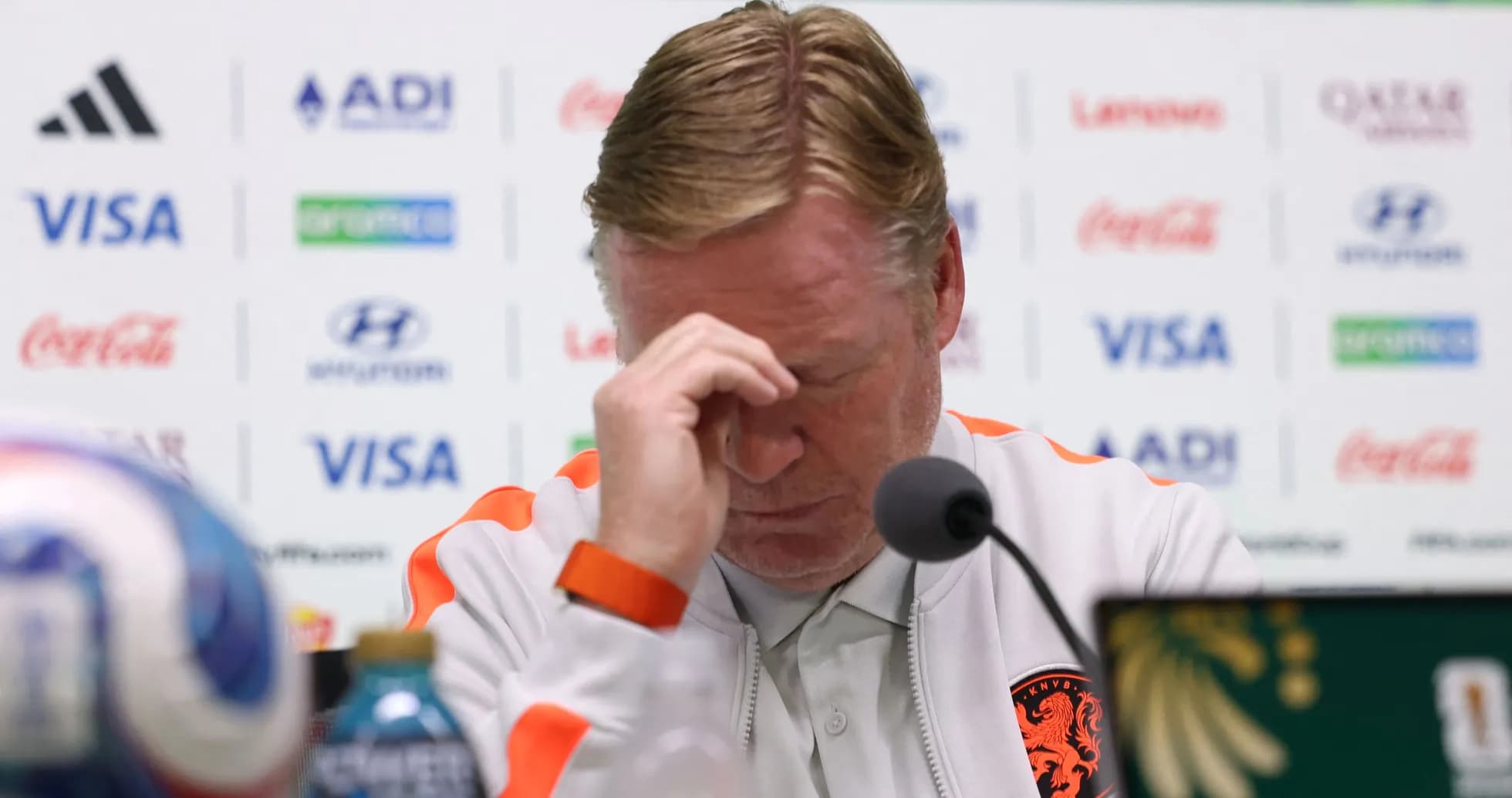
Germany are gone. The Netherlands are gone. Both fell on penalties, both undone by underdogs – Paraguay and Morocco – who refused to play their assigned roles.
No one needed reminding that one bad night can wreck four years’ work. This week has underlined it anyway.
Belgium’s reset and a Senegal test
Belgium know that feeling all too well. In 2018, they finished third, their so-called golden generation at full throttle. Four years later in Qatar, they crashed out in the group stage.
This time, there has been a quiet reset. Rudi Garcia’s side topped Group G and did it with a flourish, hammering New Zealand 5-1 on Friday to secure first place. One win, two draws, a place in the knockouts – modest on paper, but an improvement on the wreckage of 2022 and exactly what the coach demanded.
“We wanted to finish first in the group stage and we succeeded,” Garcia said. The job, though, is only just beginning. Next up is Senegal in Seattle, a tie that carries the weight of expectation and the shadow of recent European failures.
Senegal finished third in Group I with three points and a plus-2 goal difference, navigating a brutal section that included France and Erling Haaland’s Norway. The African champions are battle-tested and dangerous.
Romelu Lukaku knows it.
“Senegal has a lot of top-level players, and the coach is, too. I think it’s 50-50. We really shouldn’t underestimate them,” the striker warned.
Events elsewhere have already underlined his point. Germany, out to Paraguay. The Netherlands, out to Morocco. Belgium may be favourites, but that label has started to look more like a warning sign than a comfort.
Forward Charles De Ketelaere put it bluntly: “It doesn’t matter who the favorite is. We have confidence and need to be sharp. Yesterday showed that it doesn’t matter if you are the favorite.”
Belgium’s defence has been one of their strengths. With Thibaut Courtois in goal, they have conceded just two in three games. Senegal, led by Sadio Mané, arrive fresh from a 5-0 dismantling of Iraq and will test that back line from the first whistle.
They will have to do it, though, without first-choice goalkeeper Édouard Mendy, ruled out after injuring himself in a 3-2 loss to Norway. Mory Diaw, who kept a clean sheet against Iraq, is set to continue.
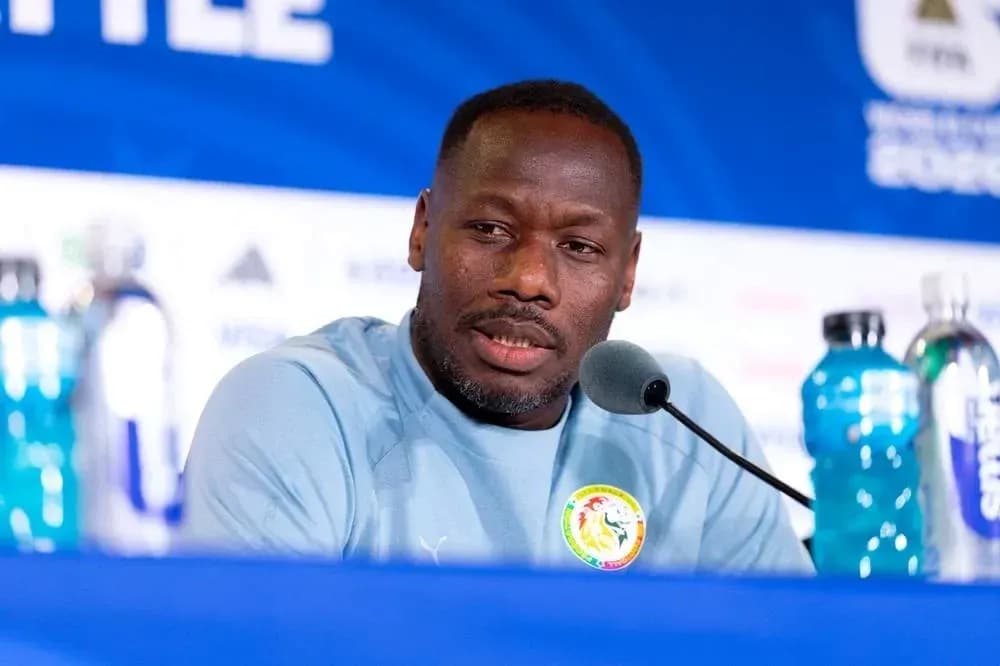
“Mory had a great performance,” coach Pape Thiaw said. “He kept a clean sheet and I think as the goalkeeper tomorrow, we hope that we’ll also come up with a clean sheet.”
Thiaw has watched this knockout round rip up assumptions and sees no reason his side cannot follow Paraguay and Morocco in flipping the script.
“It’s not because you finished top of your group that you’re not going to be knocked out in the next round,” he said. “That’s exactly what happened with the Netherlands. It’s another tournament starting. We are looking for the win tomorrow so that we can continue our journey.”
Garcia, for his part, will have one more option in defence. Center back Zeno Debast, yet to feature this summer due to a left leg injury, has returned to full training after an MRI at the weekend. He is back with the group, but the coach does not expect him to start, preferring to lean on the defenders who have already carried the load.
The stakes are simple for Belgium. Progress, or watch a generation fade out with a whimper.
England walk the tightrope
England arrive at their own crossroads.
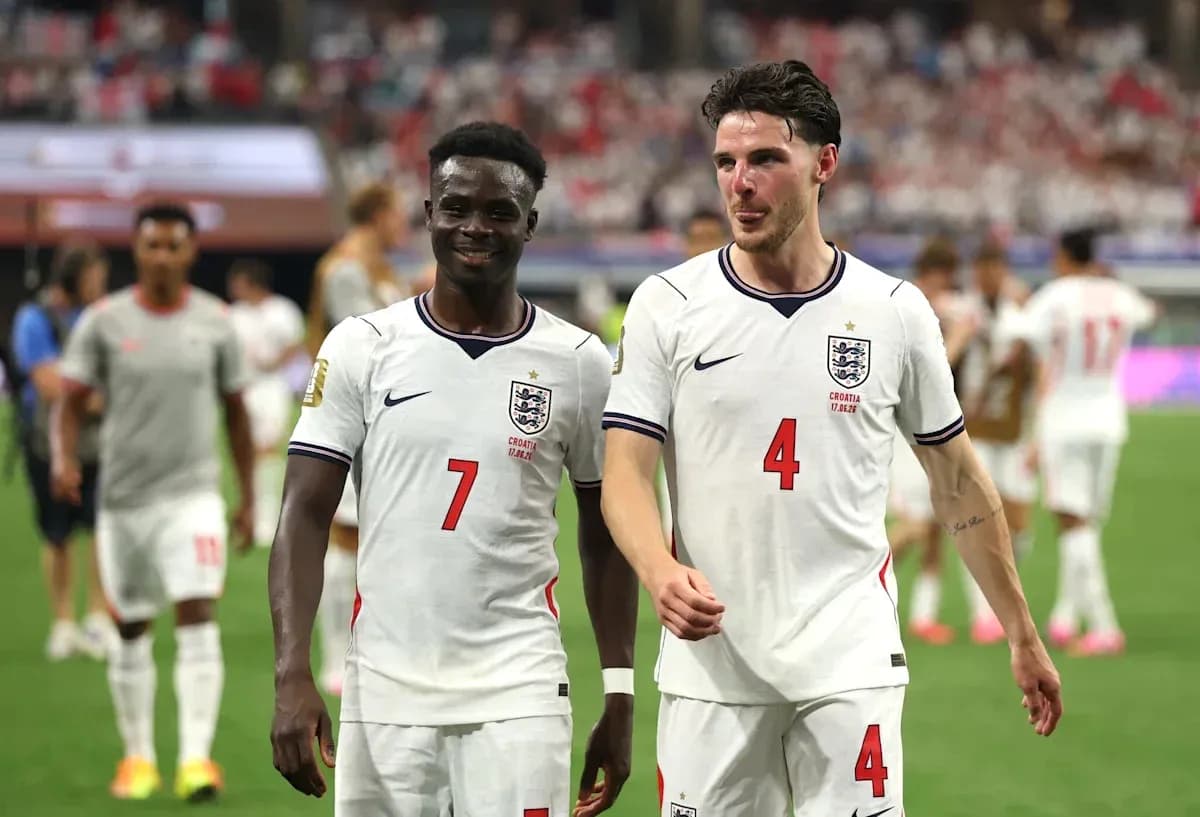
On Wednesday, they face the Democratic Republic of Congo in Atlanta, with a place in the last 16 on the line and the ghosts of Germany and the Netherlands still hanging in the air. Two European heavyweights have already gone. England do not intend to be the third.
The mission is clear: end a 60-year wait for a major trophy. The path, as Thomas Tuchel keeps reminding his players, is anything but.
“I feel it is a privilege to be in these situations,” the England coach said. “We are the favorites against DR Congo,” he admitted, before immediately undercutting any sense of comfort. The round of 32 so far, he added, has been decided by “narrow, narrow margins.”
England will lean heavily on Jude Bellingham and Harry Kane, the axis around which their attacking game turns. At the back, they will have to cope without Reece James, ruled out through injury at precisely the moment knockout tension tightens.
DR Congo, meanwhile, have built a squad that stretches across continents. Of the 26-man group, 20 were born outside the country, many in France. Yoane Wissa is a familiar face to England’s defenders from the Premier League. Aaron Wan-Bissaka and Axel Tuanzebe once wore England’s colours at youth level; now they stand in the way.
Coach Sébastien Desabre framed the occasion with a calm that belied the noise around it.
“Our World Cup is already a success relative to our goals,” he said. Few expected DR Congo to escape their group. They have. The pressure, he insisted, sits squarely on England’s shoulders.
He is right. For England, failure here would be catastrophic. For DR Congo, this is a free swing at history.
USA on the brink of a watershed night
Across the Atlantic, another nation is staring at its biggest football night in decades.
The United States meet Bosnia-Herzegovina in the San Francisco Bay Area on Wednesday, a knockout tie that could draw up to 30 million television viewers. In a crowded American sports landscape, football has been inching forward; this, the players know, could be a leap.
“Everyone knows in the back of our minds what this could do for this country,” midfielder Gio Reyna said. The group stage already shifted the mood. A deep run would do something more profound.
“We feel the country rallying around us,” he added. The numbers back him up. The sense of momentum is real.
The USA have not won a World Cup knockout match in almost 25 years. That drought hangs over them, but so does an opportunity: a chance to move the sport into a different conversation entirely.
Mbappé, Deschamps and a night of emotion
While all of that swirls, France’s win over Sweden carried a different kind of weight.
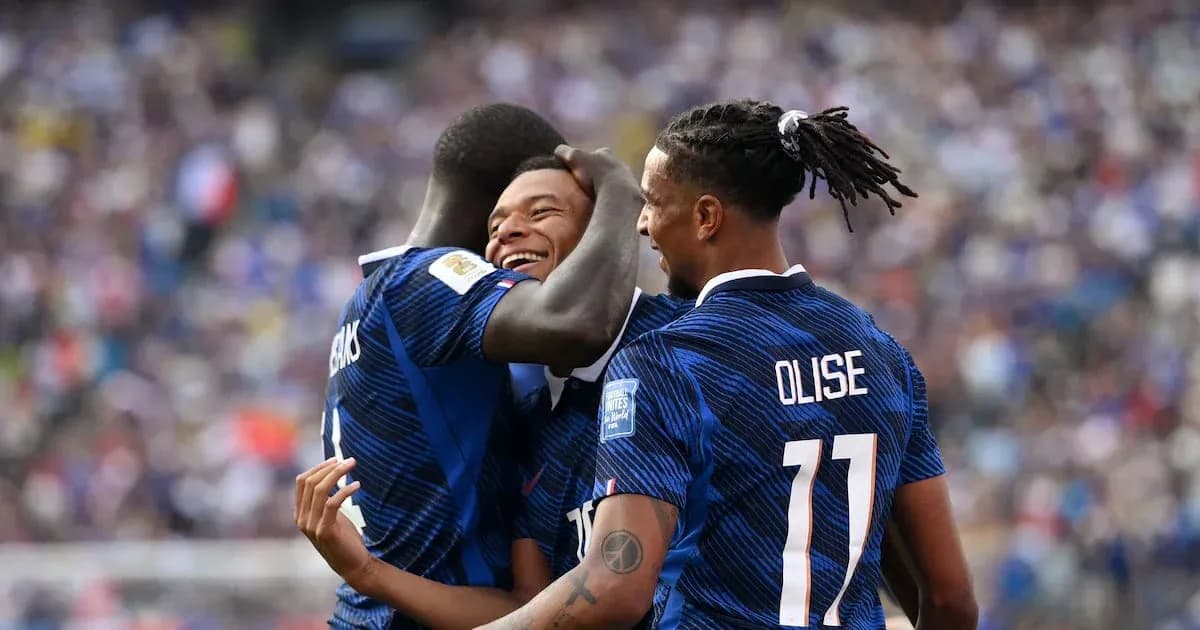
Mbappé’s two goals were the headline, but the image that lingered came in the celebration. After one strike, he and his teammates sprinted straight to Didier Deschamps on the touchline, wrapping their coach in a tight embrace.
Deschamps has been grieving the death of his mother this month. The gesture, Mbappé explained to beIN Sports, reflected the core of this France squad.
“We are all together,” he said. They know what their coach has been through, he added, and how hard that is. The moment said as much about the group’s unity as any tactical masterclass.
France looked like a team with a cause. Mbappé looked like a man determined to carry them to New York.
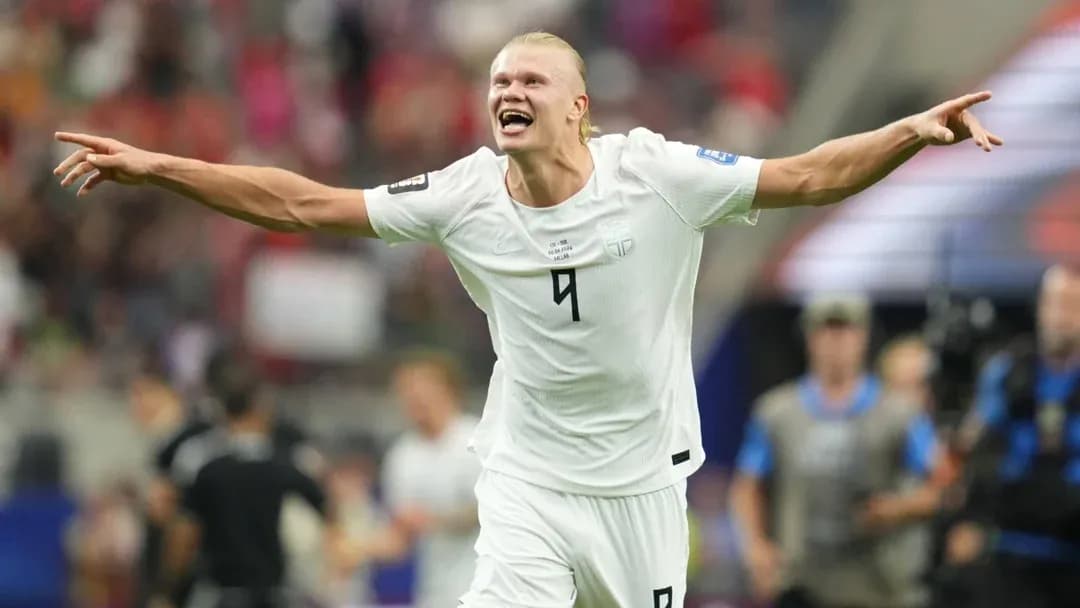
Elsewhere, Erling Haaland ensured Norway would not miss out on the drama. The striker prodded home the decisive goal in a 2-1 win over Ivory Coast, sending his country into the last 16 for the first time. Another rising power steps forward.
So the bracket tightens. Mbappé chases Messi. Belgium fight the clock. England balance on a knife edge. The USA stand on the brink of a watershed. Senegal, Paraguay, Morocco and DR Congo all circle, ready to pounce on any hint of arrogance.
The giants know the score now: in this World Cup, reputation buys you nothing.