Klopp Returns to Germany as Head Coach to Revive National Team
Jurgen Klopp is back.
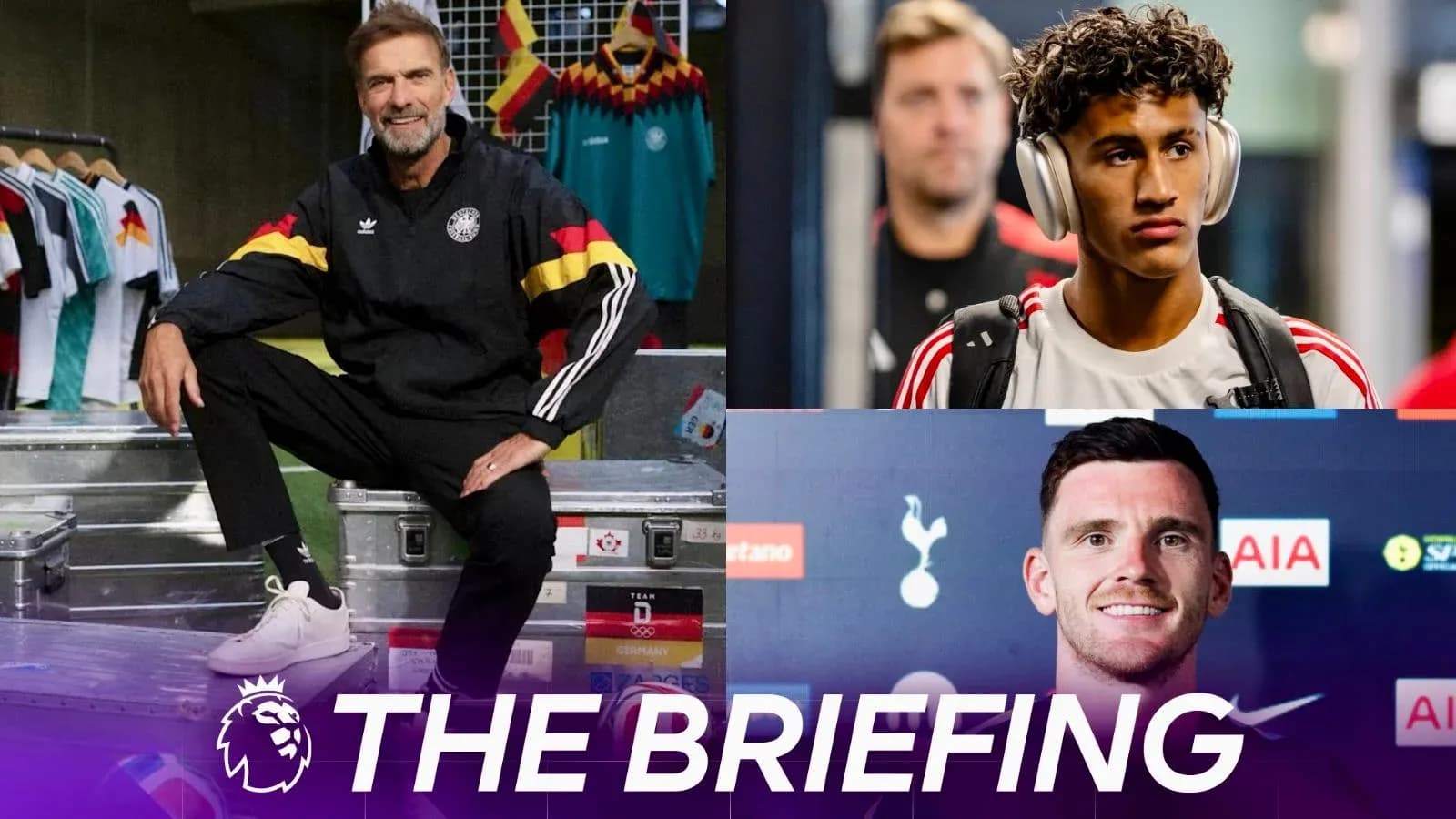
The cap, the grin, the whirlwind energy – all of it is returning to the touchline, only this time in black, red and gold. Germany have confirmed Klopp as their new head coach on a deal running through to the end of the 2030 FIFA World Cup, handing one of the game’s great modern motivators the task of reviving a fallen superpower.
It is his first job since walking away from Liverpool in 2024, when he cited fatigue after nine gruelling, glorious years that delivered the Premier League, UEFA Champions League and FIFA Club World Cup among a stack of trophies. He needed a break. Germany now need him.
This is not a ceremonial appointment. The national team is at one of its lowest ebbs. Julian Nagelsmann resigned last month after a damaging round-of-32 exit to Paraguay, a defeat that crystallised just how far Germany have drifted from their old standards of tournament certainty. Klopp is being hired not just to coach, but to jolt a footballing culture back to life.
He will lead Germany through the next UEFA European Championship and on to the 2030 World Cup, armed with a backroom team that speaks his language. Former Liverpool assistants Pep Lijnders and Peter Krawietz will join him, reuniting the core of the staff that transformed Liverpool from nearly-men into serial contenders.
There is change upstairs as well. Per Mertesacker, who left his post running Arsenal’s academy at the end of the 2025/26 season, will become the German Football Federation (DFB)’s sporting director in January. A World Cup-winning centre-back now overseeing the bigger picture, a serial club winner in the dugout – it is a clear reset.
For Klopp, the scale of the role has hit home quickly.
“Over the last few days it was almost like a movie happening to myself," said the 57-year-old, who had been Red Bull’s global head of soccer since late 2024. He spoke of always understanding how big the Germany job was, but only now truly feeling the weight of it. For years, he said, it felt “unimaginable” to take on the national team. Then, gradually, it became inevitable that the question would come. Now, he believes, “the time is right.”
The first act of this new era could hardly be more symbolic. In September, Klopp’s Germany will face the Netherlands, captained by Virgil van Dijk – the defender who became the cornerstone of his Liverpool side. Old alliances, new lines. For a country desperate to feel something stirring again, it will be unmissable.
While Germany turn to a proven heavyweight, Manchester United are looking far into the future.
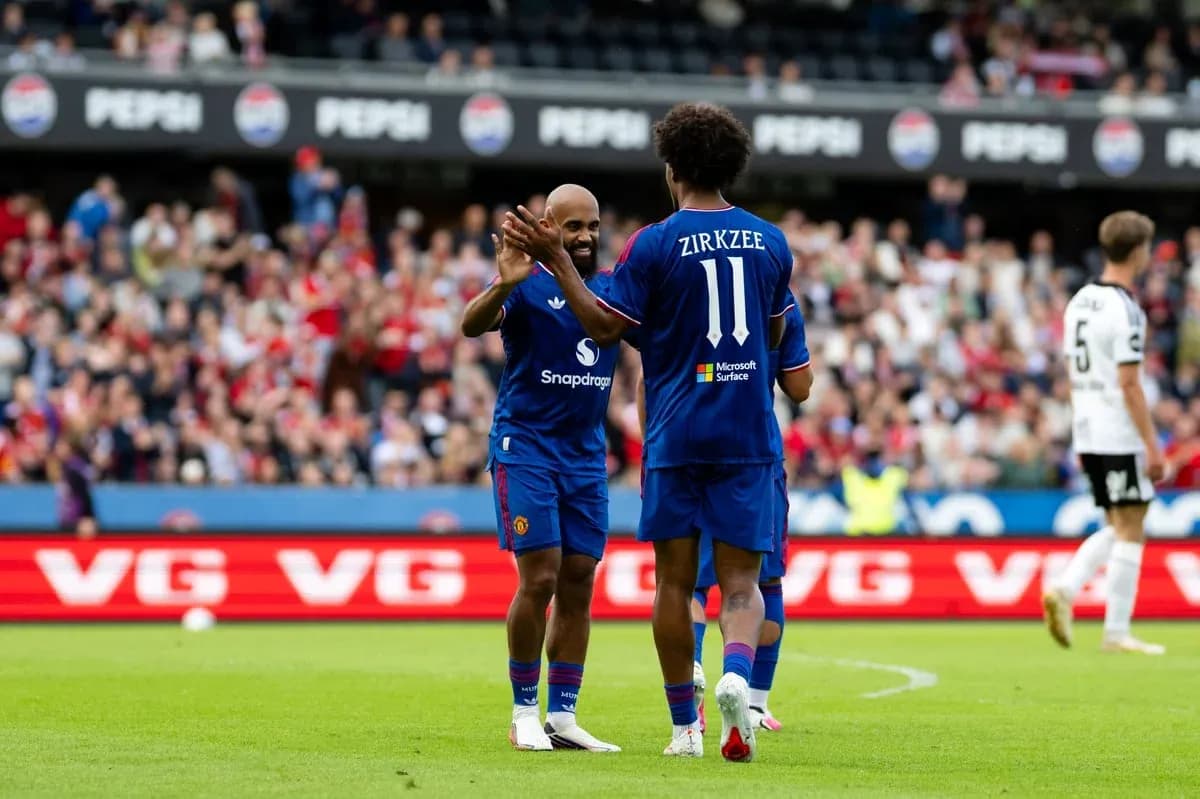
JJ Gabriel, the 15-year-old forward who has been lighting up academy pitches, has been named in a senior squad for the first time. He travels with a 25-man group for Friday’s pre-season friendly against Rosenborg in Trondheim, a small step that carries enormous symbolism for a club that has always prided itself on its youth.
Gabriel dominated the Under-18 Premier League last season. He was named player of the season despite starting the campaign aged just 14, a quirk that underlined both his precocity and the rules that held him back. He was not allowed to feature in a Premier League squad because academy players must have turned 15 before the end of August to be eligible that season.
So he waited – and tore through youth football instead.
Twenty-nine goals in 32 appearances. A driving force as United reached the FA Youth Cup and Premier League Under-18 Cup finals. A winger by trade, he spent much of the season operating centrally, drifting into dangerous spaces and finishing with the calm of a much older striker.
He could not be named in senior matchday squads, but he was a regular presence in first-team training. That integration was deliberate. United know what they have.
“JJ’s a big talent,” said manager Michael Carrick last season. “It’s pretty obvious to know that. And he’s had a really good season for the Under-18s. We obviously think an awful lot of him, but patience is important in managing everything that comes with working with him.”
Patience, and perspective. The youngest player to appear in a competitive match for United remains David Gaskell, the goalkeeper who debuted in 1956 at 16 years and 19 days. Gabriel turns 16 in October. The record is safe for now, but the pathway is open, and Trondheim offers a first real taste of the stage that lies ahead.
Up the coast, Newcastle United are betting hard on potential.
Their latest signing, 20-year-old central midfielder Aladji Bamba, arrives from Monaco having only made his professional debut last season. On paper, it looks like a gamble. In the context of Newcastle’s summer, it makes perfect sense.
Bamba’s arrival drags the average age of their incoming players down to 19.5. He joins goalkeeper Ewen Jaouen (20) from Reims, winger Bazoumana Toure (20) from Hoffenheim and central midfielder Sean Steur (18) from Ajax in a recruitment drive clearly geared towards the next five years rather than the next five months.
Newcastle have had to react to major departures. Sandro Tonali has gone to Tottenham Hotspur, Anthony Gordon to Barcelona. Instead of like-for-like, peak-age replacements, the club have turned to what they hope will be the next wave.
Bamba could be central to that plan. Although capable of operating higher up the pitch, he is naturally more defensive-minded and profiles as a potential long-term successor to Tonali’s role at the base of midfield.
The numbers from his breakthrough Ligue 1 campaign explain the interest. Among midfielders who played at least 500 minutes, Bamba ranked in the top five for duels won (9.1 per game on average), tackles (3.6), successful take-ons (1.6) and aerial duels won (1.9). He doesn’t just sit and screen; he competes, he carries, he imposes himself.
Newcastle are not shopping for finished products this summer. They are buying ceiling. Bamba arrives as another piece of a puzzle that will only be judged properly a few seasons from now.
In north London, a new left-back has chosen to start with a quiet gesture.
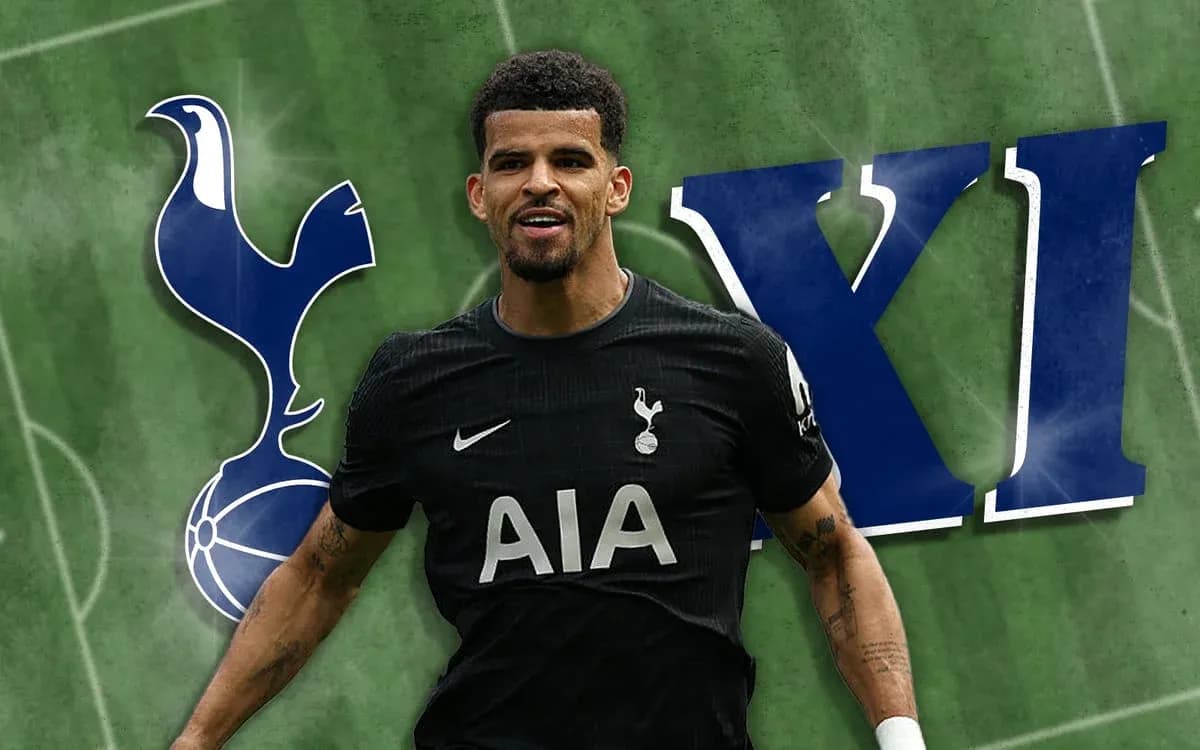
Andy Robertson, fresh from ending his nine-year spell at Liverpool, has decided against wearing his usual No 26 shirt at Tottenham Hotspur. The number has been untouched since Ledley King retired in 2012, and Robertson has no intention of changing that.
He wore 26 at Dundee United, Hull City and Liverpool. It became part of his identity. At Spurs, though, the context is different.
“From my point of view, I wanted to respect that,” he said of King, now a club ambassador. “He was an unbelievable player and has done so many good things for this football club.”
So Robertson will wear 3 instead – the number he uses for Scotland and one he says “means a lot” to him, tied to “so many good memories” at international level. When he learned it would be available, the decision, he said, was a “no-brainer.”
His first appearance in a Spurs shirt should come on their pre-season tour of New Zealand and Australia, with games scheduled against Auckland, Sydney FC and Chelsea. A new league chapter, a new shirt number, the same relentless full-back.
The settling-in process has already gone public. Robertson revealed that his closest friend in the squad is James Maddison, who promptly used social media to poke fun at him, posting a photo of the Scot looking less than thrilled on the long-haul flight to New Zealand with the caption: “He better liven up if he’s my company for this 26 hour flight.”
Twenty-two hours later, Maddison shared an update: Robertson smiling at last.
Respect for the past, eyes on the future – from Klopp’s seismic return with Germany to a teenager’s first senior trip at United, a data-driven rebuild at Newcastle and a quiet nod to a Spurs legend, the game keeps moving. The question now is who will shape the next decade most: the seasoned winners or the kids racing up behind them.