Kenya's Response After Heavy Defeat to Morocco in WAFCON
The scoreboard in Rabat was brutal: Morocco 4, Kenya 0. The reaction back home, just as unforgiving.
Yet in a quiet office in Salé, across the Bouregreg River from the Moroccan capital, one of Kenyan football’s most important voices urged the country to take a breath.
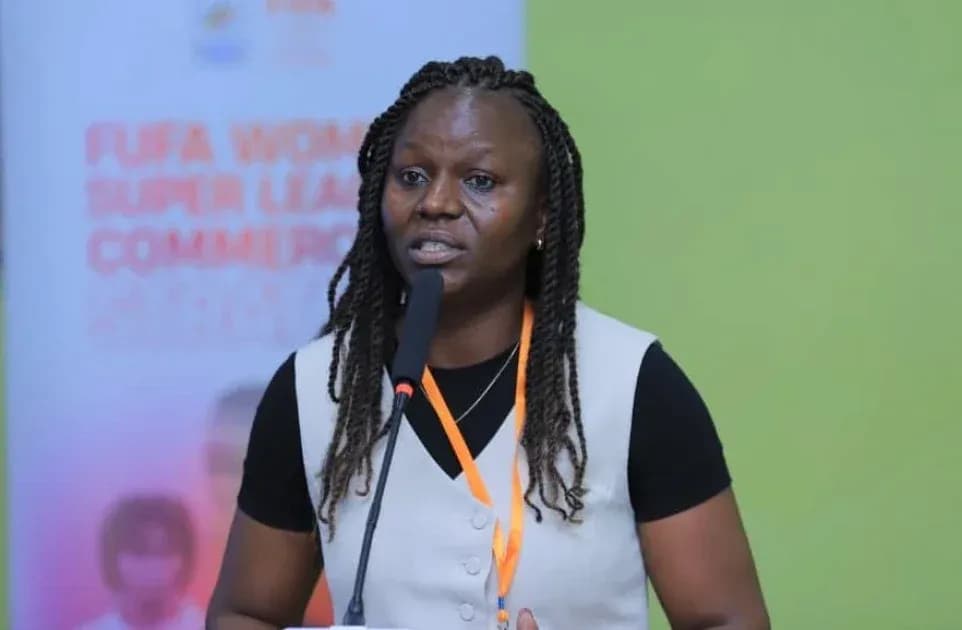
Former Harambee Starlets captain Doreen Nabwire, now a FIFA Women's Football Development expert, asked fans to stay patient and stand firmly behind the team as they navigate the 2026 Women’s Africa Cup of Nations (WAFCON) in Morocco.
“We have a good chance against Senegal and Algeria, and we can still turn things around,” she said, speaking to Kenyan journalists after the opening Group ‘A’ loss. “Morocco are a quality side. They have been intentional in their preparations, and they are among the top-ranked teams on the continent.”
Kenya’s campaign could easily be written off after such a heavy defeat. Nabwire refuses to do that. She knows the gap Morocco have worked to create.
Their ambition, she pointed out, stretches well beyond continental dominance. “They are targeting the FIFA Women's World Cup and striving to establish themselves on the global stage.”
“Kenya Did Not Qualify by Chance”
Nabwire’s message cut through the noise: the Starlets earned their place.
“Kenya did not qualify for this tournament by chance; the players earned their place through hard work,” she said. The result against the hosts hurt, but she insisted the story of this WAFCON is far from finished.
“The opening result was disappointing, our focus now should be on the remaining two group matches. If we can collect maximum points, we still have a chance of progressing.”
That is the equation now. Beat Senegal. Beat Algeria. Stay alive.
The task is steep, but not impossible. For a squad that battled its way to Morocco, this is not the moment to fold. It is the moment to respond.
A Game Growing Fast – and Demanding More
Nabwire has watched the women’s game evolve from the inside for over 15 years. From Werder Bremen in 2009, where she became the first Kenyan woman to play professional football in Europe, to her time at PEC Zwolle and her long service with the national team, she has seen how quickly the landscape can shift when a country truly commits.
“We have reached a stage where women's football is growing at a remarkable pace, and we must dare to dream. We should aim to qualify for the World Cup,” she said.
The dream, however, needs more than brave performances and a few standout players.
“Success depends on much more than what happens on the pitch. Winning matches is only one part of the many other factors that contribute to success.”
That is where her tone hardened. Talent alone will not drag Kenya into the upper tier of African football. The off-field structures must match the ambition.
“We must ensure that everything outside the pitch is taken care of before expecting players to deliver results,” she stressed. “We continue to face challenges with infrastructure, coaching and issues surrounding players' allowances. These are important factors because they directly affect motivation and performance.”
Creating the Right Environment
Nabwire spoke like someone who has lived the gaps she is describing.
From poor pitches to inconsistent support, she knows the obstacles that have stalked Kenyan women’s football. The message to decision-makers was clear: if the country truly wants to compete with Morocco and the continent’s elite, the foundations must change.
“If we want to compete at the highest level, we must create the right environment for our players,” she said. “Everything has to be in place to enable them to step onto the pitch, compete effectively and represent the country with confidence.”
The 4-0 defeat exposed tactical and technical shortcomings, but in Nabwire’s eyes, it also underlined a bigger truth. Preparation matters. Investment matters. Serious structures show on the pitch.
Standing Up to the Backlash
While the players tried to regroup in Morocco, a different storm brewed online. Social media turned harsh, the criticism swift and emotional.
Nabwire stepped in to shield the squad.
“In football, there are three possible results; you win, draw or lose,” she reminded. “When we win, everyone celebrates, but when we lose, people should understand that it is part of the game.”
The key, she insisted, lies in the response.
“We must learn from our mistakes, identify what went wrong, work on those areas and come back stronger.”
Her words were not an excuse for the performance in Rabat. They were a challenge to react with perspective, not panic. Heavy defeats can break a team or sharpen it. The next two fixtures will reveal which path Kenya chooses.
Senegal Next, With Everything on the Line
There is no time for self-pity. The schedule is ruthless.
Kenya face Senegal at the Olympic Stadium on July 30, with kick-off at 8:00 PM Kenyan time. On the same night, hosts Morocco meet Algeria at Moulay El Hassan Stadium at 11:00 PM Kenyan time.
By the end of that evening, Group ‘A’ will look very different. For the Starlets, it could be the night their campaign collapses—or the night it truly begins.
Nabwire believes they can still “fix their tactical errors” and push for a quarter-final spot. The margin for error has vanished. The opportunity has not.
The question now is whether Kenya can match her conviction on the pitch, and whether the country is willing to stand behind a team still learning how to live on African football’s biggest stage.