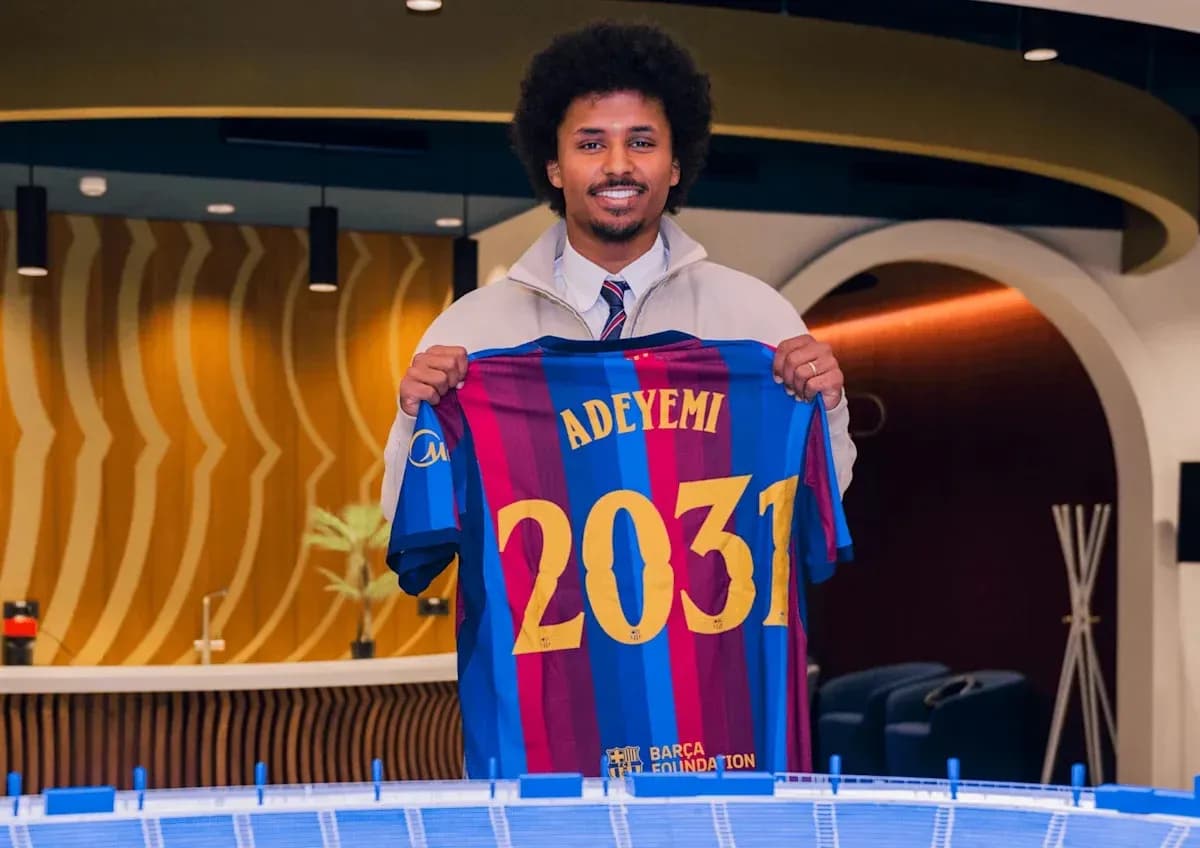
Karim Adeyemi's Transfer to Barcelona: A Shift in Dortmund's Strategy
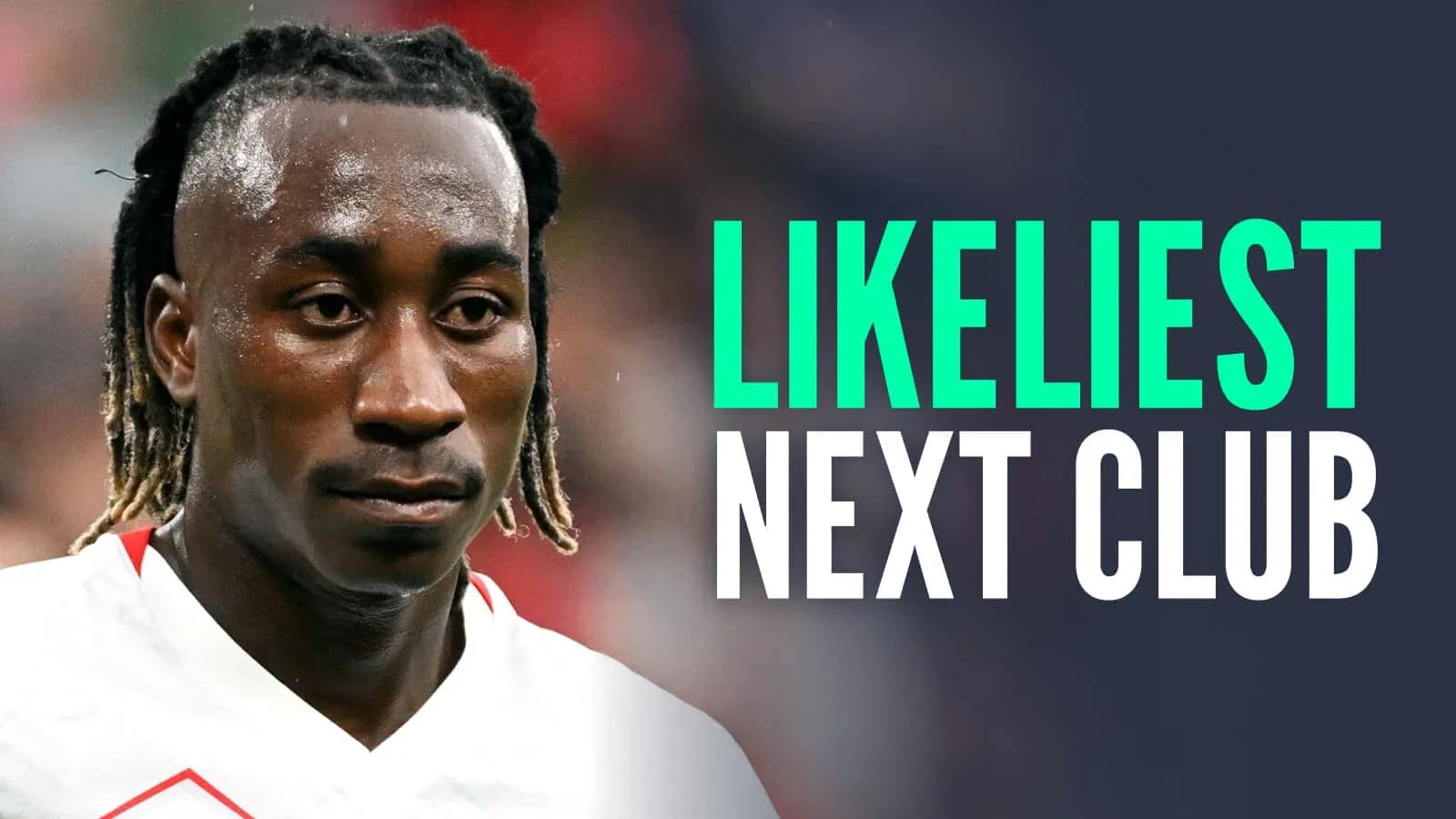
Barcelona’s move for Karim Adeyemi is more than just another attacking option for Hansi Flick. It quietly snaps one of modern football’s most reliable patterns: Borussia Dortmund buying low, polishing a rough diamond, and selling for a fortune.
This time, the machine didn’t spit out a jackpot.
Adeyemi has joined Barcelona for a fixed €22 million, with a further €7 million tied to performance-related add-ons. For a player in the final year of his contract, Dortmund can justify the deal. It’s tidy business. It is not spectacular business. And that, in Dortmund’s world, is news.
A rare misfire in a well-oiled model
Dortmund brought Adeyemi in from RB Salzburg in 2022 for €30 million, seeing the German international as the next in a long line of high-ceiling prospects who would explode in the Bundesliga and then on the balance sheet.
Fast forward four seasons and Barcelona have picked him up in a package that, even if every bonus is triggered, tops out at €29 million. At best, Dortmund break even on the initial fee. At worst, they take a small hit.
For almost any other club, that’s just the market. For Dortmund, it’s an anomaly.
This is the club that turned smart scouting and ruthless timing into an art form. Identify young talent. Give them a platform. Watch their value soar. Then sell at the exact moment the rest of Europe is desperate.
Adeyemi breaks that rhythm. No huge margin. No eye-watering profit. Just a clean exit.
When Spain came calling, Dortmund usually cashed in
The contrast with their biggest hits is stark, and Spain knows that story well.
In 2017, Barcelona came for Ousmane Dembele. Dortmund had paid Rennes €15 million the previous summer. One year later, they agreed a deal worth €135 million including bonuses. A profit of around €120 million off a single player. That transfer became a symbol of Dortmund’s model – and of Barcelona’s willingness to pay for potential.
Real Madrid followed a similar script with Jude Bellingham. Dortmund signed him from Birmingham City in 2020 for €29 million, betting on his maturity and ceiling as a teenager. Three years later, after turning him into one of Europe’s most complete midfielders, they sold him to Madrid for €127 million. Another colossal return, another validation of the project.
Those weren’t isolated windfalls. Jadon Sancho, Christian Pulisic, Erling Haaland, Pierre-Emerick Aubameyang, Henrikh Mkhitaryan, Mario Götze, Jamie Gittens – the list of players flipped for major profit reads like a who’s who of the last decade’s transfer market. Each one reinforced Dortmund’s status as one of the sharpest operators in world football.
Set against that backdrop, Adeyemi’s move to Barcelona looks almost understated. No frenzy, no record, no sense that Dortmund have once again bent the market to their will.
What Adeyemi’s deal really says about Dortmund
The Adeyemi transfer does not signal the collapse of a model. It underlines how unusual that model is. For years, Dortmund have made the extraordinary look routine. This is what happens when a deal is simply… normal.
Barcelona, meanwhile, sense value. €22 million, plus up to €7 million in add-ons, for a 22-year-old winger with Bundesliga and Champions League experience is a calculated gamble, not a wild swing. Flick gets another weapon. Dortmund get a reasonable fee before losing him for nothing.
The numbers tell the story. This is one of the few major Dortmund departures in recent years that hasn’t produced a substantial financial windfall. And that’s why it stands out.
The real question now is not how Dortmund allowed this one to slip below their usual profit line, but how long they can keep defying gravity in a market that rarely forgives even a single misstep.