José Mourinho's Emotional Journey: From Triumph to Heartbreak
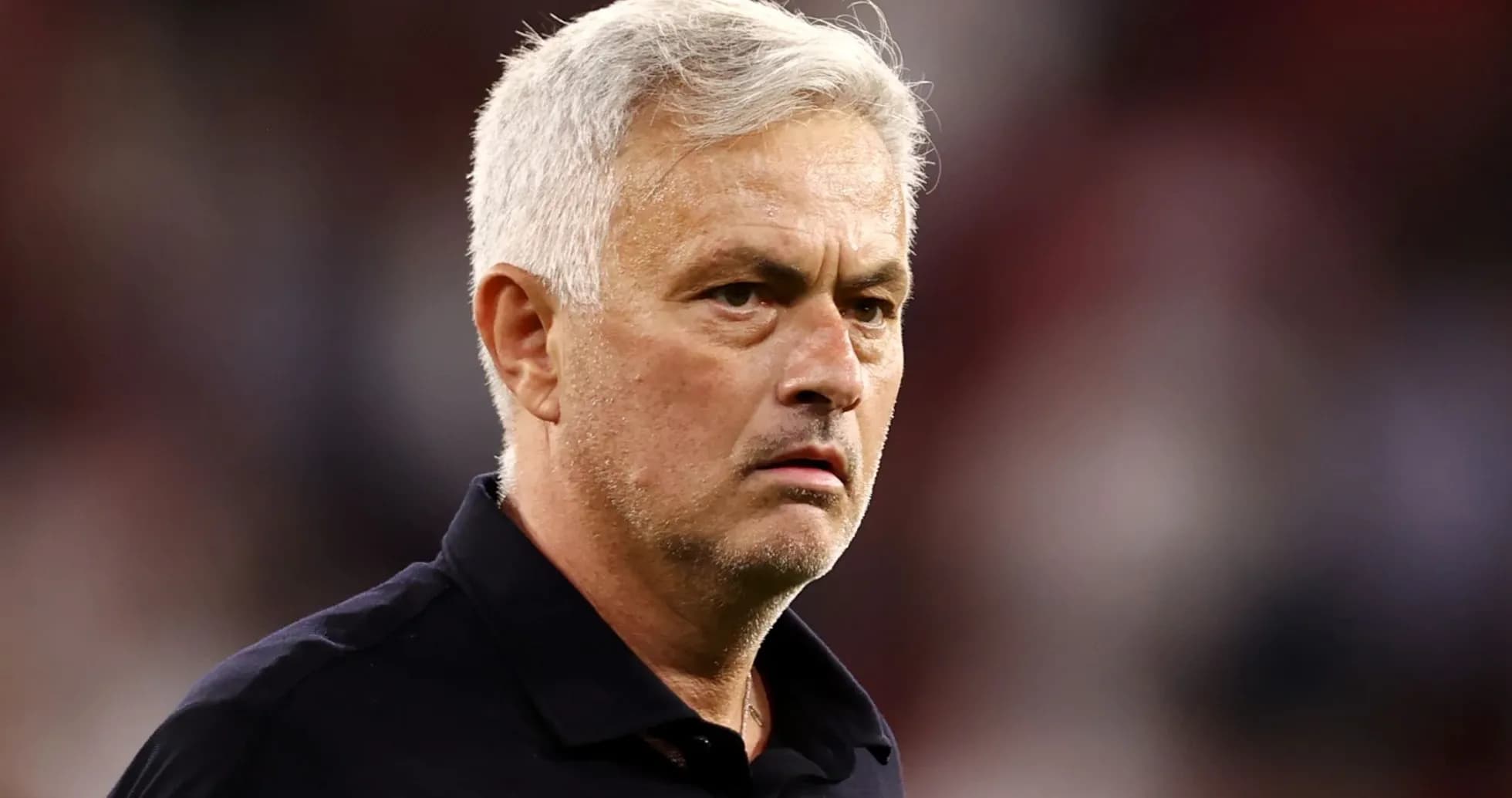
José Mourinho has coached in some of football’s fiercest arenas, lifted the game’s biggest prizes and survived its most unforgiving storms. Yet one night still gnaws at him.
Not the “Miracle of Istanbul”. Not a Clasico. Not a title decider.
Roma vs Sevilla in the Europa League final. And, in his words, “without Anthony Taylor”.
The one that got away
During a combustible spell in charge of Roma, Mourinho dragged the Giallorossi back onto the European stage with a force of personality that matched the city around him. He took them to back‑to‑back European finals, a club reborn under a coach who thrives where the stakes feel almost unbearable.
The first of those nights ended in ecstasy. In 2022, Roma beat Feyenoord in the inaugural Europa Conference League final, a competition many had mocked, few had taken seriously, and which Mourinho promptly turned into a civic uprising.
That victory did more than fill a new line on his CV. It completed a unique UEFA treble: Champions League, UEFA Cup/Europa League and Conference League. No one had done it before. No one has matched it since.
It also snapped an 11-year wait for major silverware in the Italian capital. For a club that lives permanently on the edge of emotional overload, that drought had become a weight. Mourinho ripped it away.
The second final, in Budapest against Sevilla, brought the other side of the coin. A first European final defeat for a coach who had built his reputation on being untouchable on these nights. Roma fell on penalties. The performance of the Premier League-based officiating team, led by Anthony Taylor, left Mourinho incandescent.
Time has moved on. Careers have shifted. The Portuguese is heading back to Real Madrid for a second spell at the Santiago Bernabéu. Yet the scars of that evening remain fresh enough that, when asked on the Beast Mode On Podcast by Adebayo Akinfenwa to choose one game he’d replay, the answer came without hesitation.
“Roma - Sevilla, Europa League final. Without Anthony Taylor!”
The match still sits there for him, like an unfinished argument.
Anfield, Bernabéu and the weight of expectation
Mourinho’s career is littered with hostile nights and hostile crowds, but he still singles out one ground as the ultimate test: Anfield. The home of Liverpool, where banners drip from the stands and the noise feels like it comes from the concrete itself, remains the most challenging away venue he has known.
He has gone there with Chelsea, with Manchester United, with teams built to withstand pressure and chaos. Anfield still leaves its mark.
Now he returns to Madrid, to what he calls the best dressing room in the game. It is not hard to see why. Jude Bellingham, Kylian Mbappé, Vinícius Júnior — a cluster of generational talents, all under the same roof, all about to work with him again under a three-year contract.
This is not the same Real Madrid he left in 2013, but the expectations are familiar. During his first spell, he delivered La Liga and the Copa del Rey, titles carved out in the middle of a ferocious rivalry with Pep Guardiola’s Barcelona. Those trophies still carry a particular edge in his memory.
Now the demand is simple and brutal: put Madrid back on a relentless trophy march and bend this star‑studded squad to his will.
Rome, the parade and a different kind of glory
For all the glamour of Madrid, all the noise of England and the history he wrote at Porto and Inter, Mourinho does not hesitate when asked which achievement fills him with the most pride across his 26 years in management.
“I did a few!” he said, before turning back to that night in Tirana and the days that followed. “When we won the Conference League in Roma, that city went mad.”
He is not exaggerating. Rome is a city where the club is not just a badge but an identity, a fault line that runs through families and neighbourhoods. When Roma finally had a European trophy to celebrate, the reaction went beyond joy. It bordered on delirium.
“I believe that we did to that city what Champions League winners cannot do in other cities,” Mourinho said. “Roma is a city where people are really, really, really in love with that club. A giant club with incredible passion. Absolutely incredible.”
The Conference League did not carry the prestige of the Champions League or Europa League. It was new, untested, even dismissed in some quarters. That did not matter on the streets of the Italian capital.
“Of course, when we won the Conference League it was the first season of the Conference League, I don't think Europe was giving [recognition] to the Conference League what it is giving now,” he reflected. “When we arrived in Rome and we went for the parade around the Colosseum, Circus Maximus, you realise what you gave to those people.”
The images from that day — the bus inching past ancient stone, the sea of flags, the flares, the songs that seemed to shake the ruins — told their own story. This was not just a trophy. It was a release, a validation, a shared memory that will outlive everyone who took part.
Mourinho has chased greatness in the sport’s grandest arenas, and now he heads back to one of them with Real Madrid. Yet the night he wants back is a lost final with Roma. The triumph that moves him most is a third-tier European title that made a city lose its mind.
The trophies are counted in glass and metal. The legacy, as he knows better than most, is measured in nights when a club and a city feel like the centre of the footballing world.