Jorge Jesus Set to Lead Portugal National Team After Martínez Exit
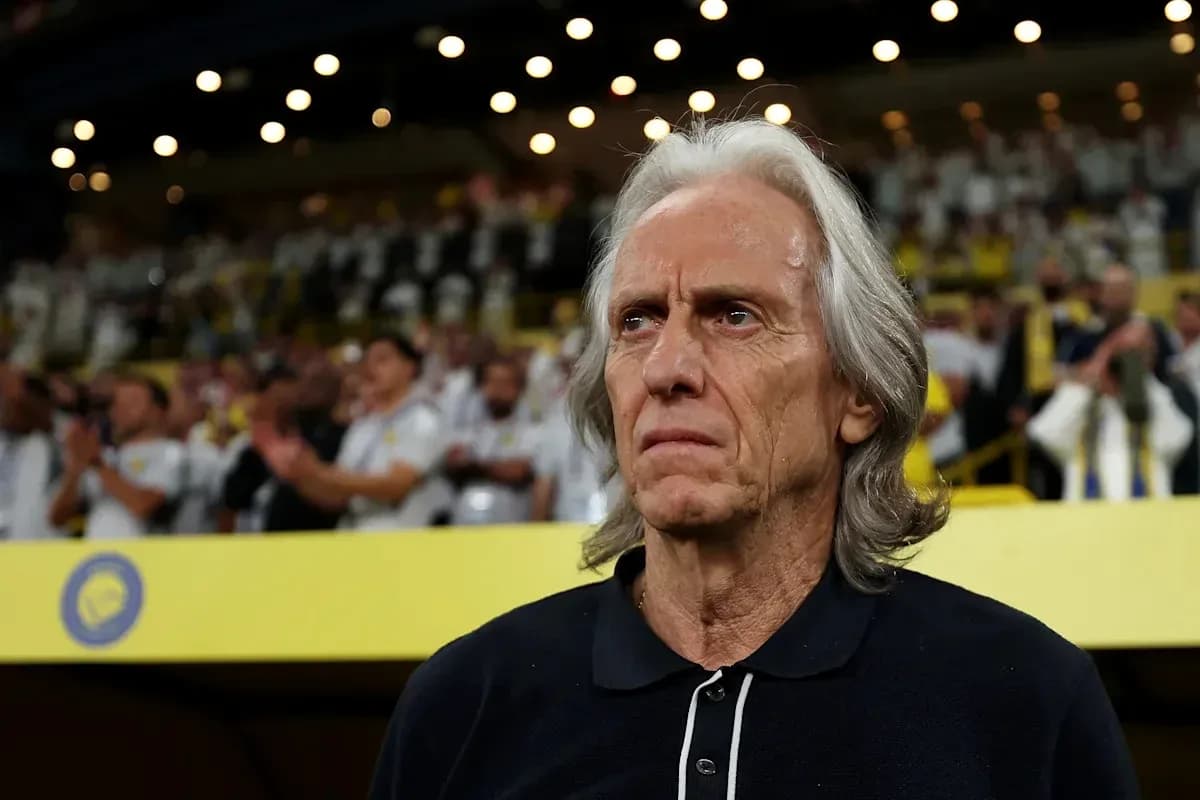
Portugal is turning the page. Barely hours after Roberto Martínez confirmed his departure in the wake of World Cup elimination, Jorge Jesus is poised to become the new national team coach.
The move, reported by Portuguese newspaper A Bola, comes on the heels of Portugal’s painful exit to Spain in the round of 16 at the 2026 World Cup in the United States. Mikel Merino’s goal deep into second-half stoppage time ended Portugal’s campaign and, as it turns out, Martínez’s tenure.
A new cycle, a familiar face
Jesus, recently free after his spell in Saudi Arabian football, has emerged as the clear, almost unanimous choice to lead the next cycle. His profile fits what the Portuguese Football Federation wants now: experience, authority, and a coach used to working under intense scrutiny.
According to A Bola, a decisive meeting between Jorge Jesus and FPF president Pedro Proença is expected in the coming days, once the Portuguese delegation returns from the United States. That sit-down should seal the agreement and formalize a change that already feels inevitable.
Martínez bows out after late heartbreak
The end for Martínez came in brutal fashion. Portugal went toe to toe with Spain in a tight, tense Iberian clash, only to be undone at the death. Merino’s stoppage-time strike turned a balanced contest into a knockout blow.
Facing the media right after the final whistle, Martínez did not dodge the moment. He confirmed his goodbye in clear terms:
"It is the end of the cycle. It is important now to have that again, and it is legitimate for the president to choose his national team coach. I am grateful for all the support they gave me."
With that, a tenure that promised a deep run with one of the most gifted squads in Portugal’s history ended in the first knockout round.
A campaign that never fully clicked
Portugal arrived at the World Cup with expectations to match its talent. The squad was stacked, the pathway seemingly open. The performances never quite matched the hype.
In the group stage, they stumbled out of the blocks. A draw against the Democratic Republic of the Congo set a hesitant tone. The response was emphatic: a thrashing of Uzbekistan that briefly suggested Portugal had found its stride. Then came a goalless draw with Colombia, a result that underlined the inconsistency and left them advancing only in second place.
The second round brought a stern examination against Croatia. Portugal had to come from behind in a bruising, highly contested match, showing resilience and flashes of the attacking quality that had been expected from the start. It felt like a turning point.
Spain ended that idea. The round-of-16 clash was tight, tactical, and nervy. Chances were scarce, margins razor-thin. As extra time loomed, Merino struck, and with that single moment, the campaign was over.
A demanding road ahead
Now the responsibility shifts to Jorge Jesus, a coach known for his intensity on the touchline and his uncompromising demands on players. He inherits a squad rich in talent but still searching for a clear identity on the biggest stage.
Portugal wanted a new cycle. With Jesus, they are not just changing the name on the bench; they are inviting a very different kind of fire into the dugout. The question is simple and unforgiving: can he turn this golden group into genuine world champions, or will another opportunity slip away?