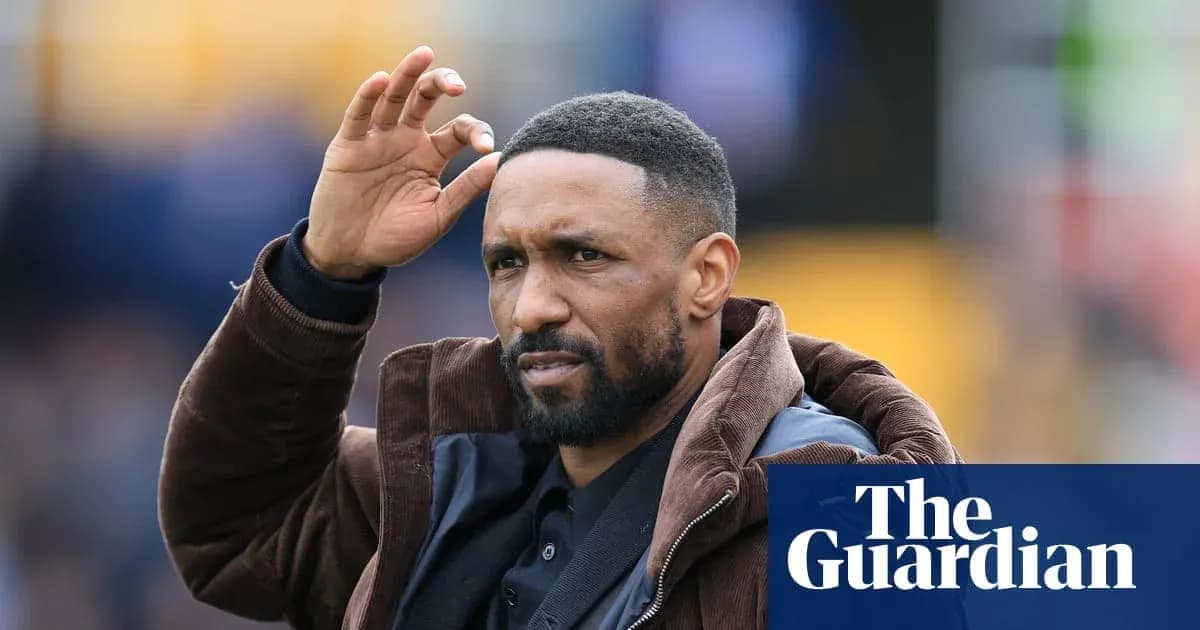
Jermain Defoe's Management Exit from Woking: A Sour Fallout
Jermain Defoe’s first step into management has ended after just four months – and the parting of ways with Woking is already turning into a bruising public fallout.
The former Tottenham and England striker left the National League club on Thursday by mutual consent, having taken charge of only six matches. His record on the touchline was modest but far from disastrous: two wins, one defeat, and three other results that hinted at a work in progress rather than a crisis.
Yet behind the scenes, tension had been building.
Defoe, 43, framed his departure as a matter of principle. He said it had become “impossible for me to continue” and called his spell in Surrey an “eye-opening” experience – words that suggested frustration with the realities of life outside the elite game.
Woking’s response has been anything but diplomatic.
In a strongly worded club statement on Saturday, director of football Jody Brown not only accepted responsibility for appointing Defoe, but laid out a series of concerns that, he says, had been growing across the club.
“The recommendation to appoint Jermain as manager was mine, and I take full responsibility for it,” Brown said. “After meeting with him on several occasions, I believed he was the right person to lead the club into an exciting new era.”
The optimism did not last.
“However, in recent weeks there had been feedback from across the club, including players, staff and other departments, regarding growing concerns,” Brown added.
Those concerns, Brown claims, were not just about style or strategy. They were about basic operations.
Sensing something was wrong, Brown says he tried to pin down the detail. He requested a short report from Defoe and his assistant Paul Bracewell – a document setting out squad depth, recruitment targets and any operational challenges that might hinder preparations for the new season.
It should have been straightforward. A simple planning tool. A chance to align football and boardroom.
According to Brown, it never arrived.
“To better understand the situation, I asked Jermain and Paul for a brief report outlining the squad’s current depth, recruitment targets and any operational challenges, so we could provide the support required and accelerate preparations for the season,” he said. “That report was requested on more than one occasion but was never received.”
Brown also claims Defoe failed to turn up for training, a serious accusation at any level, but especially damaging for a rookie manager trying to establish authority and set standards in a dressing room.
The contrast in narratives is stark. On one side, a high-profile former international talking about impossibility and disillusionment. On the other, a National League club painting a picture of mounting internal unease and a manager who, they say, did not meet key expectations.
For Woking, the focus now is on salvaging their pre-season plans and finding a leader who fits the demands of a tight-budget, hands-on operation. For Defoe, the question is sharper: after such a turbulent first taste of management, when – and where – does he dare step back into the dugout?