Ipswich Town Signs Daizen Maeda to Boost Premier League Ambitions
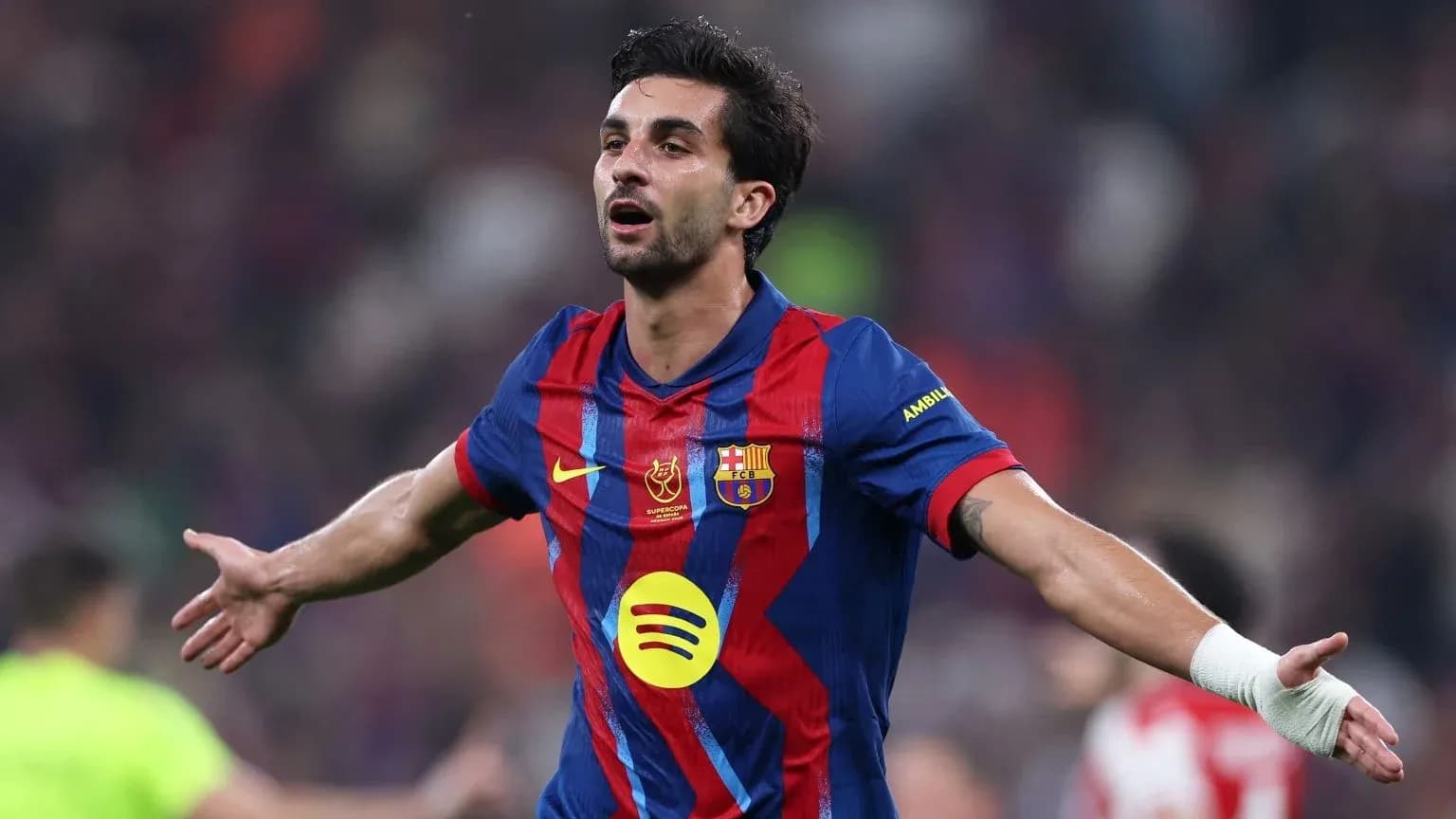
Ipswich Town have turned to one of Celtic’s relentless runners to fuel their Premier League return, sealing a three-year deal for Japan forward Daizen Maeda in a move worth a reported £10m.
For a club back in the top flight and intent on staying there, this is a statement built on sweat, speed and scars earned on big stages.
Premier League dream meets Ipswich’s new era
Maeda arrives at Portman Road at 28, fresh from the 2026 World Cup, where he helped Japan reach the last 32 before Brazil ended their run. Now he walks into a club riding the surge of promotion, but also facing the cold reality of a division that punishes hesitation.
“I have always dreamed of playing in the Premier League and I am very happy I can realise that dream with this club,” he told Ipswich’s website. The words are simple. The journey behind them is not.
Gary O’Neil, appointed in the summer after Kieran McKenna’s departure, has been quietly reshaping the squad for the step up. In Maeda, he sees a forward who fits his blueprint.
“He works extremely hard and has impressive physical attributes, while also proving over a number of years playing in Scotland that he has the ability to score goals and create for his team,” O’Neil said. That is the essence of the signing: intensity with end product.
Ipswich have been busy. Defender Issa Diop, winger Abdul Fatawu, striker Emersonn and goalkeeper Kayne van Oevelen have all arrived, while Cedric Kipre and Chuba Akpom have turned successful loans into permanent stays. Maeda now joins that group as the headline attacking addition, the one expected to stretch defences and drag Ipswich up the pitch when the pressure closes in.
From unknown J-League flyer to Celtic cult figure
When Maeda first landed in Glasgow from Yokohama F Marinos in late December 2022, initially on loan, he was a curiosity rather than a certainty. A relatively unknown J-League attacker dropped into the early days of the Ange Postecoglou revolution, another high-energy piece in a fast-paced puzzle.
He left as a decorated and decisive figure.
Across 212 appearances for Celtic, Maeda scored 79 goals and stacked his medal collection: five league titles, three Scottish Cups and two League Cups. Those numbers tell one story. The way he earned them tells another.
His pace and relentless work without the ball became a defining feature of Celtic’s modern era. He pressed, he harried, he ran when others slowed. For long stretches he was a wide forward, a chaos agent on the flank. Then came the 2025-26 campaign, the season that will sit at the heart of his Celtic legacy.
Celtic failed to adequately replace Kyogo Furuhashi through the middle. The solution, eventually, was Maeda. Almost an entire season as the central striker, almost an entire season carrying the weight of a club that expects trophies, not excuses.
It did not click straight away. He laboured through a barren spell of one goal in 18 games as Celtic slipped to second, chasing Hearts at the top of the Premiership. The doubts grew. So did the stakes.
Then the switch flipped.
The run that changed a title race
What followed was the kind of surge that defines careers. Maeda rattled in seven goals in five Premiership matches, two of them winners, dragging Celtic back into a title race that looked like it might run away from them.
The defining moment came on the final day, at home to Hearts. Score level at 1-1. Nerves fraying. The league on a knife edge.
On 87 minutes, Maeda took his chance. He fired beyond Alexander Schwolow, the second goal in a 2-1 win, and Celtic Park erupted. That strike did not just win a match; it sealed a championship and etched his name into the club’s modern folklore.
His Celtic farewell carried the same sense of timing. In his final appearance, the Scottish Cup final against Dunfermline Athletic, Maeda opened the scoring in a comfortable victory, one last contribution on a big stage before the curtain fell on his time in green and white.
No wonder the club’s statement carried a tone of genuine gratitude.
“His relentless energy and vital goals were an essential part of the team over the past four-and-a-half years, and he was a firm favourite with Celtic fans,” it read. “As he heads on to pastures new at Ipswich Town, everyone at Celtic thanks Daizen for his contribution to the club over the past few years and we wish him all the best for the future.”
Maeda himself called the last four and a half years at Celtic “the most special chapter” of his career and life, paying tribute to teammates, staff and “the best supporters in the world” and thanking them for standing by him “through every high and low.”
What Ipswich are really buying
Strip away the emotion and the medals and Ipswich are getting something very specific: a forward who runs himself to the edge every game, who presses from the front, who has proven he can deliver when a season hangs in the balance.
For a newly promoted side, that matters. Ipswich will spend long spells without the ball. They will need forwards who can turn clearances into counter-attacks, who can unsettle established Premier League defences, who can turn half-chances into survival points.
Maeda has already shown he can adapt to a new country, a new league, and a demanding club with unforgiving standards. He has already shown he can come through a slump and still deliver when the pressure peaks.
He arrives in England with a World Cup on his CV, a stack of trophies behind him and a Premier League dream finally within reach.
Now comes the hard part: proving that the man who lit up Celtic Park can ignite Portman Road against the best defences in the country.