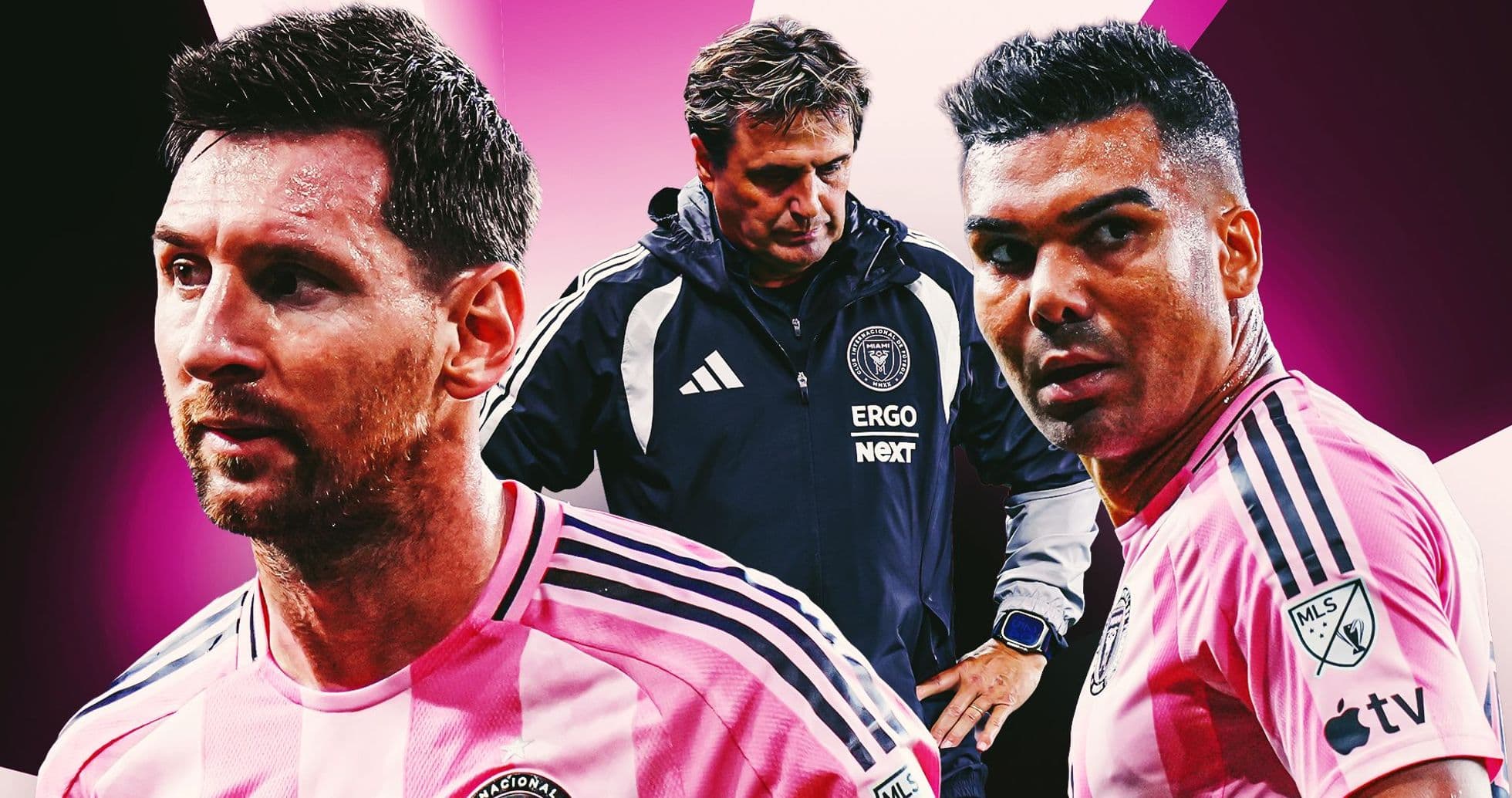
Inter Miami's Reliance on Messi Threatens Future Success Without a Clear Plan
At the end of recent matches, Lionel Messi has often been seen quickly leaving the pitch without engaging in the usual post-game interactions. The 39-year-old legend simply plays and then disappears into the tunnel. While this is understandable given his age and status, it also symbolizes how much Inter Miami depends entirely on him. The club’s success, both on the field and commercially, revolves around Messi’s presence.
Messi transformed one of Major League Soccer's weaker teams into champions, lifting Miami onto the global stage. This achievement was supported by heavy investments from Jorge Mas and the influence of David Beckham, creating a near-perfect combination. Yet, this setup has an inevitable expiration date.
The Clock Ticks on Messi's Career
At 39, Messi's international career likely ends after the 2026 World Cup. His recent social media posts following personal loss have sparked questions about his future plans. Although his contract with Miami runs until 2028, no agreement can guarantee he will play that long.
The club must start preparing for life without him. Relying solely on Messi risks a steep decline once he leaves.
Current Team Weaknesses Exposed
Miami’s current squad is far from strong. Their 4-1 defeat to Nashville highlighted their vulnerabilities. Despite holding most of the ball, Miami was undone by quick counterattacks. The midfield lacked pace, leaving large gaps that opponents exploited.
- Key Players: Hany Mukhtar scored twice, Sam Surridge and Andy Najar added goals, while Eddi Tagseth and Matthew Corcoran dominated central midfield.
- Defensive Issues: Miami struggled to maintain shape, especially with a drop-off in quality from Jordi Alba to Sergio Reguilón.
The team’s strategy appears clear: shut down Messi, and Miami’s weaknesses become glaring. Messi avoids defensive duties, Luis Suarez is aging, Rodrigo De Paul works hard but the midfield overall struggles. These flaws lack easy tactical fixes; Miami is an average playoff team propped up by one player.
Questionable Transfer Decisions
Miami’s transfer moves suggest little planning beyond keeping Messi satisfied. They have invested heavily yet failed to strengthen key areas effectively. Elite central midfielders are rare, but alternatives like N'Golo Kanté might have been more valuable than recent signings such as Casemiro or Berterame, who lacks a standout skill.
Younger talent like Benjamin Cremaschi felt underused and sought opportunities elsewhere, a sign of mismanagement. Many signings seem driven by Messi’s preferences rather than a coherent long-term strategy.
Casemiro said at his Miami introduction: "I am here only to play with the best player of all time. I want to help him keep winning because he is a winner."
Whether Messi directly influences these choices or not, the team appears built around him, not for sustainable success.
What If Messi Leaves?
Messi’s departure would be a major setback whenever it happens. Miami would be left with expensive designated players who do not fit well together. De Paul and Berterame have contracts through 2029, and Casemiro’s financial terms could complicate roster flexibility.
The club needs a successor who can lead both on the pitch and in marketing. Julian Alvarez fits the profile: young, talented, marketable, and connected to Argentina. Yet acquiring him seems unrealistic given his €75 million transfer fee plus add-ons, and Madrid’s refusal of a €150 million offer this summer.
If Alvarez is unattainable, Miami might look to American stars like Christian Pulisic or Weston McKennie. Both bring quality and U.S. appeal but lack Messi’s worldwide draw. They could help rebuild but won’t replace Messi’s unique magnetism.
The Business and Sporting Challenge Ahead
Messi isn’t just a player for Miami; he is the foundation of their business model. Sponsorships, ticket sales, and global interest revolve around him. A stadium stand bears his name, and he reportedly holds ownership shares. Losing Messi means losing the core identity of the club.
MLS is entering a new era with a Fall-Spring schedule starting in 2027-28 and potential salary cap adjustments allowing bigger spending. Miami needs to plan carefully to take advantage of these changes rather than remaining dependent on one star.
A Fragile Future
Before Messi arrived, Miami was among the league’s worst teams. Big-name signings had failed to generate impact or fan interest. By mid-2023, Miami were nearly out of playoff contention, had just fired Phil Neville, and showed little promise.
The risk now is slipping back into that mediocrity once Messi leaves. The club’s identity and fortunes are tied so closely to him that planning for a future without Messi feels overdue and urgent.
Maybe Messi still has enough fuel to lift Miami to another trophy. Recent results, especially the heavy loss to Nashville, suggest it won’t be easy for an incomplete team.
Until then, Miami watch their star retreat quickly after each disappointing result, wondering what remains when he finally walks away for good.