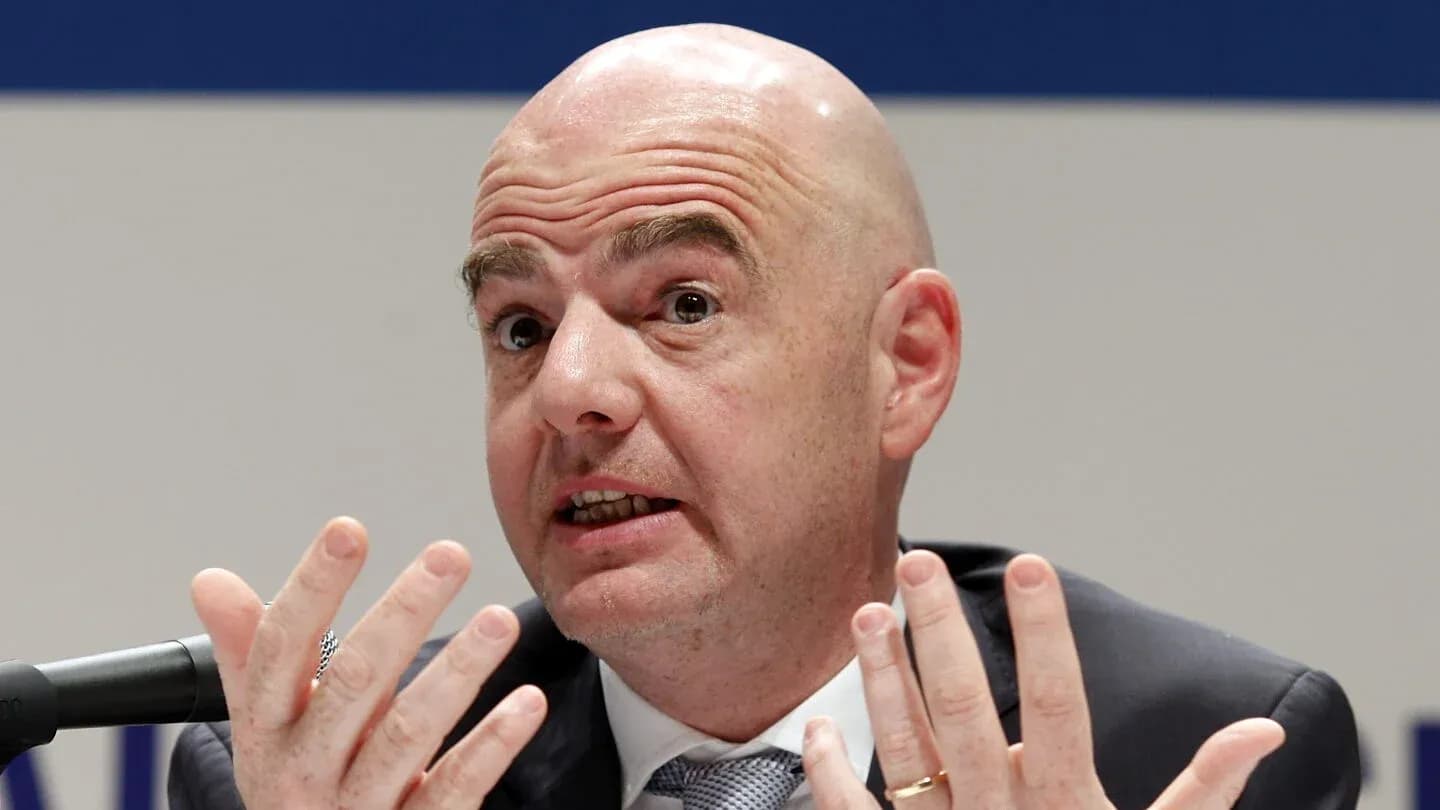
Infantino Withdraws Controversial FIFA Forward Enterprise Proposal
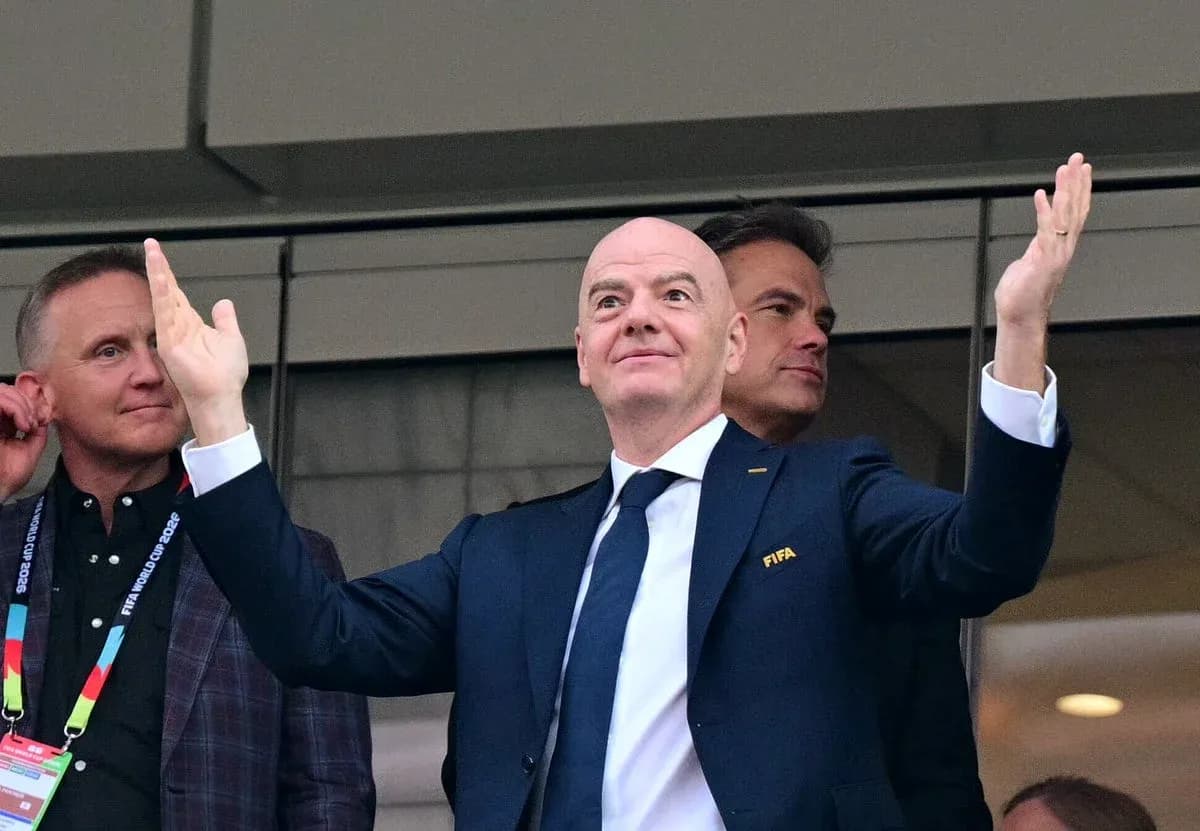
Gianni Infantino has scrapped his most controversial project yet.
Under intense global pressure and the threat of an unprecedented World Cup boycott, the FIFA president has formally withdrawn the FIFA Forward Enterprise (FFE) proposal — a plan to bring private investment into the World Cup in exchange for a slice of its future revenues.
The statement arrived late on Friday, stripped of flourish and titled simply: “Statement attributable to the FIFA President.” The timing, and the tone, told their own story.
A plan that detonated world football
Infantino’s idea was bold, and for many inside the game, deeply alarming.
FFE was designed to inject fresh capital into every FIFA member association by opening up a percentage of World Cup commercial rights to outside investors. Reports linked Jason Kushner — brother of Jared Kushner, son‑in‑law of former US president Donald Trump — as the figure fronting the investment group circling football’s most valuable asset.
On paper, the money would flow to the 211 member associations, with particular emphasis on nations most in need of development funds. In practice, the reaction was explosive.
Infantino insisted from the start that the project would move forward only with majority backing from member associations and after consultation with the FIFA Council, confederations and other stakeholders. Those consultations did happen. The unity he sought did not.
Revolt from within
The backlash did not come solely from the outside world. It seeped into FIFA’s own corridors.
Carlos Cordeiro, the former US Soccer president brought in as an advisor, stepped down over the plan. Kevin Lamour, FIFA’s chief operating officer, went public with his frustration, saying he felt “deceived” by his boss. When a COO chooses that word, the rift is not minor.
The political cost kept rising. What began as concern over governance and transparency quickly hardened into open resistance.
Then came the hammer blow.
UEFA draws a red line
UEFA made its position brutally clear: all of its member nations would boycott all FIFA competitions — including the men’s and women’s World Cups — if the project went ahead.
That was not an idle threat. Europe holds enormous competitive, commercial and political weight in the global game. A World Cup without UEFA nations would be unthinkable, and the message from Nyon landed with full force in Zurich.
UEFA did not stand alone for long. CONCACAF and the Asian Football Confederation (AFC) backed the stance, turning what had been a storm into a full‑scale global front against the FFE proposal.
At that point, the numbers no longer mattered. Even if Infantino could count a majority on paper, the World Cup’s credibility — and FIFA’s authority — sat on a cliff edge.
The pressure finally told.
Infantino backs down
In his statement, Infantino framed the climbdown as a decision taken in service of unity rather than a defeat.
“The FIFA Forward Enterprise project was intended to provide a basis for further strengthening our FIFA Member Associations and our sport worldwide, especially in those countries where support is most needed,” he said, stressing again that the project was always “subject to a consultation process” with member associations, the FIFA Council, confederations and wider stakeholders.
Then came the admission that the damage was done.
“Having listened carefully to all the views, it has become clear that the project has created divisions of a nature that, regardless of the level of support, are no longer in the interest of the objective set out in the first place.
“Our purpose has always been — and will always be — to unite and improve.
“As a result, this proposal will not proceed.”
With that, the most contentious reform of his presidency was formally taken off the table.
What comes next for FIFA?
Infantino closed by attempting to reset the conversation, promising to reopen dialogue without the spectre of private equity hovering over the World Cup.
“Moving forward, my intent is to bring all interested parties back together in the coming days and weeks in the spirit of shared interest in our game, and with the objective to continue growing football everywhere, particularly in those countries that mostly need our support.”
The words speak of reconciliation. The recent weeks tell of a governing body dragged to a turning point by its own stakeholders.
The FFE plan is dead. The questions it raised about who really controls football’s greatest tournament, and how far the sport is willing to go in pursuit of new money, are very much alive.