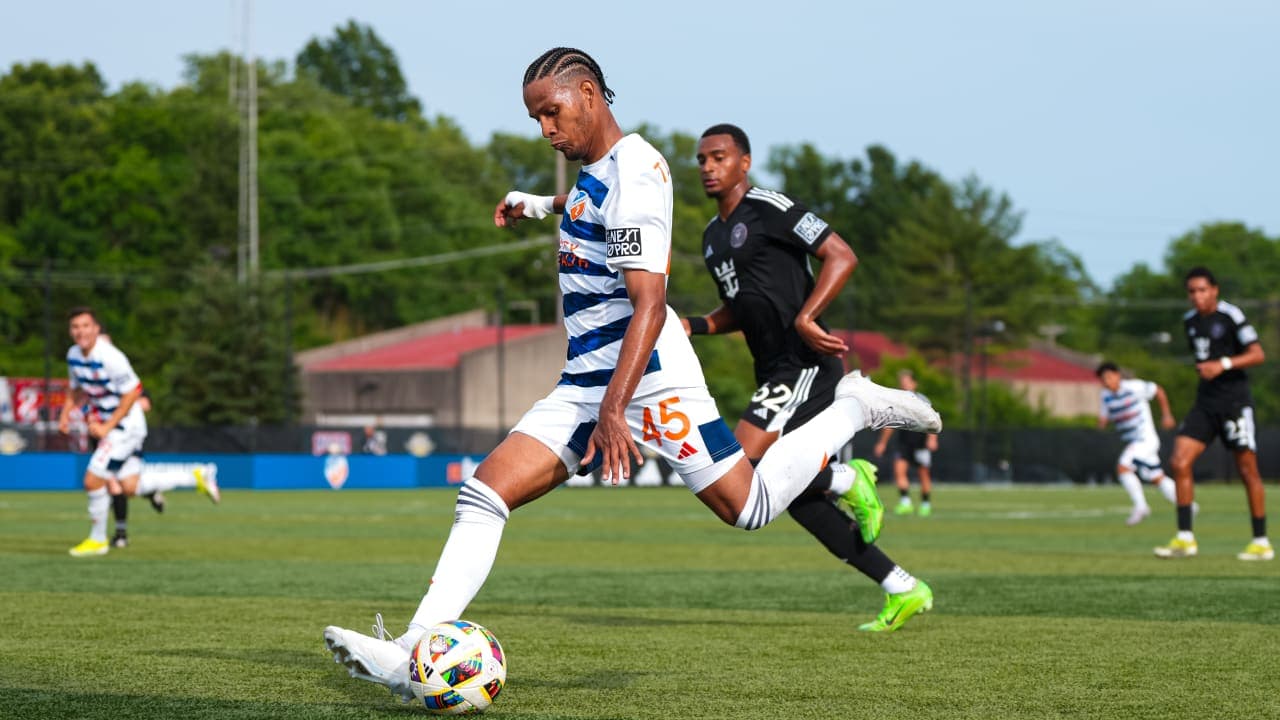
Huntsville City Dominates FC Cincinnati II 4–0 in MLS Next Pro
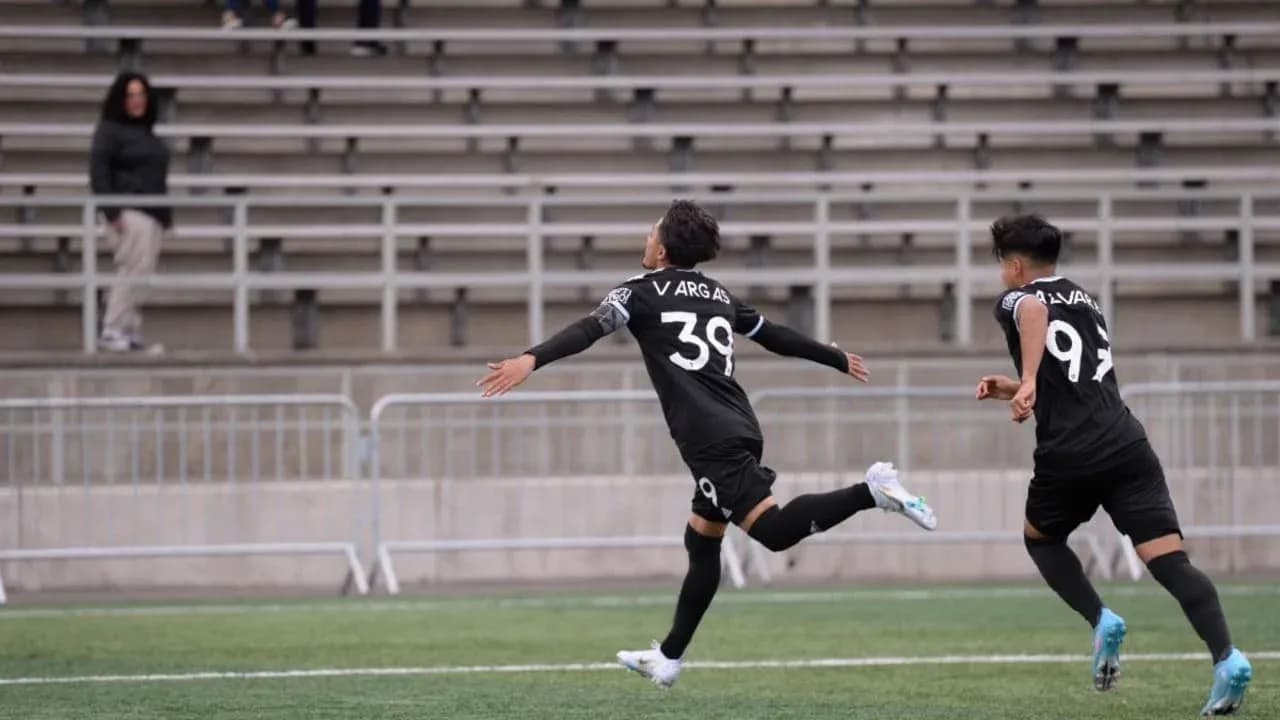
Under the lights at Joe W. Davis Stadium, Huntsville City turned a promising start to the MLS Next Pro season into a statement, dismantling FC Cincinnati II 4–0 and underlining why they sit near the top of the table. This was not just three points in a Group Stage fixture; it was a ruthless confirmation of contrasting identities that had been building across the opening nine games.
Heading into this game, Huntsville were already shaping up as one of the league’s most assertive sides. Overall this campaign they had scored 22 goals in 9 matches, an average of 2.4 goals per game in total. At home, that attacking edge has been even sharper: 10 home goals in 4 fixtures, a 2.5 average that now includes this latest four-goal haul. The defensive platform at Joe W. Davis has been just as impressive, with only 3 goals conceded at home in total, an average of 0.8. The 4–0 win over Cincinnati II simply extended a pattern: Huntsville are turning their home ground into a venue where opponents rarely breathe, let alone score.
FC Cincinnati II arrived with a split personality. On their travels they had lost all 5 away matches in total, scoring just 2 and conceding 12, an away goals-for average of 0.4 against an away goals-against average of 2.4. At home they can be expansive and dangerous; away, they have been fragile and often overwhelmed. Sitting on 9 points with a total goal difference of -5 (11 scored, 16 conceded), their sixth-place standing was built almost entirely on home form. This trip to Huntsville always looked like a stress test of their ability to survive in hostile territory. They failed it emphatically.
Chris O’Neal’s selection for Huntsville spoke of continuity and control rather than experimentation. W. Mackay anchored the side, with M. Molina, A. Talabi, T. Williams and L. Christiano forming a spine that could both defend space and step into midfield. In front of them, the creative cluster of M. Veliz, N. Pariano, M. Yoshizawa and X. Aguilar gave the hosts multiple angles of attack, while N. Sullivan and M. Ekk offered the mobility and final-third presence to stretch Cincinnati’s back line.
Without explicit formations listed, the structure had to be read in the relationships: Veliz and Pariano drifting between lines, Yoshizawa knitting play, Aguilar attacking from wide zones, and Sullivan’s movement constantly asking questions of Cincinnati’s centre-backs. The 1–0 half-time score flattered the visitors. Huntsville’s tempo, pressing and variety of build-up suggested the second half could become a rout if Cincinnati II’s resistance cracked. It did.
On the other side, Cincinnati II’s lineup hinted at a side still searching for a stable defensive identity away from home. B. Dowd in goal was shielded by a back line that included W. Kuisel, S. Lachekar, G. DeHart and D. Hurtado, with C. Sphire and L. Orejarena asked to provide balance in midfield. Further forward, G. Marioni, A. Chavez, J. Mize and S. Chirila were tasked with offering counter-attacking threat. But the same structural weaknesses that had produced 12 away goals conceded before this fixture resurfaced: gaps between lines, slow defensive transitions, and difficulty defending sustained pressure.
The tactical voids in this contest were less about missing personnel and more about systemic fragility. With no official list of absentees, both squads were broadly at full strength, yet Cincinnati II looked under-manned in key zones. Huntsville’s season-long card profile shows a team that plays on the edge but with discipline: their yellow cards are spread, with notable spikes at 46–60 minutes (25.00%) and 76–90 minutes (25.00%), and crucially no red cards at any stage. That late-game edge matters. They maintain aggression as legs tire, and this match’s second-half avalanche fit that pattern.
Cincinnati II, by contrast, have flirted with chaos. Their yellow cards are heavily concentrated early and just after the interval, with 23.81% of bookings in both the 0–15 and 46–60-minute ranges. More telling is their disciplinary cliff at the end: 100.00% of their red cards this season have arrived in the 76–90-minute window. In tight games, that tendency to unravel late can be fatal; against a side as relentless as Huntsville, it becomes an invitation to be overrun.
The key matchups were defined more by collective patterns than individual duels, given the lack of detailed player stat lines. Huntsville’s “Hunter” was their collective attack: 2.4 goals per game in total, with their biggest home win before this fixture already a 4–0 scoreline. Cincinnati II’s “Shield” on the road was paper-thin, with that 2.4 away goals-against average in total and a worst away defeat of 4–0 even before Huntsville repeated the dose. The result was almost pre-written in the numbers: a high-powered home attack meeting an away defence that has consistently leaked chances and goals.
In the “Engine Room,” Huntsville’s midfield trio, led by figures like Veliz and Pariano, controlled both tempo and territory. Cincinnati II’s central unit, with Sphire and Orejarena, were forced deeper and deeper, unable to launch the kind of transitions that might have relieved pressure on their back line. As the game opened up after the break, Huntsville’s bench options — players like A. Delic, J. Gaines, L. Eke and J. Van Deventer — offered fresh legs and maintained intensity, while Cincinnati II’s substitutes were largely fire-fighters entering a blaze already out of control.
Statistically, the prognosis for this kind of match-up is clear. Huntsville’s overall goal difference before factoring in this game already leaned positive (22 scored, 17 conceded in total), built on a potent attack and a fortress mentality at home. Cincinnati II’s -5 total goal difference, combined with their 0 wins and 5 losses away, suggested that any xG model would heavily favour a Huntsville win, with the home side likely to generate significantly higher-quality chances.
Following this result, the scoreline simply aligned reality with expectation. Huntsville City played like a side worthy of a top-two ranking, marrying attacking fluency with defensive control. FC Cincinnati II, meanwhile, left Huntsville with their away frailties brutally exposed once again. For Huntsville, this was a signature performance in a campaign that increasingly looks play-off bound. For Cincinnati II, it was a stark reminder that until their away structure and discipline are fixed, every road trip in MLS Next Pro will feel like an uphill climb.