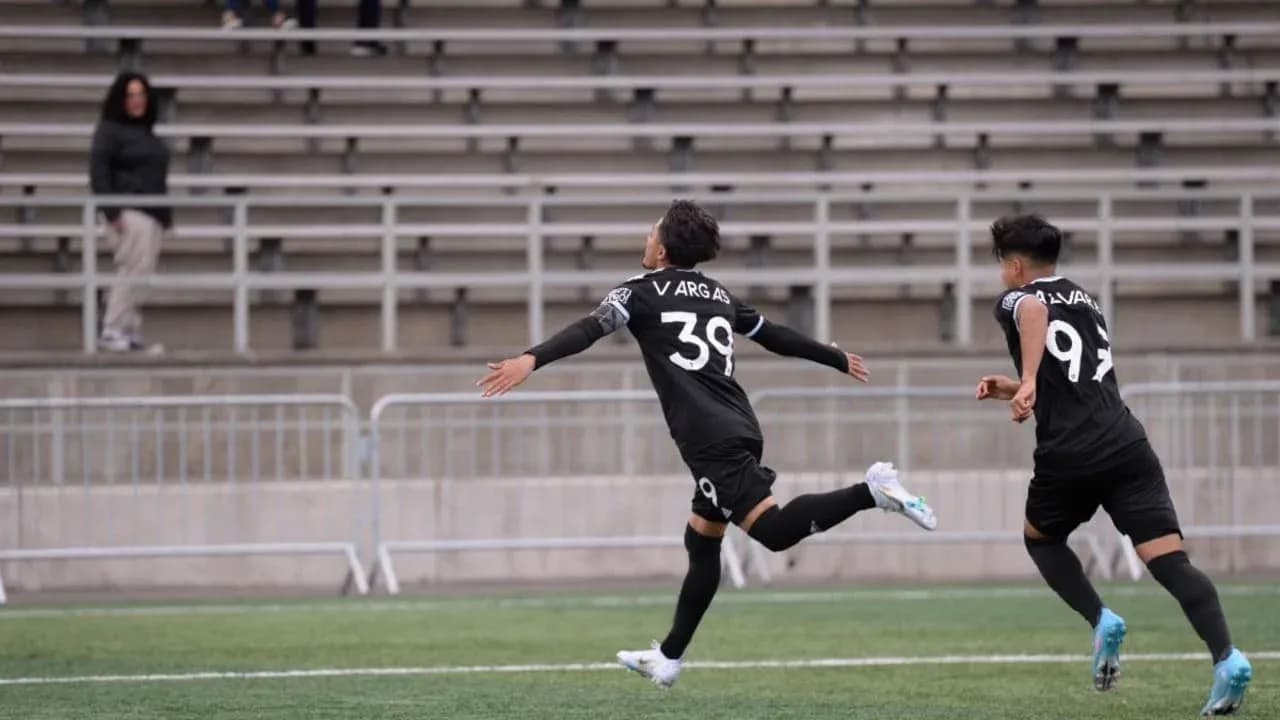
Huntsville City vs Connecticut FC: A Thrilling 120-Minute Showdown
Under the lights at Joe W. Davis Stadium, Huntsville City and Connecticut FC produced a 120‑minute arm wrestle that finished 2-2, before the visitors showed their nerve from the spot, winning the shootout 3-0. In a competition framed here as a “Group Stage” rather than a straight knockout, this still felt like a playoff‑style examination of identity and resilience.
Heading into this game, Huntsville’s seasonal profile was that of a high‑variance, high‑event side. Overall they had played 12 league matches, winning 6 and losing 6 with no draws, scoring 26 and conceding 30 for a goal difference of -4. At home they were explosive but fragile: 6 games, 3 wins and 3 defeats, with 14 goals for and 12 against, averaging 2.3 goals scored and 2.0 conceded per match. Connecticut arrived with a different balance: 11 games, 5 wins and 6 losses, 17 scored and 20 conceded overall (goal difference -3). On their travels they were quietly dangerous: 7 away fixtures, 4 wins and 3 defeats, with 14 goals for and 13 against, averaging 2.0 scored and 1.9 conceded away.
I. The Big Picture: styles colliding
Huntsville’s form line of “WLLWLWWWWLLL” paints a picture of streaks and emotional swings. Their biggest home win, 4-0, and heaviest home loss, 2-6, underline just how open their games can become. Connecticut’s “WLWLLLLWLWW” tells a different story: a side that has flirted with collapse (a four‑game losing streak) but steadied to take recent wins, particularly away, where a 1-3 victory stands as their best result on the road.
Within the Eastern Conference context, Huntsville’s 19 points and goal difference of -3 placed them 9th in that broader table, while Connecticut’s 13 points and -5 goal difference left them 13th. Yet those raw rankings hide an important nuance: Connecticut’s identity is much stronger away than at home, where they had scored just 3 goals in 4 games, compared with 14 on their travels.
II. Tactical Voids and Discipline: where the cracks appear
There were no explicit absentees listed for either side, so the “voids” here are structural rather than personnel‑based.
For Huntsville, the defensive profile is clear: they concede overall at 2.5 goals per match, with that figure rising to 3.0 on their travels but still a significant 2.0 at home. This is not a low‑block, attritional team; it is a group that accepts risk to create attacking volume. Their clean sheet count – 3 in total (2 at home, 1 away) – confirms that they rarely shut games down completely.
Discipline is another key part of their story. Huntsville’s yellow cards skew heavily towards chaos time: 33.33% of their bookings arrive between 76-90', with another 13.33% in the 91-105' window. That late‑game surge of indiscipline suggests a side that can lose emotional control under pressure or when chasing a result. Their red card pattern is even more telling: 50.00% of reds in the 31-45' range and 50.00% in 76-90', meaning every dismissal so far has come either just before half-time or in the final quarter of regulation. Those are momentum‑swing minutes.
Connecticut’s card profile is more evenly spread but still spikes late: 24.24% of their yellows come between 76-90', and they have a single red card on the season, also in that 76-90' band (100.00% of their reds). This sets up a combustible final phase whenever these two sides share a pitch: both teams tend to collect cards and emotional flashpoints in the closing stages.
III. Key Matchups: Hunter vs Shield, Engine Room battles
Without individual scoring and assist data, the “Hunter vs Shield” lens shifts to team units rather than star names.
The most obvious confrontation is Huntsville’s home attack versus Connecticut’s away defence. Huntsville average 2.3 goals scored at home, and Connecticut concede 1.9 on their travels. That intersection suggests Huntsville can reliably generate chances and xG in front of their own crowd, even against a relatively competent away back line.
Flip the field, and the picture is just as intriguing: Connecticut score 2.0 goals per game away, while Huntsville concede 2.0 at home. On their travels, Connecticut have found their best attacking self, and this match bore that out with two goals in regulation against a Huntsville side that often leaves space between the lines.
In personnel terms, Huntsville’s starting spine of W. Mackay, A. Talabi, L. Christiano and M. Molina forms the defensive base that must somehow live with a Connecticut front line featuring Caua Paixao and B. Tanyi, supported by the likes of D. D’Ippolito and A. Monis. The story of this match – 2 goals conceded over 120 minutes and then three unanswered penalties in the shootout – suggests that while Huntsville can trade blows in open play, their “shield” still cracks in the most high‑pressure, high‑precision moments.
In the “Engine Room” zone, Huntsville leaned on midfielders such as M. Veliz, N. Pariano and M. Ekk to control rhythm and transition. Against them, Connecticut deployed A. Mora-Arias and D. Lacy as part of a central block that needed to manage Huntsville’s vertical surges and late‑game emotional spikes. Across 120 minutes, the visitors did enough to drag the contest to penalties, where their technical composure finally told.
IV. Statistical Prognosis and xG‑style verdict
Heading into this game, the raw numbers hinted at a high‑event encounter with both teams likely to score. Huntsville’s home average of 2.3 goals for and 2.0 against, combined with Connecticut’s 2.0 for and 1.9 against away, pointed towards something like a 2-2 xG‑style baseline rather than a cagey 1-0. The actual 2-2 scoreline across 120 minutes fits that expectation almost perfectly.
Defensively, Connecticut’s overall concession rate of 1.8 goals per match (1.9 away) is marginally more solid than Huntsville’s 2.5 overall (2.0 at home). That small edge in defensive structure, combined with Huntsville’s known volatility and late‑game card surge, always made the visitors slightly better equipped for a long, attritional contest that could spill into extra time and penalties.
Following this result, the statistical and narrative threads converge. Huntsville remain a thrilling, unstable proposition: capable of scoring in bunches, but forever living on the edge of their own defensive and disciplinary limits. Connecticut, meanwhile, reinforce their identity as an away‑day spoiler – not watertight, but resilient enough to survive the storm, drag games into the margins, and then win them from 12 yards.