Guardiola Rejects Italy Job Offer Amid FIGC's Desperate Pursuit
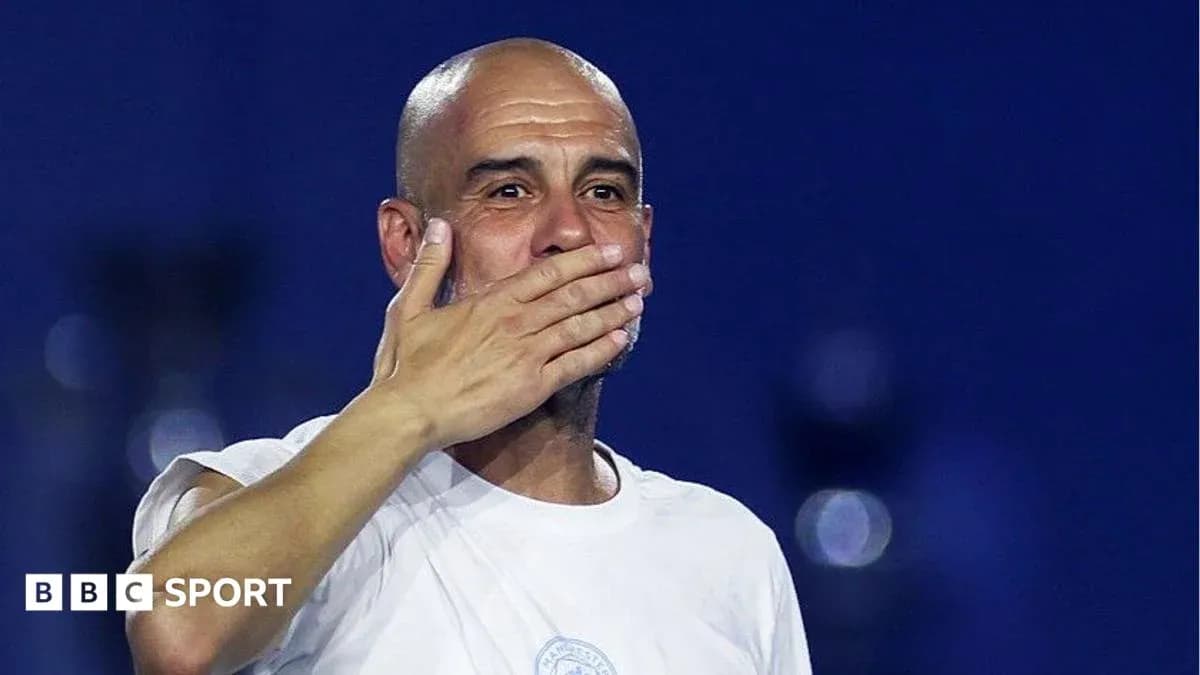
Pep Guardiola has said no. Not to another superclub or a blank-cheque project, but to the chance to lead Italy out of its World Cup wilderness.
The Italian Football Federation (FIGC) made its move after Guardiola walked away from Manchester City this summer, closing a 10-year chapter in England. FIGC president Giovanni Malagò revealed earlier in the week that talks had taken place and that “exceptions” could be made for Guardiola’s salary. In other words: whatever it took.
They did not stop at money. The federation effectively offered him the keys to the national side, with the freedom to shape the role in his own image. For a country that has missed three consecutive World Cups, it was a bold, almost desperate pitch to one of the defining coaches of his generation.
Guardiola listened. Then he declined.
The 53-year-old has informed FIGC that he intends to stick to his plan: step away from the dugout, rest, spend time with his family, travel, and recharge after a decade of relentless competition in Manchester. No half-measures, no quick return via Coverciano. A clean break.
Before turning to Guardiola, Italy had looked closer to home. On Thursday, FIGC technical director Paolo Maldini confirmed that the first call went to Carlo Ancelotti, a former Azzurri midfielder now in charge of Brazil. Ancelotti has decided to remain with the Seleção, closing that door just as firmly.
Two of the most decorated coaches in modern football. Two refusals.
That leaves Italy looking in a different direction, and perhaps to a different generation. Andrea Pirlo, the elegant former Azzurri playmaker and current head coach of Dubai-based United FC, has emerged as the frontrunner to take the job.
If appointed, Pirlo would inherit a demanding immediate brief. Italy face a Nations League group in the autumn that includes France, Belgium and Turkey, a run of fixtures that offers no hiding place for a side still trying to rediscover its identity on the international stage. Beyond that looms the larger task: guiding the four-time world champions to Euro 2028 and restoring a sense of inevitability to their presence at major tournaments.
The FIGC reached for a superstar coach and came up empty-handed. The next move will define whether this is merely another missed opportunity, or the start of a very different kind of rebuild.