Gianni Infantino's Transformation: From FIFA Reformer to Power Player
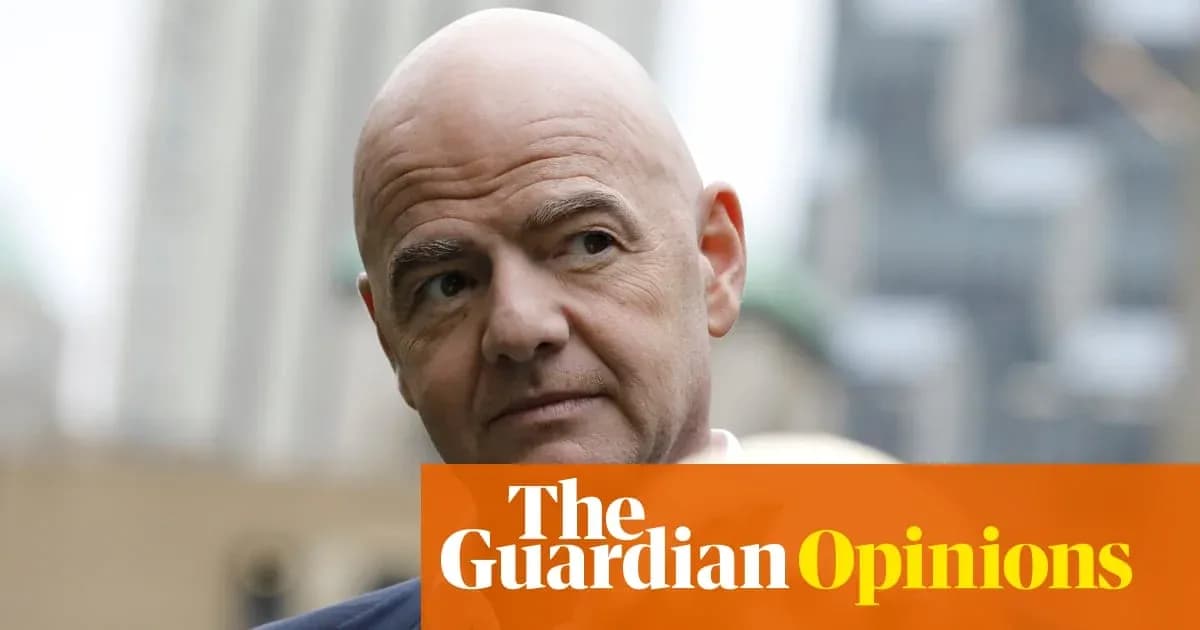
Gianni Infantino arrived as the great clean‑up act. In 2016, when he edged into the Fifa presidency, the mood was one of exhausted relief after the Blatter years. Here, at last, was the diligent Swiss bureaucrat promising to restore “the image of Fifa”, to open the curtains, let the light in and show the world that football’s governing body could be something other than a punchline.
He spoke of accountability. He spoke of transparency. He also spoke, very clearly, of money.
Member associations were told to expect a “very significant increase” in funding. Applause, he suggested, would follow from the entire world. Even then, there were whispers about private jets and a taste for the high life, but they felt like footnotes to a larger story of reform.
That story did not last long.
From technocrat to would‑be head of state
The image of Infantino as a grey, procedural administrator has long since evaporated. Senior figures in the game now reach for a very different description: a man who “thinks he’s running a nation state”. It is not hard to see why.
This week’s move – Fifa announcing, without consultation, a plan to sell a slice of the World Cup’s commercial rights to outside investors – fits a pattern that has defined his presidency. Expansion. Monetisation. Consolidation of power.
From the moment he took office, Infantino nailed his colours to the mast of growth. Bigger tournaments, more competitions, more revenue. The longer he has stayed, the more absolute that vision has become.
In 2016, almost as soon as he had settled into the chair, he floated expanding the World Cup. He pushed an enhanced Club World Cup. Two years later came the notion of a global Nations League, to be housed in a new corporate vehicle funded by external investment. That particular idea collapsed under pressure, but the direction of travel was unmistakable.
By 2017, the World Cup’s expansion to 48 teams for 2026 was confirmed. In 2021, as the European Super League project exploded, it emerged that the 12 rebel clubs had expected tacit Fifa support for their breakaway. They never got it, but the assumption itself spoke volumes about how Infantino’s Fifa was perceived.
At the end of that same year, he went further still: a biennial World Cup, a proposal that detonated outrage across the sport and yet again underlined his instinct to stretch football’s biggest asset to its absolute commercial limit.
A post‑pandemic acceleration
After Covid-19, the pace quickened. Football emerged from the pandemic nursing heavy financial wounds. Fifa stepped in with its Forward Programme money, plugging some of the gaps and reinforcing Infantino’s role as patron‑in‑chief to the global game.
At the same time, the president moved faster.
A 32‑team Club World Cup was launched, with talk of further expansion almost before the ink had dried. The 2034 World Cup was handed to Saudi Arabia in a process that offered no meaningful contest. The 2030 World Cup was stretched across three continents and six host countries, a sprawling, politically convenient mosaic that left traditional notions of a host nation in tatters.
Even the size of the World Cup itself may not be settled. There is already discussion of pushing the number of participating national teams to 64. On the pitch, tweaks such as mandatory hydration breaks emerged, presented as player‑welfare measures but also conveniently creating more broadcast inventory.
At every turn, the same question echoes in boardrooms and back corridors: what is driving this? What, exactly, is eating Gianni Infantino?
Patronage, power – or a future job?
The first explanation is as old as politics itself: patronage. Expand competitions, raise revenue, redistribute the money, and you secure loyalty at the ballot box. Infantino has already rewritten the rules on presidential term limits, smoothing his own path. He has also, by most estimates, effectively trebled Fifa’s revenues since taking charge.
For many leaders, that would be enough. The cheques go out, the votes come in, and the machine keeps rolling. Infantino, though, shows no sign of easing off. His third full term is all but assured and, under the new statutes, should be his last. Still the projects multiply.
That has fed a second theory. The structure proposed for the latest commercial venture – carving off World Cup rights into a new vehicle part‑owned by external investors – has prompted suggestions that Infantino is building his own landing pad for life after the presidency.
Reports in the Times outlined the possibility of Infantino becoming CEO of the new entity once he steps down, with a salary more in line with a corporate titan than the head of an NGO. Fifa has denied any such discussions. Even so, the idea lingers because it fits too neatly with the architecture being erected around the World Cup.
Yet even that feels like only part of the picture. The sheer volume and audacity of the changes, the willingness to push through resistance, the appetite for risk – they point to something more than a retirement plan.
The lure of the top table
The third explanation is less complicated and, increasingly, harder to dismiss: status and power.
Infantino’s backstory is well known in football circles. The Italian kid from a working‑class family in wealthy Switzerland, bullied for his ginger hair, now sits among presidents and princes. The boy who did not belong now presides over the global game’s most powerful institution.
His tastes have evolved with his office. The private jets are no longer whispered about; they are part of the scenery. Early in his presidency, he surrounded himself with former stars, rebranded as Fifa Legends, to endorse his 2016 campaign and add a sheen of glamour. As the years have passed, the cast has changed. The footballers have been joined – and in some cases replaced – by heads of state.
Infantino has been photographed and filmed alongside Vladimir Putin, the emir of Qatar, the crown prince of Saudi Arabia, and, crucially, the former US president Donald Trump. The Fifa president has not just visited them; he has mirrored their posture, their language of strength, their appetite for grand projects and sweeping reforms imposed from above.
With that has come an unmistakable sense of impunity. Inside Fifa, dissenting voices have been marginalised. Outside, confederations and clubs have often found themselves reacting to decisions that appear fully formed, rather than participating in any meaningful debate.
Power, or at least the image of it, has become part of the Infantino brand. But power built on shifting alliances carries a price.
The cost of the company he keeps
Political friendships in sport are rarely sentimental. They are deals, and deals demand returns. The new commercial plan for World Cup rights has already been framed by one senior football figure not as Infantino’s masterstroke, but as something closer to a bill coming due.
“Gianni has got in way over his head with Trump,” they said. “He [Trump] is now extracting his share of the World Cup rewards.”
Fifa rejects the notion that Infantino is carving out a post‑presidential throne or that any external political figure is pulling the strings. Yet the perception that the World Cup – football’s crown jewel – is being parcelled up to satisfy private and political interests is corrosive. It strikes at the heart of the promise Infantino made when he first walked into office: to restore the image of Fifa.
Instead, as the World Cup balloons across continents, as new corporate vehicles spring up around its rights, and as the president’s circle of powerful friends tightens, another image emerges: not of a humble reformer, but of a man who has discovered that running world football can feel a lot like running a state.
The question now is not whether Infantino will keep pushing. It is how much of the game will be left for his successor to govern once this presidency, and all its grand designs, finally runs out of road.