France's Campaign Ends in Chaos Against England
France’s campaign ended in chaos and recrimination in Miami, torn apart by England on the pitch and by their own frustrations off it, as Didier Deschamps’ 14-year reign closed with a wild 6-4 defeat and a dressing room stripped of its usual composure.
A Shambles in the Sun
From the first whistle, France looked like a team that had mentally checked out of the tournament. England did not. They ran through them.
Four times in the first half, the French back line was breached. Four times, the response was late, loose, or non-existent. By the interval, England led 4-0 and the scoreline flattered only one side.
France weren’t just second-best. They were exposed. Positionally ragged, emotionally flat, they played the opening 45 minutes like a side killing time, not contesting a third-place play-off on the international stage.
Deschamps had warned everyone what was coming. On the eve of the game, he admitted the fixture held little appeal for either camp, saying bluntly that England did not want to play it and neither did France. The first half proved him right, but in the worst possible way for his own team.
Flashpoints on the Touchline
The malaise wasn’t only visible in the defending. It seeped into every part of France’s performance and boiled over on the touchline.
During a first-half drinks break, Rayan Cherki became embroiled in a heated exchange with Deschamps. Animated gestures, sharp words, and a sense that the unity which had carried France through so many tournaments under this coach was finally fraying in public.
On the pitch, the body language matched the argument. Heads dropped. Pressing was half-hearted. Runners were not tracked. England sensed weakness and punished it ruthlessly.
Rabiot’s Fury
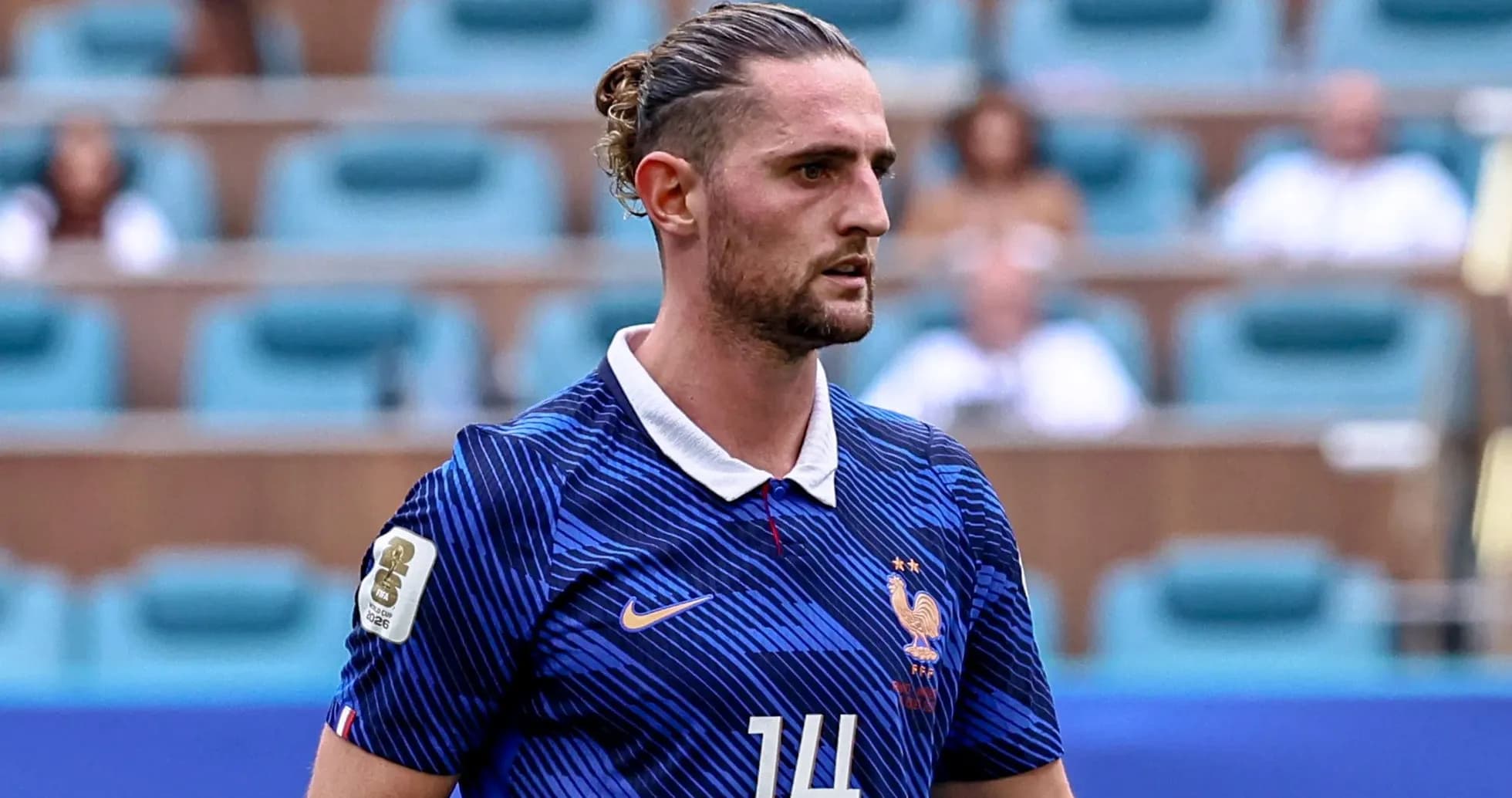
If there was any attempt to keep the grievances in-house, Adrien Rabiot tore that veil away at full-time.
“We started the first half quite shamefully,” the AC Milan midfielder told beIN SPORTS, his disappointment barely disguised. “I saw behaviour from some players that I'd never seen before. It's a bit disappointing because it was the last match to do well in this competition.”
He did not stop there. Rabiot pointed to the hangover from the defeat to Spain but made it clear that the excuses ended there.
“There's a lot of disappointment after the loss against Spain, but there was work to be done until the very end and we can't just be content with sloppy play like that. We talked at halftime; we told ourselves we needed to show some pride, and it was much better in the second half because in the first half, some of the behavior was unacceptable.”
It was a rare, public dressing-down from a senior player, aimed squarely at the attitude within the squad. The message was unmistakable: some in this France camp had stopped competing long before the final whistle.
A Frenzied Fightback, Too Late
To their credit, France did stir after the break. Pride, finally, kicked in.
They found the net four times in the second half, throwing players forward, attacking with an urgency and conviction that had been completely absent earlier. The game turned chaotic, stretched, almost exhibition-like at times, with both sides trading blows.
But the damage had already been done. Chasing a four-goal deficit at this level is a fantasy, not a plan. Every French goal felt like a reminder of what might have been if they had started with the same intensity. Every English response underlined how costly that opening collapse had been.
England, sharper and more cohesive, rode out the storm and kept scoring. The final 6-4 scoreline looked like a futsal match, not the closing act of a major international campaign.
Deschamps’ Era Ends Under a Cloud
So this is how Deschamps’ long spell with France ended: not with a tight, tactical contest or a dignified farewell, but with internal tension and a disjointed performance that laid bare the fractures within the squad.
For more than a decade, he built teams on resilience, structure, and collective discipline. In Miami, those pillars crumbled. The touchline arguments, the first-half surrender, the brutal honesty of Rabiot’s words – all of it cut against the image of control that had defined his tenure.
England, by contrast, left with their mood transformed. They may have fallen short in the semi-finals, but they finished the tournament on a surge of confidence, their belief reaffirmed by the way they dismantled a heavyweight opponent when given the chance.
“This is the best England group for a very long time,” Declan Rice said afterwards. “That's a fact. No one can take that away from us. I think we can be proud as a group. We are just gutted we lost in that semi-final.”
France walked away with questions. England walked away with conviction.
For Deschamps, the final image is stark: a 6-4 defeat, his players arguing on the sidelines, and his most vocal midfielder calling out “unacceptable” behaviour on live television. The results of his reign will be debated for years. The way it ended will not be easily forgotten.