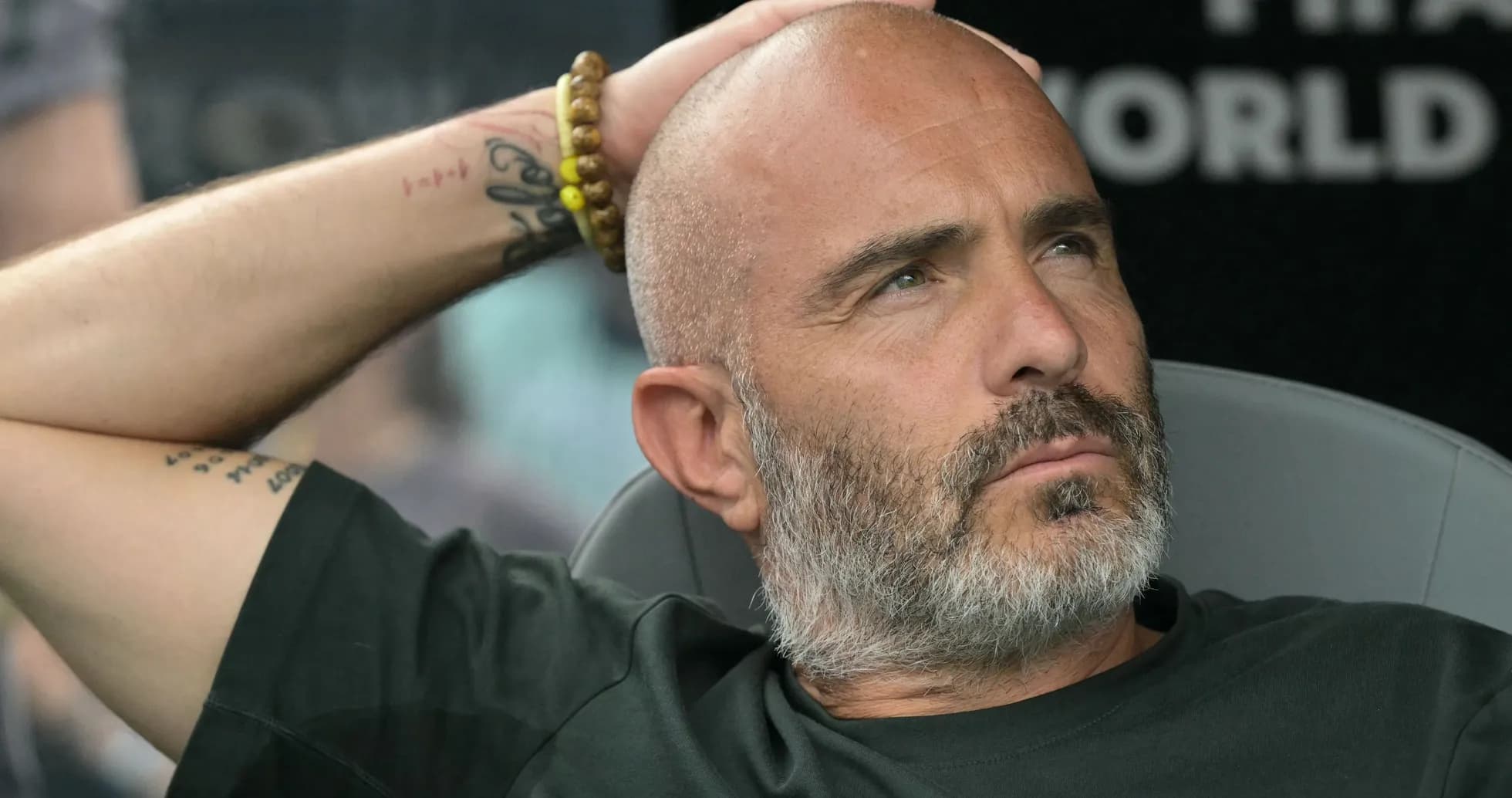
Enzo Maresca Returns to Manchester City as Head Coach
Enzo Maresca walks back into Manchester City not as a wide‑eyed apprentice this time, but as the man asked to follow Pep Guardiola. At his first press conference as head coach, the Italian looked comfortable in a place he openly called “home” – and fully aware of the size of the job he has just accepted.
Before talking tactics or transfers, he paused. Maresca opened with condolences to the family of Kevin Keegan, a gesture that briefly pulled the room away from systems and signings and back to the people who built the game. Only then did he turn to his own story.
“I feel as though I have returned home,” he said, describing the warmth he felt from day one back at City. It is not a throwaway line. This is his third spell at the club, after working with the elite development squad and then serving on Guardiola’s staff in 2022–23. He knows the corridors, the faces, the expectations.
Stability, succession and the shadow of Pep
City’s hierarchy did not pluck Maresca from obscurity. He arrives off the back of a sharp, upward curve: the Championship title with Leicester City in 2023–24, then a UEFA Conference League and a FIFA Club World Cup with Chelsea across 2024 and 2025. Those trophies, and the way his teams played, made him one of the most intriguing coaches on the market.
Yet this is different. This is the job after Pep.
“First of all, it is a great privilege that this club has chosen me,” Maresca said, before delivering the line that will follow him for months. Guardiola, he repeated, is “perhaps the best coach in the world over the past twenty or twenty-five years”. Taking his place is both “a wonderful challenge” and a burden only a few in football history have carried.
He reached for the longest reigns to frame what lies ahead: Sir Alex Ferguson at Manchester United, Arsène Wenger at Arsenal. Managers who defined eras and left shadows that swallowed successors. Maresca knows the script. His answer is simple: do the right things early, for the club and for the fans, and trust the structure around him.
That structure, he stressed, is why he said yes so quickly.
“The institution is the most important factor,” he said. “This club has had only three coaches succeed one another over around 17 years, and that is extremely rare.” From Roberto Mancini to Manuel Pellegrini to Guardiola, City have changed faces but not direction. Maresca believes that continuity, and the boardroom stability behind it, gives him the platform to extend the journey rather than rip it up.
Transfers, timing and a half-built squad
On the summer window, he was blunt: City are not done.
“I think there is always something that can be done,” he said. The targets are clear, the work is ongoing, but the market will dictate what is possible. There are “some things that need to be completed”, and the club is already on them.
For now, Maresca is working with a mixed group at the training ground. The last wave of senior players will not report until three or four days before the Community Shield. Until then, he has a squad heavy with youth prospects.
He does not sound remotely unhappy about that.
He talked about “a large number of young players” bringing “great energy” and admitted some are hitting “very impressive levels”. Pre-season, for him, is not a holding pattern; it is an audition.
Rodri, Chelsea and the noise around the new man
No new City coach escapes transfer speculation, and Maresca walked into it immediately with questions about Rodri’s future. The midfielder has been linked away after a World Cup win and a string of outstanding performances, but the Italian brushed off the rumours as the natural soundtrack around elite players.
“Any coach in the world would want to sign Rodri,” he admitted, before delivering the key detail: surgery on Monday, then rest, then a return to City. There was no hint of a sale, only a medical timetable.
The subject then swung to Chelsea’s statement following his departure from Stamford Bridge. Maresca refused to bite. He described himself as “fortunate” to have worked at both Leicester and Chelsea, proud of the identity and success at each, and then shut the door. “My focus now is entirely on Manchester City, and there is nothing I have to add.”
The message was clear: whatever noise follows him from London stays there.
Grealish, Trafford and the thin line of “for now”
Jack Grealish’s name surfaced, as it always does when a new coach arrives and the window is open. For now, Maresca’s position is straightforward.
“Jack is here, and he is a Manchester City player,” he said. As long as that remains true, it is his “duty” to work with him. He praised Grealish’s “big heart” and “wonderful personality” and left the rest hanging on the familiar phrase: “we will see what happens later.” Commitment to the present, no promises about the future.
James Trafford, the young goalkeeper he previously coached with the under-23s, drew a similar answer. Maresca knows him well, likes him, and counts him as “one of our goalkeepers”. But the window is open. “Anything is possible.” Again, the emphasis sat on the here and now, not on guarantees.
A familiar idea, with new solutions
If City turned to Maresca, it is not to rip up an identity that has delivered an era of dominance. The Italian made that link explicit. He spoke of having “a clear identity” at Leicester and Chelsea and suggested those similarities with Guardiola’s ideas played a part in City’s decision to bring him back.
He wants his team to press hard when they lose the ball. He wants control. He wants to impose a style, not react to one. And he knows that, beneath all the tactical diagrams, the game boils down to one thing: “the most important thing in football, which is winning matches.”
Yet he also sounded like a coach who understands how quickly the game mutates. “Everything changes over time,” he said. Set pieces evolve, man-to-man defending shifts, trends come and go. His job is to keep finding “appropriate solutions” to those changes, not cling to a static blueprint.
Long balls, Donnarumma and Haaland: a new weapon?
One question cut straight to the tactical curiosity that will follow him into the season: will long balls become a deliberate weapon for Manchester City?
With Gianluigi Donnarumma in goal and Erling Haaland up front, the temptation is obvious. Maresca did not dismiss it.
“That could be one of the solutions,” he admitted. Some games will demand short, intricate build-up. Others will ask for direct, vertical passes over the press. Having a goalkeeper with Donnarumma’s range and a striker with Haaland’s power and movement gives City “a great advantage”.
He was careful, though, not to let that become a label. Long balls will not be “the only solution”. His City must find “varied solutions that suit different matches.” The Guardiola heritage remains: flexibility over dogma, structure over chaos, but with a willingness to use every tool available.
Maresca leaves his first day in front of the cameras with the picture drawn in outline: a coach who sees City as home, who respects the giant he follows without flinching from the challenge, and who believes the club’s stability can carry his ideas. The question now is not whether he understands the scale of what he has walked into.
It is how quickly he can turn that understanding into a team that looks, and wins, like Manchester City.