Enzo Maresca's Challenge at Manchester City: Following Guardiola
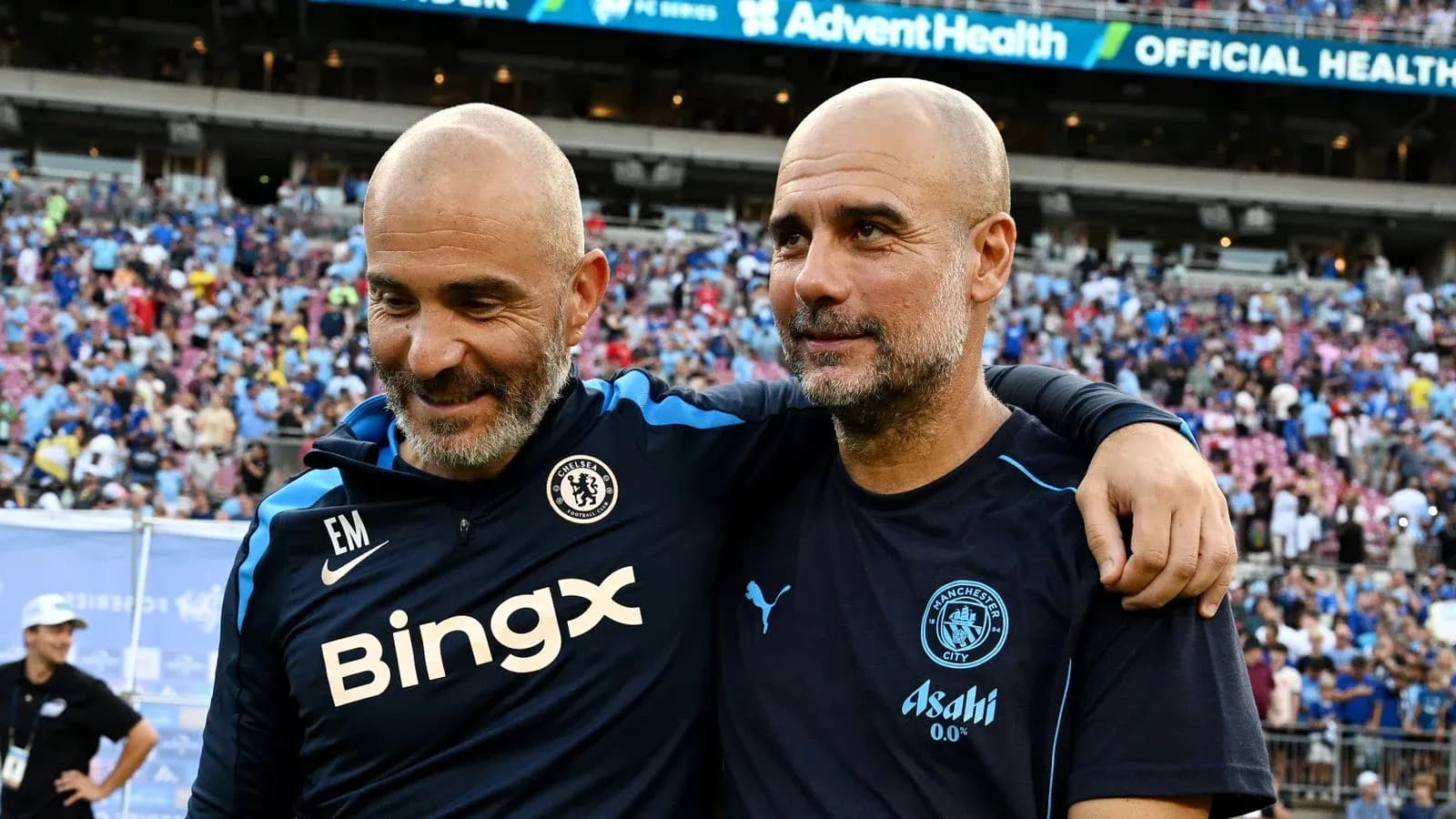
Enzo Maresca steps into the light at Manchester City with a familiar badge on his chest and a very unfamiliar problem on his hands.
How do you follow Pep Guardiola?
This is not just another managerial change in a restless Premier League summer. This is the end of a 10-year project built to attract one man and then shaped entirely in his image. The statue hasn’t gone up outside the Etihad yet, but Guardiola leaves behind a treble, a culture of control and a bar for success that is almost impossible to clear.
Maresca walks straight into that vacuum.
A soft landing – on paper
The fixture list has handed him what every new manager craves: time. Bournemouth, Crystal Palace and Coventry City in his first three league games is about as gentle an introduction as the Premier League allows.
It’s a run that should let City find their rhythm without panic. It also gives the club’s World Cup-weary core some breathing space. No one embodies that more than Rodri, who carried Spain through almost every minute of their triumphant campaign and now sits at the red line of fatigue.
Those opening fixtures are winnable even without him. That gives Maresca licence to phase the midfielder back rather than throw him in and hope his legs hold. A luxury, yes. But also a trap.
Because a kind start brings its own pressure. Drop points early in games City are expected to win, and the questions will come quickly, especially with Manchester United and Liverpool looming in two of the next three league matches in September. Those aren’t just fixtures; they’re early verdicts on whether City under Maresca still look like City under Guardiola.
The Italian knows the scale of the opportunity. He called it a “dream situation” when he walked back through the door, inheriting a squad Guardiola built to dominate. He knows the squad, the training ground, the corridors. He has already lived two previous lives here, first as an academy coach in 2020-21 and then as Guardiola’s assistant during the Premier League–Champions League–FA Cup treble season of 2022-23.
He understands what winning looks like at this club. Now he has to prove he can be the one who delivers it.
Same principles, sharper edges
Maresca has been tagged as a Guardiola disciple, and there is truth in that. Both managers see the game through the lens of the ball: keep it, control it, press aggressively when you lose it. City’s identity will not be ripped up and thrown away.
The differences live in the detail.
Under Guardiola, City’s structure often felt like an abstract painting. Defenders stepped into midfield, midfielders drifted into full-back zones, wingers tucked inside to overload the centre. Rodri sat at the heart of it all, the pivot around which everyone else rotated. Positions were starting points, not constraints.
Maresca leans towards something more defined. His preferred 4-2-3-1 is a framework with clearer lines and more traditional roles. Wingers stay high and wide, stretching the pitch horizontally. The No 10 becomes a fixed reference point between the lines, the main link between midfield and attack rather than just another piece in a swirling positional puzzle.
At Chelsea, that role belonged to Cole Palmer. At City, Maresca can turn to Phil Foden or Rayan Cherki if he wants to replicate that setup. Both have the technical quality and vision to operate in tight spaces and dictate the tempo higher up the pitch.
The shift won’t be radical enough to shock the dressing room, but it will ask players to unlearn some habits. City’s wide players have been drilled to drift inside and combine centrally. Now they may be told to hold the touchline and stretch the game, leaving the No 10 and double pivot to knit things together.
How quickly that adjustment lands will define the early months. Guardiola’s City often felt like a living organism, changing shape phase by phase. Maresca’s City may look more like a machine – still elegant, still dominant, but with clearer cogs and gears.
A younger core, a new hierarchy
If Guardiola built the structure, sporting director Hugo Viana has been reshaping the personnel. Across the last two or three windows, City have deliberately driven down the squad’s average age, from 29 to just over 25. The future looks fresher. The dressing room sounds different.
The cost has been experience. Kevin De Bruyne has gone. Bernardo Silva and John Stones have followed this summer. That is a huge chunk of leadership, tactical intelligence and dressing-room authority walking out of the building.
The spine remains formidable. Rodri and Ruben Dias are now the obvious pillars, while last season saw Erling Haaland grow into more of a leadership role, not just a goalscoring phenomenon. Marc Guehi and Josko Gvardiol bring calm, seasoned presence at the back. Mateo Kovacic adds nous in midfield.
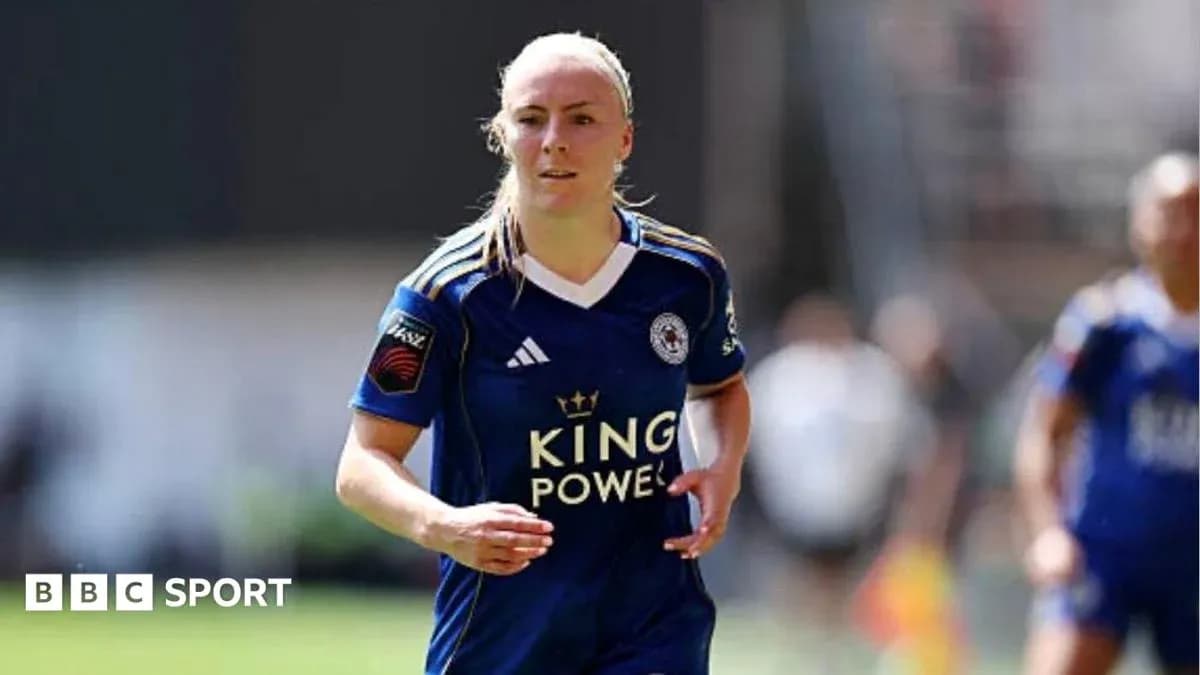
Recruitment has been aggressive but targeted. Elliot Anderson has arrived from Nottingham Forest for a huge fee, a bet on robustness and long-term control in the middle of the pitch. Jeremy Monga has been taken from Leicester as another piece of the future, a young talent to be shaped within this environment.
The shopping list isn’t complete. City want a right-back and another winger, and they are keeping a close eye on Lille teenager Ayyoub Bouaddi, one of Morocco’s standouts at the World Cup. Arsenal are watching him too, which only sharpens City’s interest.
Outgoings will shape the final picture. If bids hit the club’s valuation, the likes of Savinho, Omar Marmoush, Nico Gonzalez, Jack Grealish, Tijjani Reijnders and Rico Lewis could all be in play. With the World Cup now over, the market is about to accelerate. Maresca’s squad might look very different by the time those early fixtures are done.
The job after the job
This is the first time since the Abu Dhabi takeover that City step into a season without a clearly defined long-term destination. For a decade, every brick laid, every decision made, pointed towards Guardiola – then through him.
That chapter is closed. The question now is what City want to be in the next era.
The culture, though, has not changed. This is a club hard-wired for trophies. Anything less than competing seriously for the Premier League and the Champions League will not be tolerated for long. The Etihad crowd expects to be entertained, but it demands to win. Maresca’s Chelsea never quite found that balance. At City, failure to do so will be judged far more harshly.
He does at least step into a league in flux. He is not the only new man in a big chair. Andoni Iraola at Liverpool, Xabi Alonso at Chelsea and, to a lesser extent, Michael Carrick at Manchester United all carry their own unknowns. The natural order at the top of the Premier League is wobbling, trying to find its shape again.
Inside City, that is seen as opportunity. A landscape without a dominant, settled rival is fertile ground for a coach with a clear idea and the courage to impose it. This season will not wait for anyone. It will reward those who swim, not those who tread water.
The storm beyond the touchline
Hovering over all of this is the cloud no manager can disperse with tactics alone: the 115 Premier League charges against Manchester City.
They form the backdrop to everything. They frame every conversation about the club’s success and every debate about its future. Maresca cannot control the process, the evidence or the verdict, but he will have to live with the consequences and the noise.
Guardiola handled that arena with a mix of defiance and control. Years in the spotlight at Barcelona, Bayern Munich and City had hardened him to the glare. He knew the press pack, knew when to engage and when to shut a line of questioning down.
Maresca’s experience of that kind of scrutiny is lighter. At Chelsea, the pressure he faced was almost entirely football-related: results, selections, style. The legal and political theatre around City is something else entirely.
How he navigates those questions in his first 12 months will matter. It will shape how the wider game views him and how protected his players feel when the spotlight turns harsh. If a verdict arrives within that timeframe, the temperature will rise sharply. He will have to hold his nerve while trying to keep his team playing with freedom.
That is the reality of the job he has taken.
Enzo Maresca returns to Manchester City as the man who helped build the treble machine and now has to prove he can drive it. The fixtures give him room. The squad gives him quality. The culture gives him no escape.
In a league full of new faces in old dugouts, we are about to discover whether the apprentice can shape a dynasty of his own, or whether Guardiola’s shadow still stretches too far across the Etihad turf.