Enzo Maresca's Leadership Shift at Manchester City
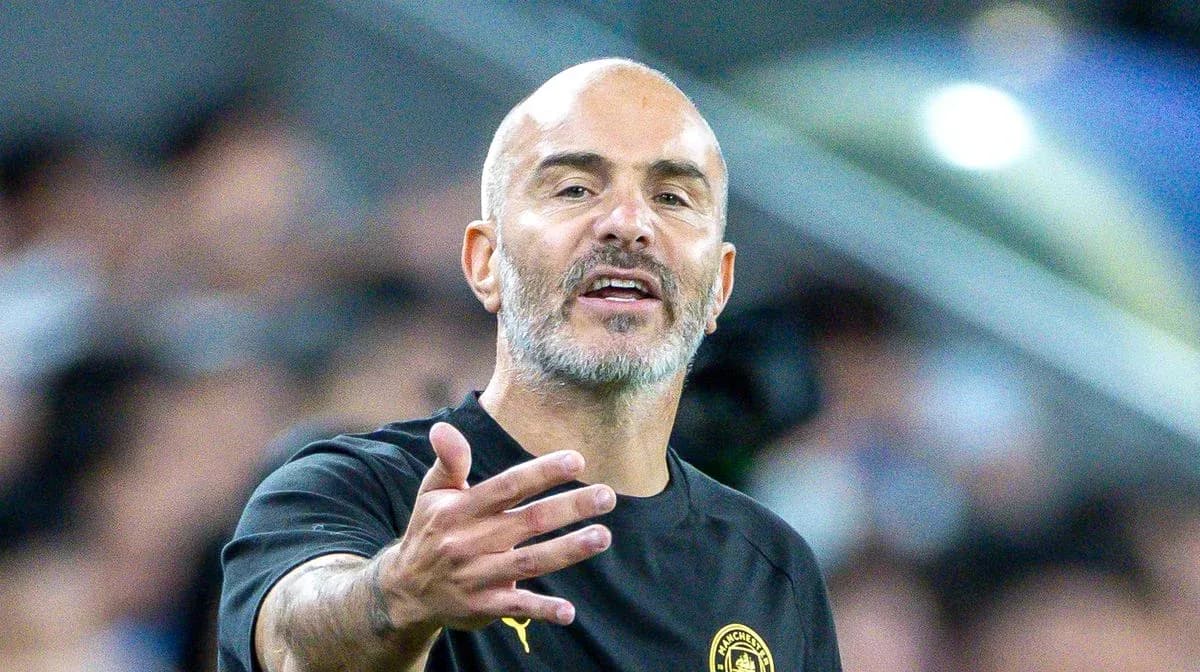
Enzo Maresca has not taken long to put his stamp on Manchester City. Tactics can wait, systems can evolve, but one thing is already clear: he alone will decide who leads his dressing room.
There will be no players’ vote for the captaincy this season. No ballot slips, no quiet lobbying, no popularity contest. Maresca wants a defined hierarchy, chosen from the manager’s office, not the dressing room.
At the heart of it all stands Ruben Dias.
With Bernardo Silva gone to Real Madrid, the path is clear for the Portugal defender to become the club’s next captain. Dias was a serious candidate last summer before Pep Guardiola halted the traditional squad vote, and his status inside the camp has only grown since.
He has turned down interest from elsewhere in recent months, choosing to stay at City as the club reshapes itself under a new boss. That decision, and his relentless standards, make him the obvious figurehead for Maresca’s first season.
But this is not just about one armband. It is about a leadership group that needs rebuilding.
Last season, only Erling Haaland and Rodri joined Dias in that inner circle. With Barcelona pushing hard to take Rodri to Spain, Maresca faces the prospect of losing another pillar of authority from the core of his squad. The vacancies are real, and they are significant.
Some players are already jostling with their performances and personalities rather than their words. Josko Gvardiol is one who would gladly step into a more prominent role if asked. The defender carries himself like a leader and has the confidence to match, and Maresca knows he has that option.
Yet the Italian has another clear priority: he wants at least one of his captains to be English.
That desire gives a different weight to Phil Foden’s words this week. The playmaker has spoken openly about his responsibility to step up, conscious that he is now the longest-serving member of the first-team squad.
At 26, Foden should be entering his prime, but the last two years have not followed the script many expected after he was named the best player in the Premier League. Injuries, inconsistency, and the sheer churn of City’s success have taken their toll.
Now he sees a fresh start under Maresca as a chance to reset his trajectory and embrace a more vocal, visible role. If the manager wants an English standard-bearer, there are few candidates with a stronger bond to the club than the boy from Stockport.
Maresca’s options do not end there.
Marc Guehi, who captained Crystal Palace before joining City in the winter window, slipped into the side with minimal fuss and maximum composure. His leadership credentials are already proven in the Premier League, even if his integration at City is still in its early stages.
He remains on holiday after the World Cup, but once he returns, his presence gives Maresca another ready-made organiser and communicator in the back line.
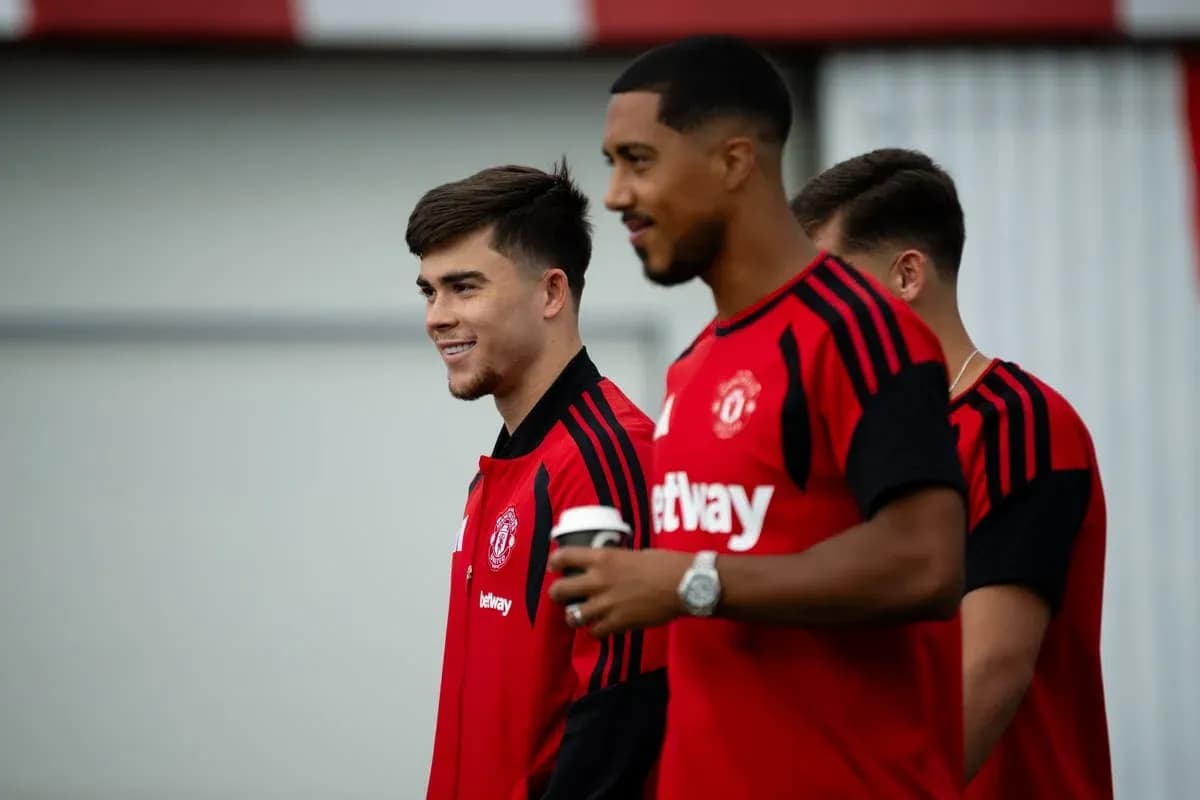
Behind them, the next wave is edging closer. Nico O’Reilly and Elliot Anderson are due back next week, young players who may not yet be ready to wear the armband but will be watching closely as Maresca redraws the map of authority inside the squad.
This is how a new era is built at a club that has grown used to continuity. Not just with signings and systems, but with a clear decision on who speaks, who leads, and who carries the weight when the season turns hostile.
Maresca has made his first big call. The question now is which of his players will be bold enough to grow into it.