England Prepare for Mexico Showdown at Azteca
The World Cup last‑16 tie England wanted has arrived. The build-up they expected has not.
On the eve of their meeting with co-hosts Mexico at the Estadio Azteca, England’s preparations have been thrown into confusion by a dramatic U‑turn from Fifa over the kick-off time, leaving both federations furious and fans scrambling.
For most of Thursday, the country was adjusting to the idea of a brutal 1am BST start on Monday morning. Licensing laws were being bent, sleep schedules torn up. Then came word that, because of storm threats and the risk of flooding in Mexico City, the game was likely to be dragged forward six hours to a far more palatable 7pm BST on Sunday.
Now that plan has been shelved. Fifa have rowed back, the fixture is again expected to remain at its original 6pm local time slot – 1am in the UK – and the sense of irritation around both camps has hardened. England must now tune out the noise and focus on altitude, hostility and a Mexico side that has yet to drop a point.
Tuchel survives – thanks to Kane
England arrive here because Harry Kane dragged them. Again.
Two goals from the captain in Atlanta turned a fraught, flawed 2-1 win over DR Congo into a lifeline for Thomas Tuchel and a ticket to the Azteca. England had fallen behind early, looked vulnerable, and for long spells played with the same defensive uncertainty that has stalked them through the group stage.
Kane, as so often, was the difference. A ruthless equaliser, a thunderous late winner, and a manager’s job perhaps nudged back from the brink.
Alan Shearer, watching on for the BBC, admired the finish but sounded the alarm. “It wasn't a good performance and I've got the same concerns as I had in the previous two or three games about us defensively,” the former England captain warned. He called Kane’s decisive strike “some strike”, praising the swivel, the balance, the sheer violence of the shot into the roof of the net.
The message underneath was stark. Knockout football punishes teams who lean too heavily on one man. Opponents become smarter, margins thinner, and even the most reliable match-winner can be smothered.
Kane, for his part, is embracing the stage rather than fearing it.
“I want to enjoy this one, because I know there’s another extremely tough game coming in four days,” he said after beating DR Congo. “Mexico, in Mexico, is as big as it gets maybe in the World Cup. The atmosphere is going to be incredible. It’s going to be tough for many different reasons but ultimately, if you want to be world champions, you have to go through tough games, good teams, Mexico at home.”
He wants his team to relish the ordeal, not dread it.
Rice relief for England
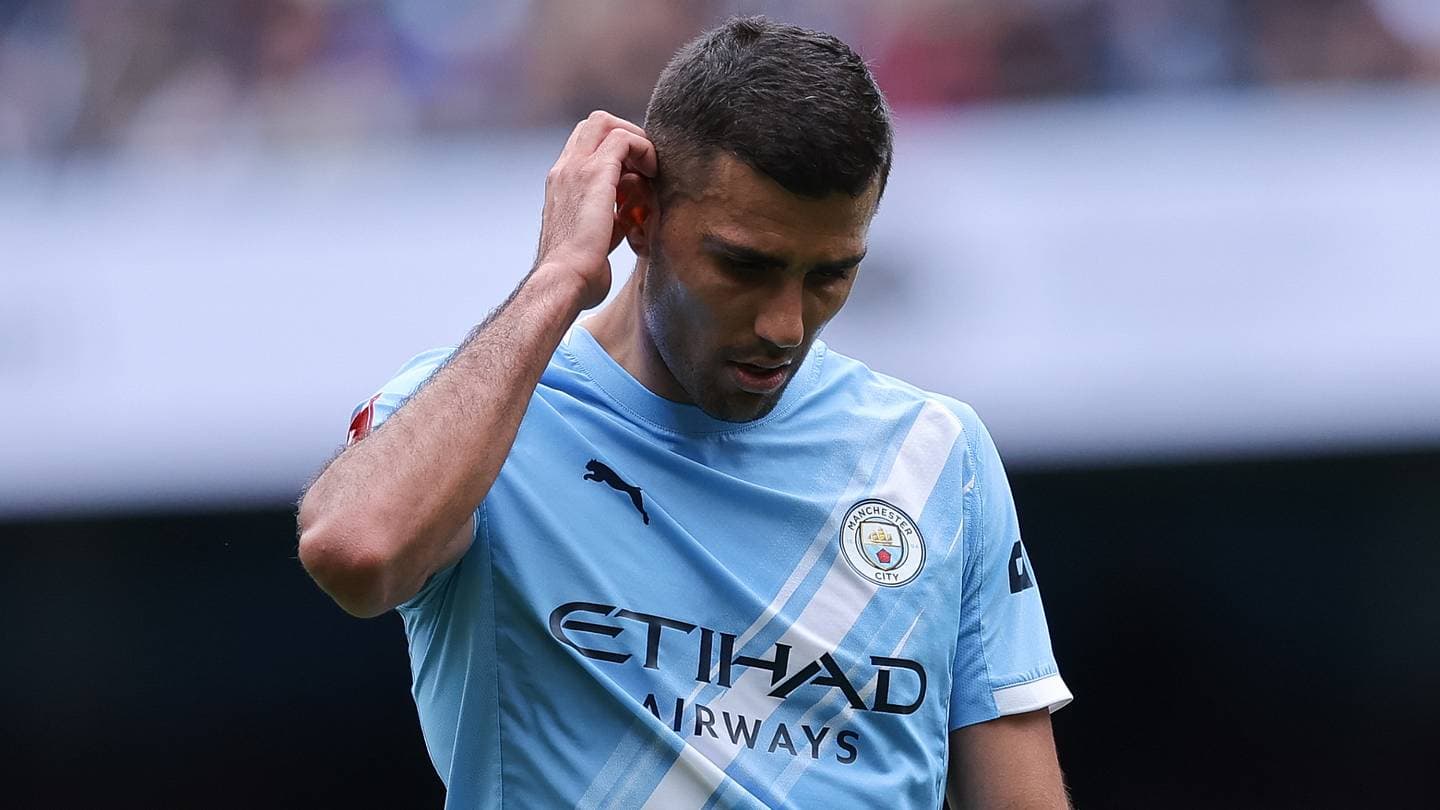
One piece of news cut through the chaos and soothed English nerves. Declan Rice is expected to be fit.
The 27-year-old midfielder, who has been managing nerve pain in his back throughout the tournament, limped off late in the win over DR Congo and immediately became a doubt for Mexico. Tuchel moved quickly to calm fears, insisting Rice “does not have any injury” and should be ready for Sunday at the Azteca.
For England, that matters as much as any tactical tweak. Rice anchors their structure, screens a defence already under scrutiny and offers a measure of control in a tournament where control has often eluded them. Remove him from the base of midfield and Tuchel’s side would walk into the Azteca storm with their coat unbuttoned.
Inside the camp, Rice’s presence is treated as a significant boost. Outside it, attention is fixed on how England cope with conditions and with a Mexico team that has fed off home energy and altitude all tournament.
Anthony Gordon: living with a phenomenon
If Kane is carrying the scoring burden, he is also setting the standard in training. Anthony Gordon, still relatively new to this stage, sounded almost awestruck describing life alongside England’s captain.
“As soon as he hit (the second goal), I knew it was going in,” Gordon said. “I was already celebrating.”
What struck him most was not the spectacular finish, but the relentlessness behind it. “Anyone can score a good goal,” he pointed out. Kane does it every day. Every session. Every game.
Gordon called him “phenomenal”, describing a player operating at a level “only ever been beaten by Lionel Messi, the greatest footballer of all time”. The young forward talked about watching Kane’s habits, his intensity in every finishing drill, his refusal to “mess about”.
For a squad still trying to find its collective rhythm, Kane’s example is the benchmark. The question is whether England can match his standards as a team, not just ride his moments.
Azteca ghosts and Mexico’s fury
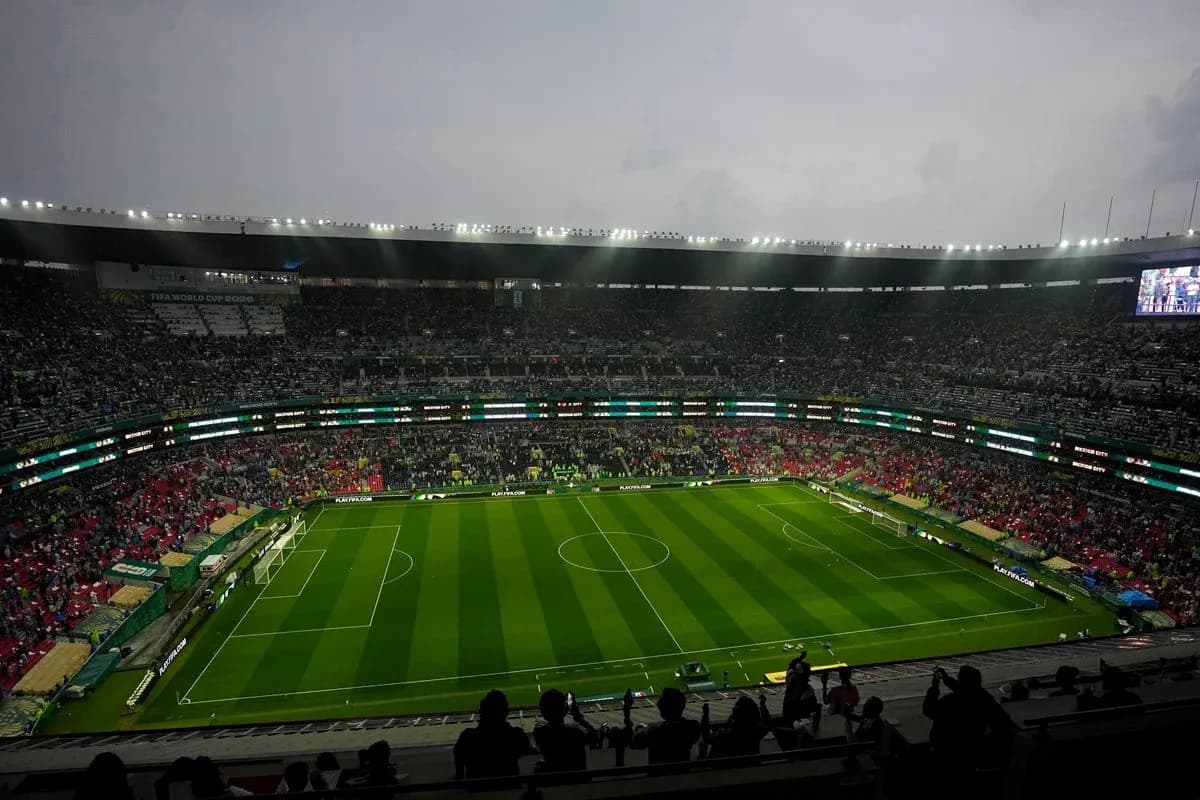
The setting adds its own weight. The Estadio Azteca is more than a stadium; it is football’s myth machine.
This is where Diego Maradona scored the “Hand of God” and then, minutes later, perhaps the greatest goal the game has seen. It is where altitude bites, lungs burn and visiting sides often shrink under the noise.
Mexico manager Javier Aguirre has spent the build-up battling Fifa as much as plotting for England. He is “quite angry” at the proposed kick-off change, which he feels has toyed with his players’ routines and with a nation’s plans.
Initial reports that the game could be moved from 6pm local time to a midday start, to dodge potential storms, had prompted outrage. Aguirre also rejected any notion that Mexico’s players would be better equipped than England to handle the altitude, insisting there would be no special advantage.
The row over scheduling has simply added another layer of volatility to a tie already loaded with context: co-hosts on home soil, England chasing a statement performance, and a global audience drawn to one of the World Cup’s most iconic arenas.
A nation up past midnight
Back home, the country is preparing for a sleepless night.
Prime Minister Keir Starmer has confirmed pubs across England and Wales will be allowed to stay open until 5am for the Mexico game, stretching licensing rules beyond the already-extended 2am window granted for previous fixtures.
“Football might be coming home but we’re making sure fans don’t have to,” he said. “Pubs staying open till the final whistle is good news for supporters and good news for the pubs and venues that bring our communities together. The whole country will be backing the team. Come on England!”
The last-16 place was earned in front of a huge audience. England’s win over DR Congo delivered the BBC’s biggest live numbers of 2026 so far, with a peak of 16.3 million watching Kane’s late winner on BBC One and BBC iPlayer. An average of 14 million tuned in across the match, making it the broadcaster’s most-watched moment of the year.
Now those viewers face a choice: bed early and rise late, or simply push through the night.
Schools, though, will not be closing their doors. Education Secretary Bridget Phillipson made it clear that, in her view, children can watch the 1am kick-off and still make it into class on Monday morning. “It’s a late game, but children can be in school the next day,” she said, stressing that it remains a decision for parents and will depend on the age of the child.
The message is firm: enjoy the football, but don’t expect a national day off.
Ticket frenzy and a rush on flights
For those determined to be there in person, the price of the dream has rocketed.
Tickets for Mexico v England on Fifa’s resale platform have soared to as much as $36,000 – roughly £27,300 – pushing the last‑16 tie towards the most expensive World Cup knockout territory ever. The lure of the Azteca, the presence of the co-hosts and England’s late drama have combined to create a perfect storm on the secondary market.
The scramble is not confined to match tickets. British Airways reported a staggering 2,000 per cent spike in searches for flights from London to Mexico City on Thursday, comparing traffic at 5pm with the levels at the final whistle in Atlanta. The biggest surge came in the final hour of the game, a 530 per cent jump between 6pm and 7pm, as Kane’s brace turned anxiety into belief and supporters began to dream of the Azteca.
Some will pay almost any price to be there. Others will gather in packed pubs and living rooms, eyes propped open in the small hours.
Altitude, hostility, and the test of a contender
On the training pitches and in the team hotel, England are trying to shut out the chaos. They are working on how to handle the altitude, how to manage the tempo, how to deal with a “boisterous” Mexican support that will not stop at the stadium gates.
There have even been plans to minimise the impact of noisy fans around the team’s base, with England wary of off‑pitch disruption as much as what awaits on the field.
The challenge is clear. Mexico have won every game so far. They are at home, in a stadium that amplifies both sound and pressure. The reception will be hostile, the air thin, the margins tight.
Kane wants his team to enjoy it. Tuchel needs them to survive it. England, as a football nation, demand something more: proof that this group can be more than a one-man show, that they can bend a World Cup to their will in the harshest of environments.
The kick-off time might have been tossed around like a toy. The test itself has not changed. Can England walk into the Azteca, through the noise and the altitude and the anger, and look like world champions in waiting?