El Clásico Preview: Barcelona vs Real Madrid Showdown
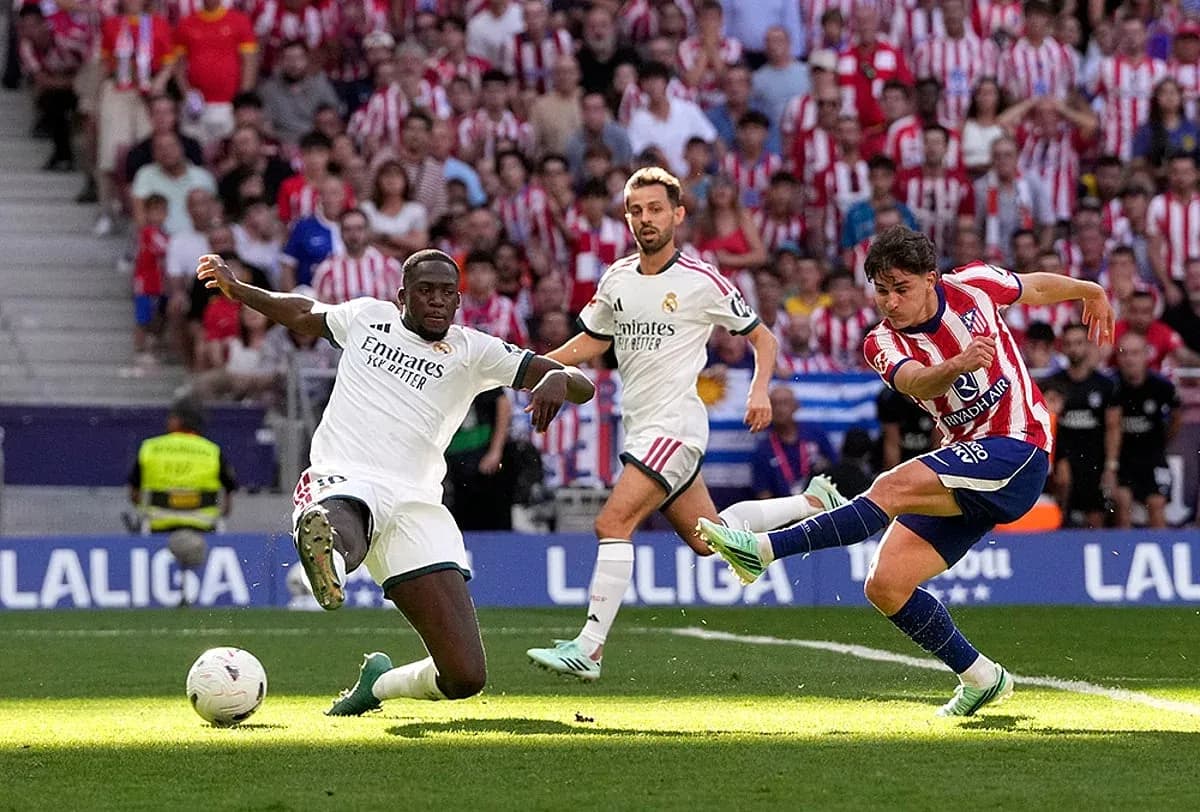
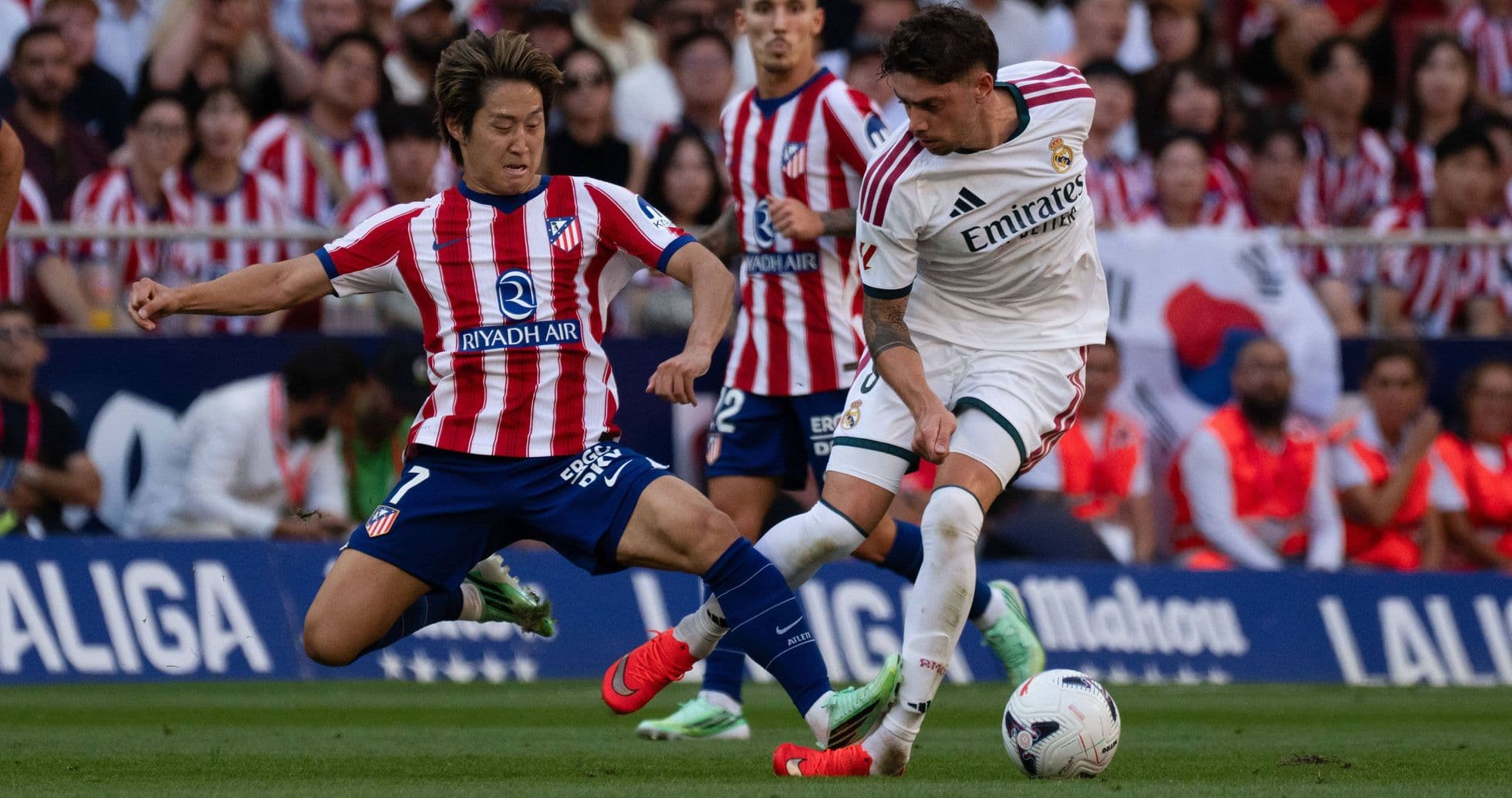
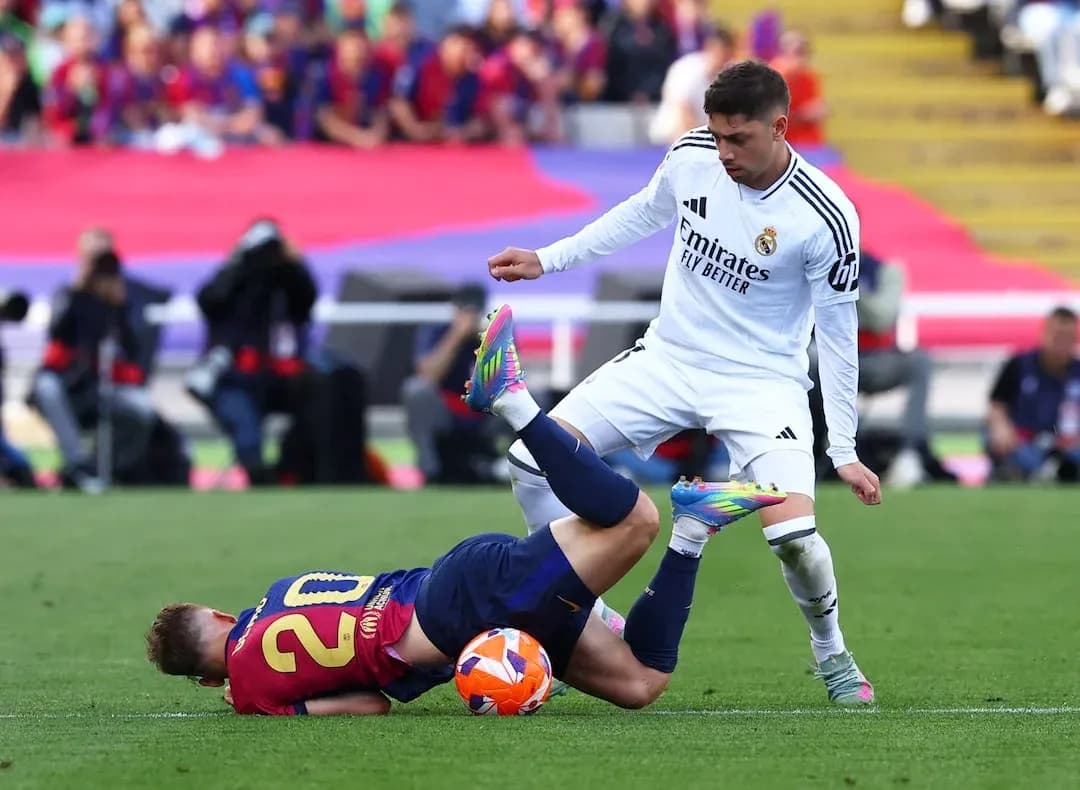
Camp Nou hosts another seismic chapter of El Clásico on 10 May 2026, with Barcelona and Real Madrid colliding deep into the La Liga run-in. The stakes are immense: Barcelona sit top of the table and on the brink of sealing the title, while second-placed Real Madrid arrive knowing this is their last realistic chance to drag the race back into doubt.
Context: Title race on the line
In the league, Barcelona lead the way with 88 points from 34 matches, 11 clear of Real Madrid on 77. The numbers are emphatic: Barcelona have 29 wins, just 1 draw and 4 defeats, with a goal difference of +58 (89 scored, 31 conceded). Real Madrid’s record is strong but not quite at that level: 24 wins, 5 draws, 5 defeats, +39 goal difference (70 scored, 31 conceded).
At Camp Nou, Barcelona have been flawless. Across all phases they have played 17 home league games and won all 17, scoring 52 and conceding only 9. Real Madrid’s away form is excellent – 10 wins, 4 draws, 3 defeats, 31 scored and 17 conceded – but they are stepping into the division’s toughest venue against its most dominant home side.
Form trends underline the contrast. In the league standings feed, Barcelona’s recent form reads “WWWWW”, while Real Madrid show “WDWDL”, a reminder of dropped points that have allowed the gap to open.
Tactical outlook: Barça’s fluid attack vs Madrid’s flexible structures
Across all phases, Barcelona’s season-long data paints them as an aggressive, high-possession, front-foot team. They average 2.6 goals per game overall, rising to 3.1 at home. They have failed to score in none of their 34 league matches, and have kept 14 clean sheets. Their preferred shapes – 4-2-3-1 (24 times) and 4-3-3 (10 times) – suggest a fluid attacking unit built on a clear structure.
Real Madrid are more tactically flexible. They have used seven different formations in La Liga: most often 4-4-2 (16 matches), then 4-2-3-1 (8), 4-3-3 (6), and a handful of three-at-the-back variants. They average 2.1 goals per game overall, with 1.8 away, and match Barcelona in defensive output with 31 conceded at 0.9 per game. Their 12 clean sheets (7 away) show they can manage games without the ball.
The tactical battle likely pivots on Barcelona’s ability to overload the half-spaces and wide areas against Real Madrid’s shape-shifting defensive block. A Barça 4-2-3-1 would allow them to pin Madrid’s full-backs and isolate centre-backs against dynamic forwards; a 4-3-3 would lean more on midfield control and wide 1v1s.
Madrid, in contrast, could opt for 4-4-2 to stabilise transitions and double up on Barcelona’s wingers, or 4-2-3-1 to mirror Barça’s structure and create a more open, chance-heavy contest. Given the title context and Barcelona’s home strength, Madrid may prioritise compactness early, looking to release their stars on the break.
Key players and attacking threats
The individual numbers point to an El Clásico loaded with attacking talent and end-product.
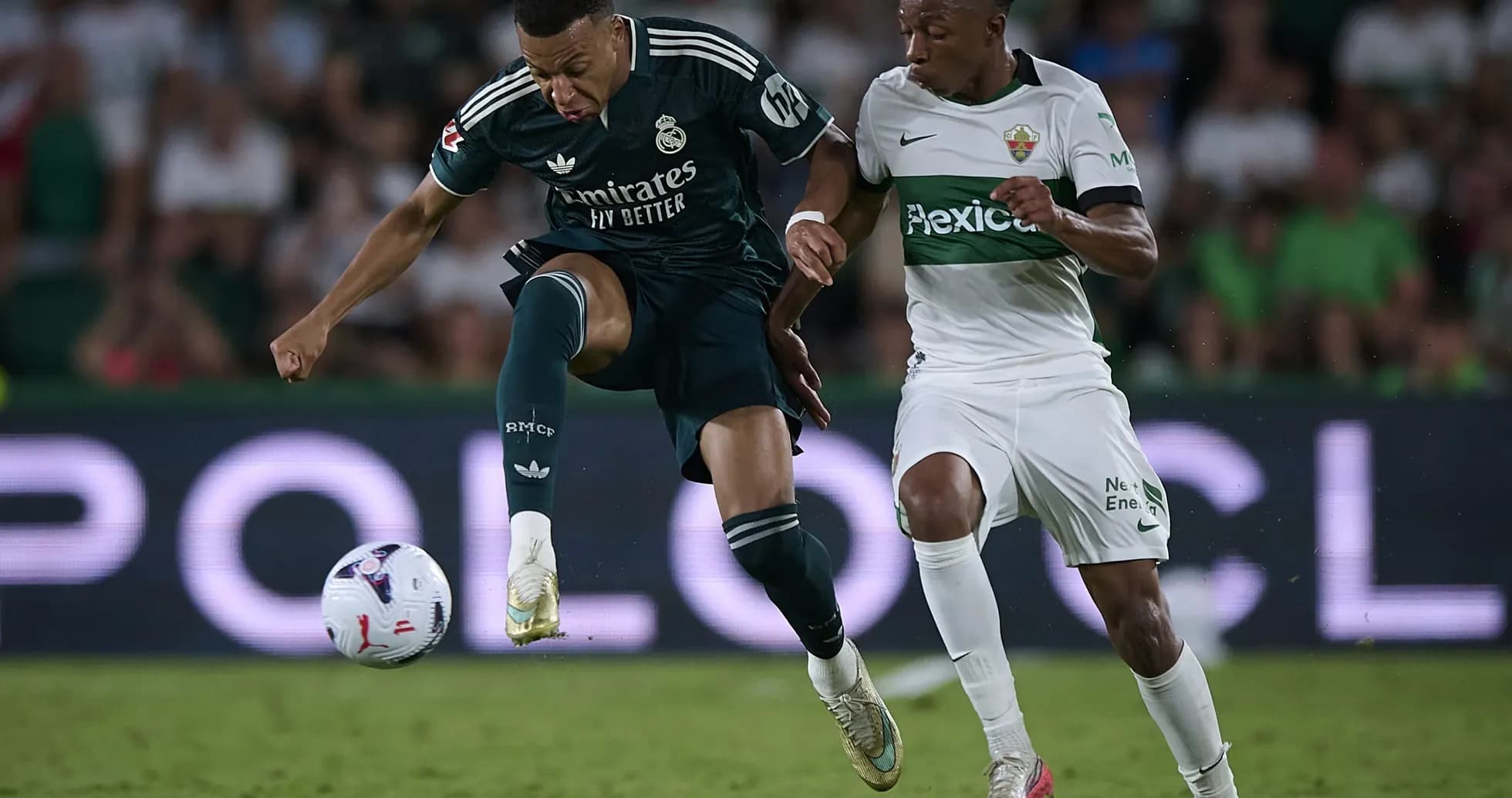
For Real Madrid, Kylian Mbappé is the headline figure. In La Liga 2025 he has 24 goals and 4 assists in 28 appearances, with a strong 7.6 rating. He has taken 100 shots (61 on target), underlining his volume and threat. His 140 dribble attempts with 76 successes, plus 63 key passes, make him both a finisher and creator. From the penalty spot, he has scored 8 and missed 1, so his record is strong but not flawless.
Alongside him, Vinícius Júnior has 15 goals and 5 assists from 33 appearances, rated 7.57. With 71 shots (44 on target), 186 dribble attempts (85 successful) and 65 key passes, he remains Madrid’s chaos agent on the left. He has scored 4 penalties and missed 1.
Barcelona’s attacking core is more distributed but no less dangerous. Lamine Yamal has been one of the league’s standout performers: 16 goals and 11 assists in 28 appearances, with a superb 7.95 rating. He combines volume and efficiency – 85 shots, 37 on target – with elite creativity (72 key passes) and relentless dribbling (244 attempts, 135 successful). He has scored 3 penalties and missed 1.
Ferran Torres adds a more direct, penalty-box profile: 15 goals in 30 appearances, with 54 shots (34 on target). His 21 key passes suggest he can also link play, but his main value is as a finisher attacking the box from wide or central positions.
Robert Lewandowski, even with fewer minutes (13 goals in 27 appearances, 14 starts), remains a penalty-area reference point. He has 45 shots, 27 on target, and can anchor attacks or arrive from the bench to change the dynamic. His penalty record this season is mixed, with 1 scored and 2 missed.
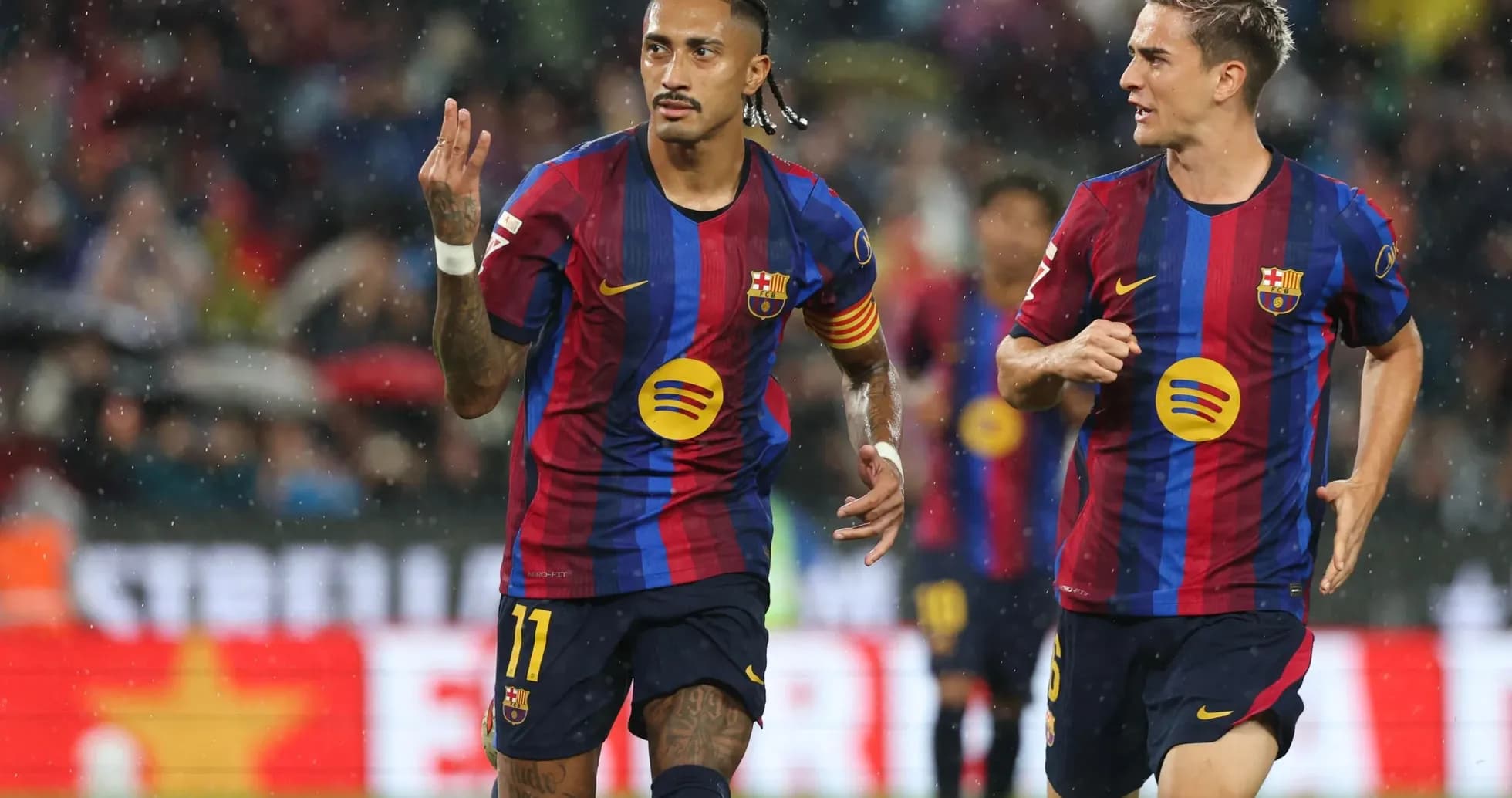
Raphinha offers yet another dimension: 11 goals and 3 assists in 20 appearances, with a 7.48 rating. His 41 key passes and 39 dribble attempts (20 successful) show a winger who can both beat his man and supply the final ball. He has converted 3 penalties without a miss this season.
With Barcelona averaging over three goals per home game and Real Madrid carrying Mbappé and Vinícius, the attacking data points firmly towards a high-chance encounter.
Head-to-head: Barcelona’s recent edge
The last five competitive meetings (no friendlies) show Barcelona with a clear recent advantage:
- 11 January 2026, Super Cup Final in Jeddah (King Abdullah Sports City): Barcelona 3-2 Real Madrid – Barcelona won.
- 26 October 2025, La Liga at Estadio Santiago Bernabéu: Real Madrid 2-1 Barcelona – Real Madrid won.
- 11 May 2025, La Liga at Estadi Olímpic Lluís Companys: Barcelona 4-3 Real Madrid – Barcelona won.
- 26 April 2025, Copa del Rey Final in Sevilla (Estadio Olímpico de Sevilla): Barcelona 3-2 Real Madrid after extra time – Barcelona won.
- 12 January 2025, Super Cup Final in Jeddah (King Abdullah Sports City): Real Madrid 2-5 Barcelona – Barcelona won.
Across these five matches, Barcelona have 4 wins, Real Madrid 1, and there have been 0 draws. Every one of those games produced at least five goals, underlining how explosive this fixture has been in recent seasons.
Set-pieces and discipline
From the spot, both teams have been efficient at team level across all phases. Barcelona have taken 7 league penalties and scored all 7. Real Madrid have taken 12 and scored 12. At individual level, however, there have been misses for Mbappé, Vinícius and Lewandowski, so neither side is entirely immune to pressure moments.
Discipline could matter in a high-stakes Clásico. Barcelona’s yellow-card distribution is spread across the 90 minutes, with a notable cluster between 46-60 minutes (15 yellows) and late on (11 between 76-90, 9 in 91-105). Real Madrid show spikes between 61-75 (15 yellows) and again late in games. Both sides have had red cards, particularly in added time, hinting at how emotionally charged finishes can become.
The verdict
All the data points to a heavyweight, attacking El Clásico with title implications. Barcelona are perfect at home in the league, scoring freely and conceding very little, and they have dominated the recent head-to-head record with 4 wins from the last 5 competitive meetings. Their array of in-form attackers – Lamine Yamal, Ferran Torres, Raphinha and Lewandowski – is supported by a structure that reliably creates chances and keeps clean sheets at Camp Nou.
Real Madrid, however, bring the individual firepower of Kylian Mbappé and Vinícius Júnior, plus a tactical flexibility that could allow them to adjust in-game. Their away record is strong enough to suggest they will not be overawed, and they have already beaten Barcelona in La Liga this season at the Bernabéu.
On balance, Barcelona’s perfect home league record and their recent superiority in direct clashes make them slight favourites, but the attacking talent on both sides and the scorelines of recent meetings suggest another high-scoring, finely poised El Clásico rather than a controlled, low-margin affair.