Egypt Falls to Argentina in World Cup Heartbreak
In Los Angeles, a World Cup epic ended not with celebration, but with fury. Egypt had Argentina on the ropes, 2-0 up and within touching distance of a first-ever quarter-final. Ninety breathless minutes later, they were out — and Hossam Hassan was raging.
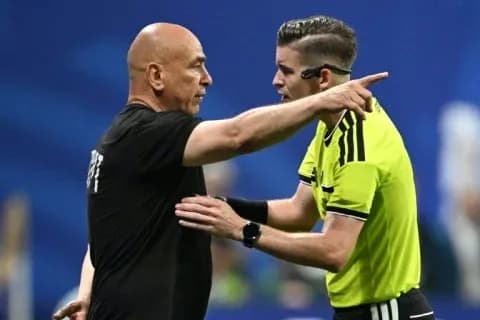
“We have been cheated unfairly today, we have suffered injustice,” the Egypt coach snapped in a blistering press conference, refusing to dress up his anger as mere bad luck.
Argentina, the defending champions, escaped with a 3-2 win after a frantic late turnaround, but the scoreline tells only part of the story. The rest is wrapped in VAR calls, missed chances, and a sense of grievance that Hassan insists runs far deeper than one match.
Egypt’s dream, and a disallowed lifeline
The Pharaohs struck first. Yasser Ibrahim rose to meet a cross and powered his header in, a goal that stunned a crowd expecting another routine step forward for Lionel Messi and company.
Then came the first flashpoint.
With Egypt already 1-0 up, Mostafa Zico thought he had doubled the lead. He wheeled away in celebration, his teammates piling in, the bench erupting. Moments later, VAR intervened. The goal was ruled out for a foul on Lisandro Martínez much earlier in the move.
For Hassan, it was the beginning of the unraveling.
“A second goal was remarkably disallowed,” he said, still incredulous. “There has not even been a VAR check when we have all seen the image of the (shirt) being pulled back.”
Zico did eventually get his moment, striking again to give Egypt a 2-0 lead and put them on the brink of history. Argentina looked rattled. The world champions were staring at the exit.
The pressure, though, was only just beginning to build.
Messi’s miss, then the champions bite back
Argentina’s route back into the match appeared when they won a penalty after a trip on Nicolás Tagliafico. Messi, the eight-time Ballon d’Or winner, stepped up with the weight of a nation — and a tournament — on his shoulders.
Mostafa Shobeir guessed right and saved.
Messi’s curious World Cup relationship with penalties darkened again: he has now failed to score four of his eight non-shootout spot-kicks at the tournament, including two at this edition alone. For a moment, it felt like Egypt’s night.
It didn’t last.
Cristian Romero clawed one back, slicing the deficit and igniting Argentina’s belief. The momentum shifted. Egypt, who had defended with discipline and heart, suddenly found waves of pressure breaking over them.
Then Messi struck. This time there was no hesitation, no doubt. He smashed in the equaliser — his eighth goal of the tournament — and the stadium shook. From 2-0 down to level, Argentina were surging. Egypt were hanging on.
The decisive blow and a furious reaction
The winner, when it came, only deepened the controversy.
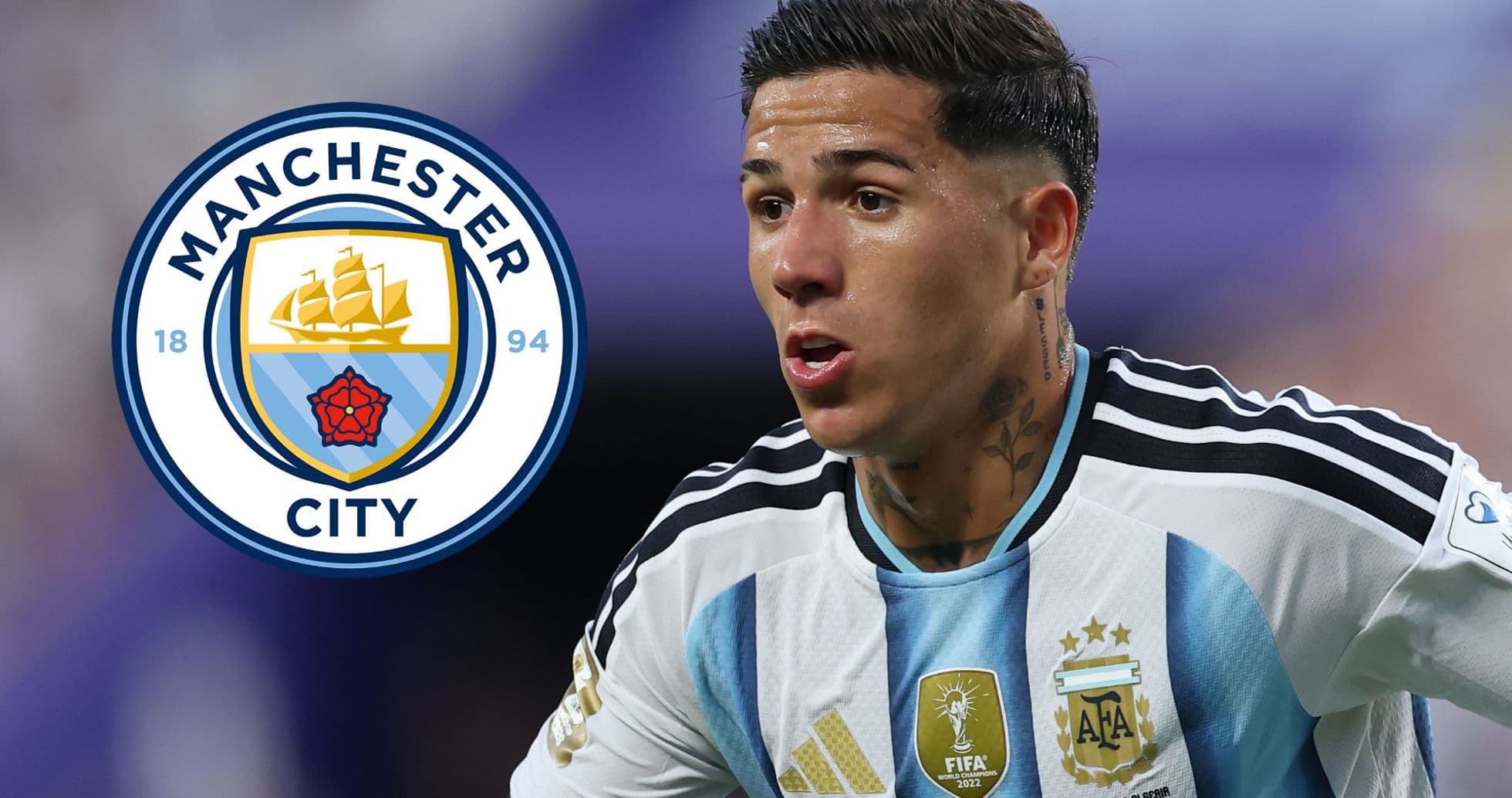
Enzo Fernández finished off a sweeping move to make it 3-2, completing a comeback that will be replayed for years in Argentina. On the Egyptian side, the same clips will be watched with a very different emotion.
In the build-up to that goal, Egypt insist they should have had a penalty of their own. Hamdy Fathy’s shirt appeared to be pulled by Alexis Mac Allister, but play continued. No whistle. No on-field review.
“A penalty was ruled out, was not even checked by VAR,” Hassan fumed. “We haven’t seen respect or fair play. There has not been respect or fair play.”
The sense of injustice ran so deep that Hassan went beyond the match itself, hinting at larger forces at play.
“Perhaps they wanted to keep the world champions in the competition. Perhaps they wanted Messi to stay in the running,” he told BeIn Sports. “In football, there are sometimes external factors that go beyond the technical aspects. The world champions received support at every level.”
For Egypt, this was not just a defeat. It was a conviction that the scales had been tipped.
Anger at the schedule, and a vow of protest
Hassan’s frustration was not limited to the officiating. He turned his fire on the scheduling as well, furious that the match kicked off at noon local time (1600 GMT), just four days after both teams had played their round of 32 ties.
“Whoever schedules those matches has never played football,” he said. “You never schedule a game for 12pm. At noon you go for a walk or to eat brunch, you do not go to play football.
“When are the players supposed to eat? At 7.30am?
“There have been a lot of things to be questioned on and off the pitch.”
He went so far as to declare that he would boycott the rest of the tournament as his own form of protest.
“I am not going to continue following the matches of this World Cup, watching the matches of this World Cup,” he said. “This is my own way of speaking up.”
Egypt leave with nothing tangible to show for a performance that had the world champions reeling, but they exit having forced the tournament to confront uncomfortable questions. Argentina march on, still alive, still driven by Messi.
The Pharaohs, meanwhile, are left with a haunting thought: how close were they to rewriting their footballing history before it all slipped, and was taken, away?