Egypt Advances to World Cup Last 16 After Penalty Shootout
Hossam Abdelmaguid walked alone from the halfway line, 70,000 people on their feet and a nation holding its breath. One kick, a teenager staring him down, a place in history on the line.
He didn’t blink.
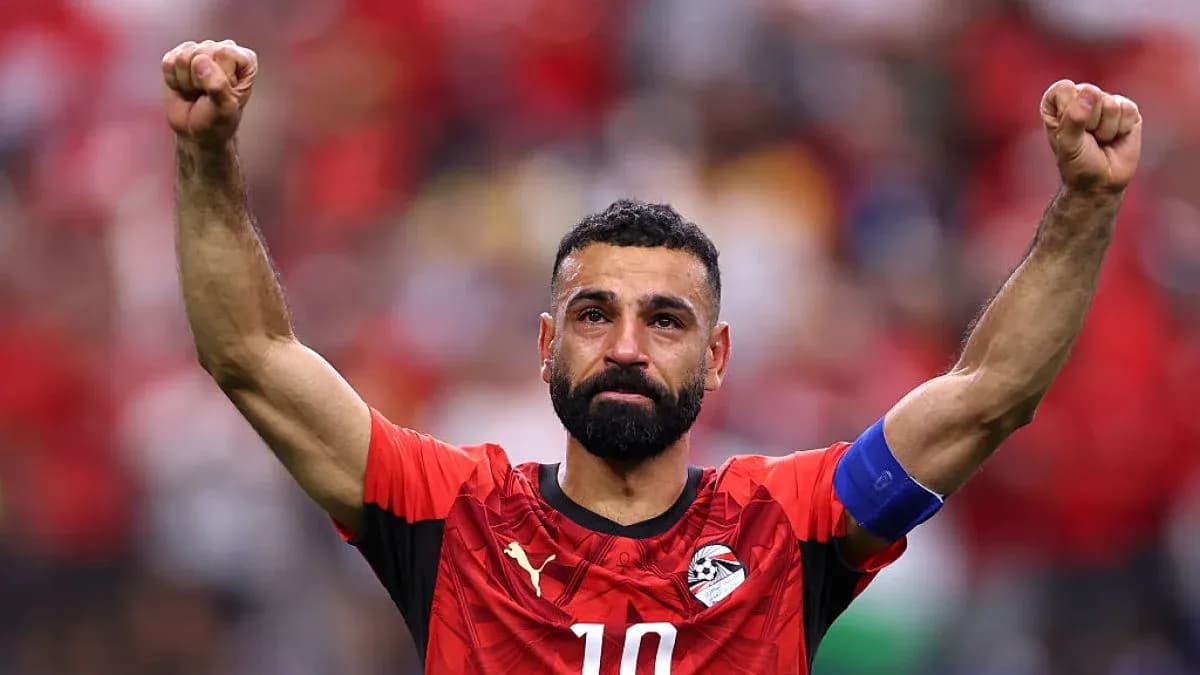
Abdelmaguid buried the decisive penalty to seal a 4-2 shootout win over Australia in Texas, sending Egypt into the World Cup last 16 for the first time and leaving Mohamed Salah in tears of joy. The Pharaohs, who had never before won a knockout match at a men’s World Cup, now stand on the brink of a date with Lionel Messi’s Argentina in Atlanta.
If the reigning champions avoid a shock against Cape Verde, Egypt will walk straight into the world champions’ path with the taste of history still fresh.
Egypt hold their nerve as Australia crack
Australia coach Tony Popovic played his big card just before the shootout, hauling on veteran goalkeeper Mathew Ryan in a late gamble designed for exactly this moment. It backfired almost immediately.
Shooting towards a wall of Egypt fans, with whistles pouring down from the stands, Harry Souttar strode up first for the Socceroos and smashed his penalty over the bar. From that moment, Australia were chasing shadows.
Every kick that followed felt heavier. Salah, subdued for most of the night and still feeling the effects of a hamstring strain, stepped up and rolled in his penalty with icy calm. The next four takers converted, tension tightening with every strike, until 18-year-old defender Lucas Herrington rattled the crossbar and opened the door.
Abdelmaguid walked through it. One clean strike, one eruption of noise, one continent celebrating.
A night heavy with history
The drama of the shootout capped a long, nervous evening that finished 1-1 after 120 fraught minutes. Both sides knew what was at stake: neither Egypt nor Australia had ever won a World Cup knockout tie. That shared weight showed.
Egypt struck first, and early. After a shaky opening in which Cristian Volpato clipped the top of the bar with a warning shot inside five minutes, Hossam Hassan’s team settled and struck with ruthless simplicity.
Karim Hafez swung in a teasing cross to the back post, and Emam Ashour, ghosting free after Nestory Irankunda lost him, powered a header in after 13 minutes. It was Ashour’s second goal of the tournament and it flipped the script.
Australia, who had scored only twice in the group stage, suddenly had to chase the game in the vast, air-conditioned home of the Dallas Cowboys. Egypt, who claimed their first ever World Cup win in the group phase by beating New Zealand 3-1, looked oddly jittery at the back but carried the lead and the noise of their fans.
Salah struggles as Australia strike back
This was supposed to be Salah’s stage. Instead, the 34-year-old, still managing that hamstring issue from Egypt’s last game, laboured through a bruising first half. He saw little of the ball, rarely found space, and watched on as the contest became exactly what Egypt’s coach had feared: physical, attritional, scrappy.
The tone was set just before the interval. Jordan Bos, one of the quickest players in the tournament, ended the half in a heap after a flying challenge from Rabia. Bos could not continue and Kai Trewin replaced him at the break, a blow to Australia’s attacking thrust down the flank.
Egypt should have killed the tie seconds after the restart. Omar Marmoush, the Manchester City attacker, slid a close-range effort wide when it looked easier to score. That miss hung over the game.
The punishment came soon enough.
Under heavy pressure from an in-swinging Australian free-kick, Mohamed Hany misjudged his header and diverted the ball into his own net 10 minutes after half-time. It was his second own goal of the tournament, and it dragged Australia level, their belief suddenly restored.
From there, the game tightened. Tackles flew in, nerves frayed, and with both teams sensing the enormity of the moment, chances dried up.
Extra time, rising tension, same outcome
Egypt finished the 90 minutes on top. Salah finally found pockets of influence, linking play as the Socceroos tired. Deep into added time, he helped engineer one last opening, only for Patrick Beach to spring to his right and beat away Ramy’s effort with a superb save that kept Australia alive.
Extra time brought more Egyptian pressure and one big chance for their captain. Salah, on his weaker right foot, lashed over from a promising position early in the additional 30 minutes. By then, penalties felt less like a possibility and more like destiny.
Neither side could find a way through. Bodies cramped, passes slowed, and both benches looked resigned to the lottery to come.
For Egypt, it turned out to be no lottery at all. It was composure, clarity, and a moment of cold-blooded finishing from a defender whose name will now live long in Egyptian football folklore.
Argentina – or something bigger – awaits
When Abdelmaguid’s kick hit the net, Salah dropped to his knees, overwhelmed. Seven-time African champions, but never before a force in the World Cup’s knockout rounds, Egypt had finally broken through.
Next comes Atlanta, and a clash with either the reigning world champions or the story of the tournament in Cape Verde. One is a footballing superpower led by Messi. The other is a fearless debutant with nothing to lose.
Egypt arrive with a different kind of power now: the knowledge that when it came down to the tightest of margins, they did not flinch.