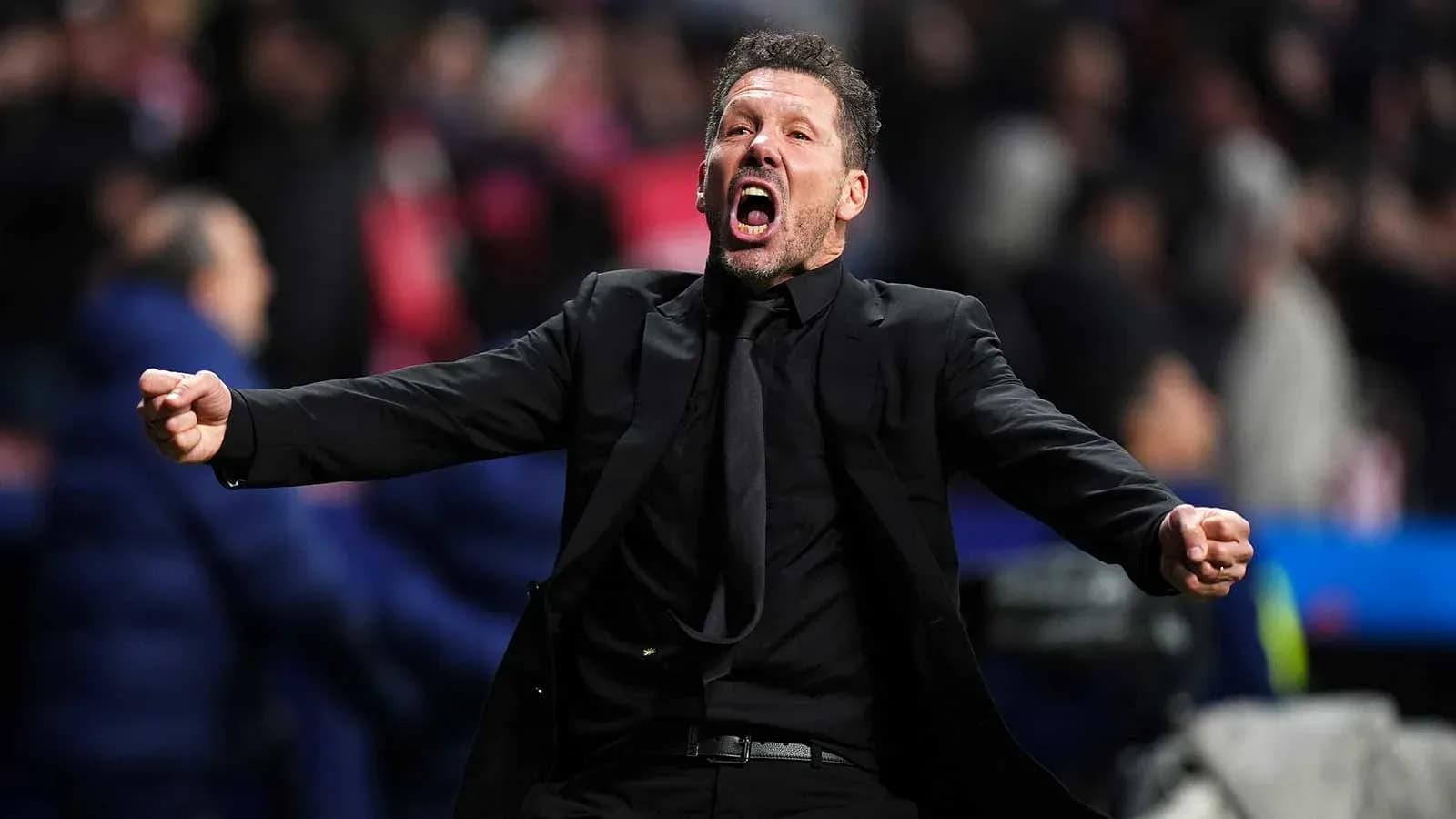
Diego Simeone Reflects on 15 Years with Atlético Madrid
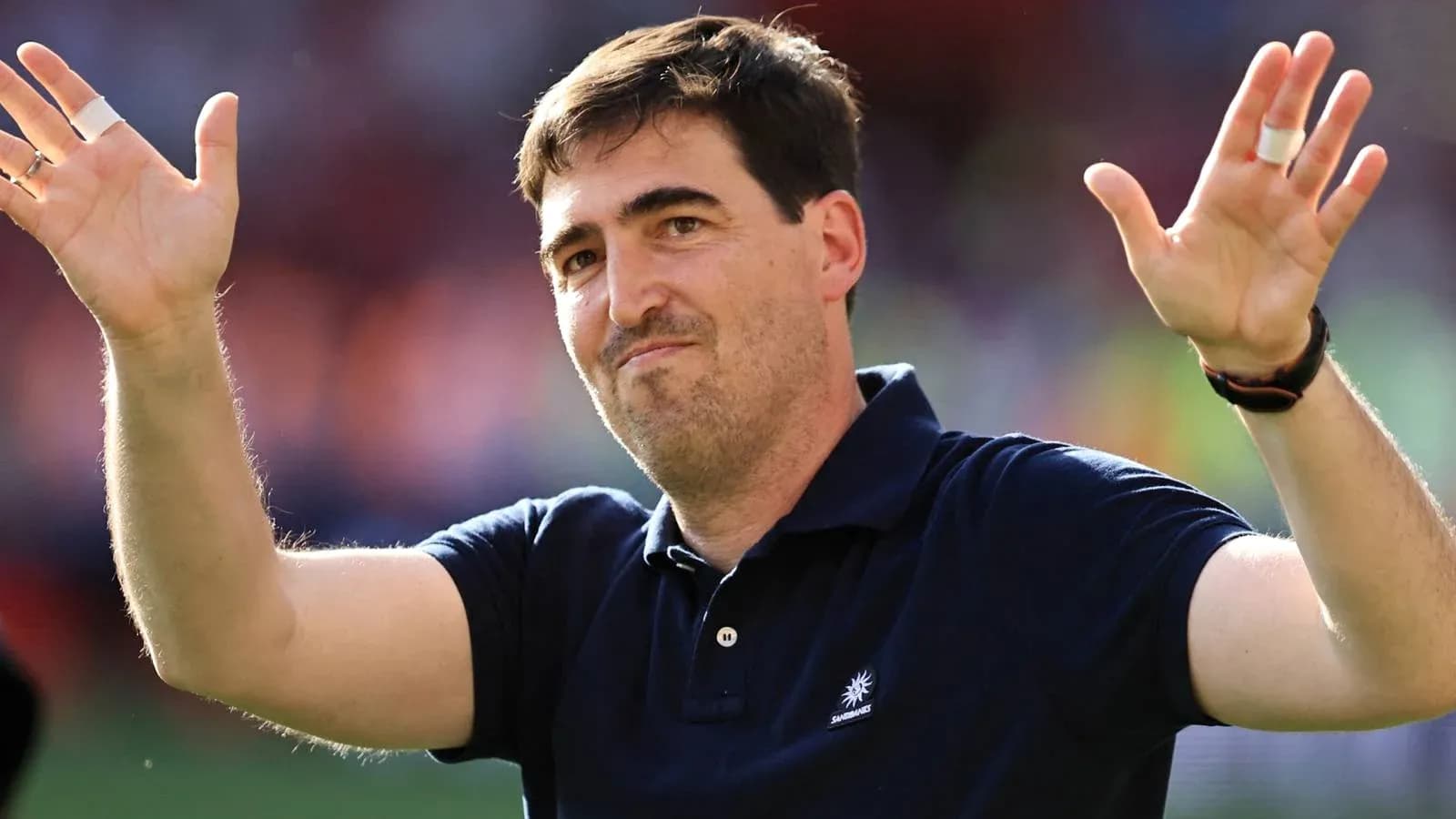
Diego Simeone feels the weight of his own empire. After 15 years in charge of Atlético Madrid, the man who turned suffering into a brand now admits the burden has doubled, the joy has thinned, and winning no longer tastes the same.
Once, it was pleasure. Now, it is relief.
“Winning was a pleasure… today it is merely a relief”
Simeone did not hide behind clichés. In a candid interview, the Argentine coach laid bare the emotional toll of a reign that has dragged Atlético out of their old skin and into a new, unforgiving light.
“All this weight I feel now after 15 years, I did not feel it in the first three or four seasons,” he said. Back then, he was “free and at ease,” and every victory felt like a celebration. Today, it feels like an obligation met just in time.
“We are suffering because we have taken the club to a place where we have become more exposed and under enormous pressure.”
This is the paradox Simeone lives with: the more he has elevated Atlético, the less margin for error he has left himself. The club that once chased miracles now lives under a microscope.
Style debates and a pointed jab at the purists
The eternal argument around his style of play followed him into the conversation. Simeone, often painted as the patron saint of pragmatism, pushed back with a simple truth: every coach wants the same thing — to win.
Then came the sting.
Could the attacking purists keep their swashbuckling football if they were managing different clubs, with different resources, without conceding more goals? The question hung in the air, half-rhetorical, half-accusation.
It was classic “El Cholo”: defensive of his work, defiant toward those who romanticise what he sees as risk without responsibility.
Life in Spain’s harshest reality
Simeone’s honesty sharpened when the conversation moved to La Liga’s brutal hierarchy. Competing with Real Madrid and Barcelona, he stressed, is not a fair fight.
Atlético, he said, must be at their absolute peak to win games. Their rivals? Not so much.
“One goal is enough for them to win, because Mbappé or Lamine Yamal might appear suddenly and score,” he pointed out. For Atlético, even maximum effort is no guarantee.
“For us, giving our maximum effort is not enough to win, because Barcelona and Real Madrid are rarely below their level at the same time.”
That is the reality he works in: two superclubs with individual brilliance that can flip a game in a moment, and a third force that has to grind, suffer, and claw for every inch.
Silence on Julián Álvarez, focus on the collective
When the topic shifted to Julián Álvarez and the noise around his situation and possible links to Barcelona, Simeone chose not to play along. He brushed aside any attempt to draw him into the debate, refusing to comment on his compatriot’s stance or future.
Álvarez may be one of the most prominent figures in the Atlético squad, but Simeone steered the discussion elsewhere: defensive structure, responsibility, the never-ending fight with Real Madrid and Barcelona.
That silence was not accidental. It felt like a calculated step back from a controversy that could easily engulf the dressing room: questions about Álvarez’s fit in the system, his role next season, even the spectre of a move to a direct rival. Simeone has survived this long by controlling the noise around his team. He was not about to add to it.
Rebuilding the wall
Looking ahead to the new season, Simeone offered reassurance to Atlético’s supporters. The club, he insisted, is working.
“The club is making relentless efforts, and there is still plenty of time until the first of September,” he said, placing his trust firmly in the boardroom. “I trust that the management of the Madrid club will provide me with the tools needed to compete, as it has always done.”
Then he got to the part that truly bothers him: the defence.
“I would like us to regain the defensive solidity we lost, because last season, especially in the Champions League, we produced a very poor defensive performance.”
For a coach whose identity has been built on compact lines, relentless pressing, and a backline that bends but does not break, those European performances cut deep.
Yet even in that criticism, he reminded everyone what Atlético still managed to do.
“We reached the semi-final, so imagine how we had to attack, something no one appreciates because we are Atlético Madrid.”
The implication was clear: Atlético are no longer just a team that sits deep and counterattacks. They have had to evolve, to take more risks, to carry more of the ball. And he wants others to recognise that shift, even as he calls on his midfielders to shoulder more of the scoring burden.
Griezmann, the genius who became family
For all the tactical talk, one of the most striking moments came when Simeone spoke about Antoine Griezmann. The hardened competitor softened.
“I'm very fortunate. We built a wonderful relationship, my daughters are friends with his children, I've had the chance to work with a genius, I feel deeply moved when I talk about him.”
There was no calculated edge there, no media game. Just a coach talking about a player who has become part of his footballing life and his personal one. In an era where relationships between stars and coaches often feel transactional, Simeone and Griezmann have created something that goes beyond the touchline.
Not chasing Wenger or Ferguson, chasing time
As questions linger about how long Simeone can keep this going, he made one thing clear: he is not obsessed with records.
He insisted his motivation is not to match the longevity of Arsène Wenger or Sir Alex Ferguson. For him, it comes down to energy and humility — the inner drive to keep turning up, to keep pushing a club that once drifted in the shadows of its neighbours.
His target is more specific, more Atlético.
He wants to shrink the gap between league titles. Before he arrived in 2011, Atlético had gone 18 years without lifting La Liga. Under his watch, that drought was cut to seven years between the 2014 and 2021 triumphs.
That is the clock he hears ticking now. Not the one counting his years in the job, but the one measuring how long Atlético can stay at the level he dragged them to — and how soon they can touch the summit again.